Implementing QRM with Conveyor Systems in the Benelux
Learn how to leverage modular conveyor systems to implement Quick Response Manufacturing (QRM) principles in your Benelux operations. This guide covers the essential technologies and strategies to slash lead times, reduce WIP, and gain a competitive edge in a high-mix, low-volume market.
In the competitive industrial landscape of the Benelux, manufacturers face a continuous challenge: how to deliver a high mix of customized products with short lead times without letting costs spiral out of control. The traditional lean approach, focused on waste reduction, often falls short. This is where Quick Response Manufacturing (QRM) offers a powerful, time-based alternative that, when combined with the right material handling technology, can transform an operation.
Definition
Quick Response Manufacturing (QRM) is an enterprise-wide strategy focused on relentlessly reducing lead time across all aspects of an operation, from the office to the shop floor. Unlike methodologies that prioritize cost or waste reduction, QRM posits that a singular focus on time will naturally drive down costs and eliminate waste as a positive side-effect.
The Core Principles of QRM in a Benelux Context
QRM is built on four intertwined principles. For businesses in the Netherlands, Belgium, and Luxembourg—often characterized by skilled labour, high quality standards, and complex supply chains—these principles offer a clear path to gaining a competitive advantage.
1. A Mindset Fixated on Time
The entire organization must shift its primary performance metric from cost to time, specifically lead time. Every decision, from quoting a new order to scheduling production, is evaluated based on its impact on the Manufacturing Critical-path Time (MCT). This metric calculates the calendar time from when a customer creates an order until the first piece of that order is delivered. In a region where on-time delivery is paramount, minimizing MCT is a direct route to higher customer satisfaction.
2. A Revolutionary Organizational Structure
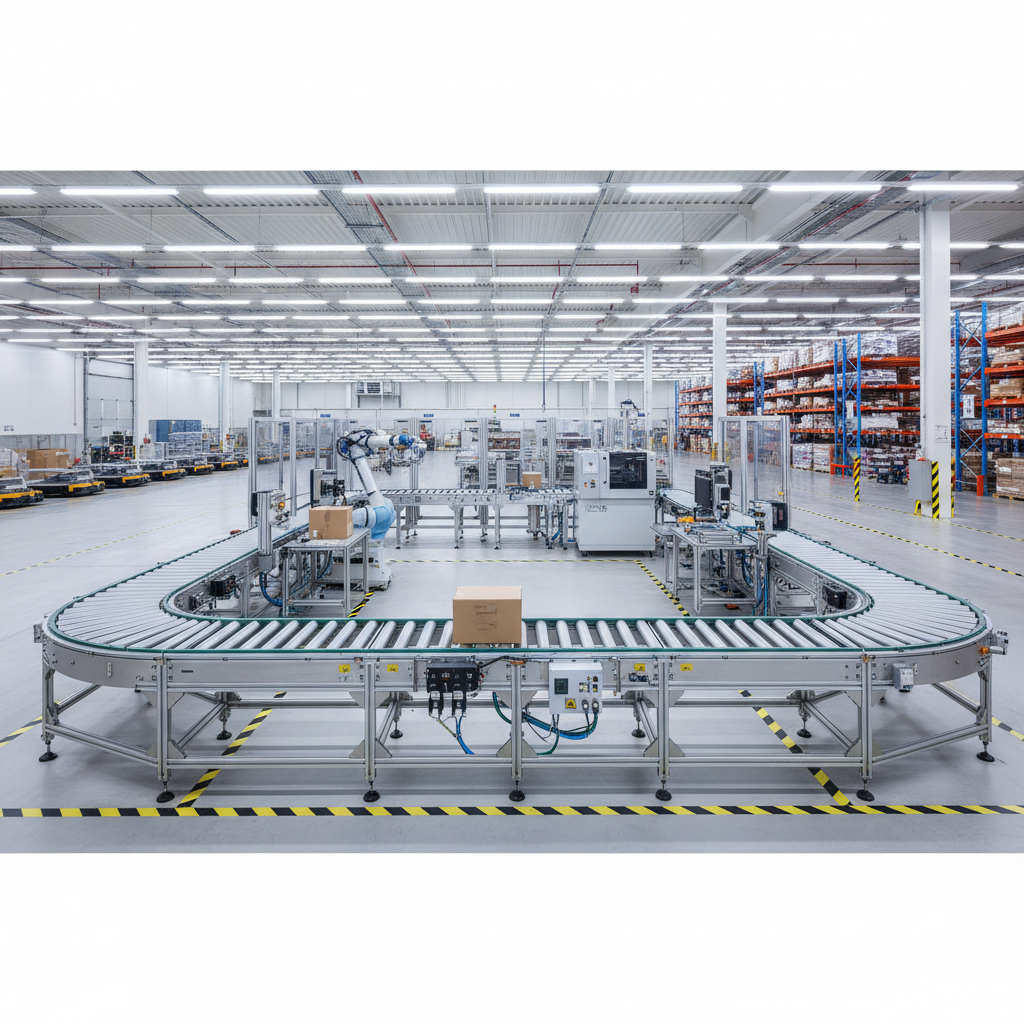
QRM dismantles traditional functional departments (e.g., welding, assembly, finishing) in favor of flexible, collocated, and multi-functional teams called QRM cells. A cell is dedicated to a specific Family of Target Market Segments (FTMS) and can perform 80-90% of the operations required to complete a job. This cellular structure minimizes the time products spend waiting in queues, which often accounts for over 85% of total lead time in traditional setups.
3. Understanding and Applying System Dynamics
A core insight of QRM is that keeping machines and people busy 100% of the time (high utilization) is counterproductive. High utilization creates queues and exponentially increases lead times. QRM advocates for planning around 75-85% capacity utilization. This planned spare capacity acts as a buffer, allowing the system to absorb variability in demand and processing times without creating crippling backlogs—a vital capability for the unpredictable Benelux market.
4. Enterprise-Wide Implementation
QRM is not just for the shop floor. The most significant lead time delays often occur in office operations like quoting, engineering, and procurement. By applying cellular concepts and time-based metrics to these administrative processes, companies can achieve dramatic reductions in their overall order fulfillment cycle.
Why Conveyor Systems Are Crucial for QRM Success
While the QRM philosophy is about organization and mindset, its physical implementation hinges on creating a responsive material flow. This is where modern conveyor systems become indispensable. They are the arteries that connect QRM cells, enabling a smooth, fast, and flexible flow of materials that is impossible to achieve with manual transport like forklifts or pallet jacks.
A smart conveyor network allows for:
- Decoupling of Processes: Small buffers on accumulation conveyors allow cells to work independently without being starved or blocked.
- Reduced Travel Time: Automated transport between cells is faster and more reliable than manual methods.
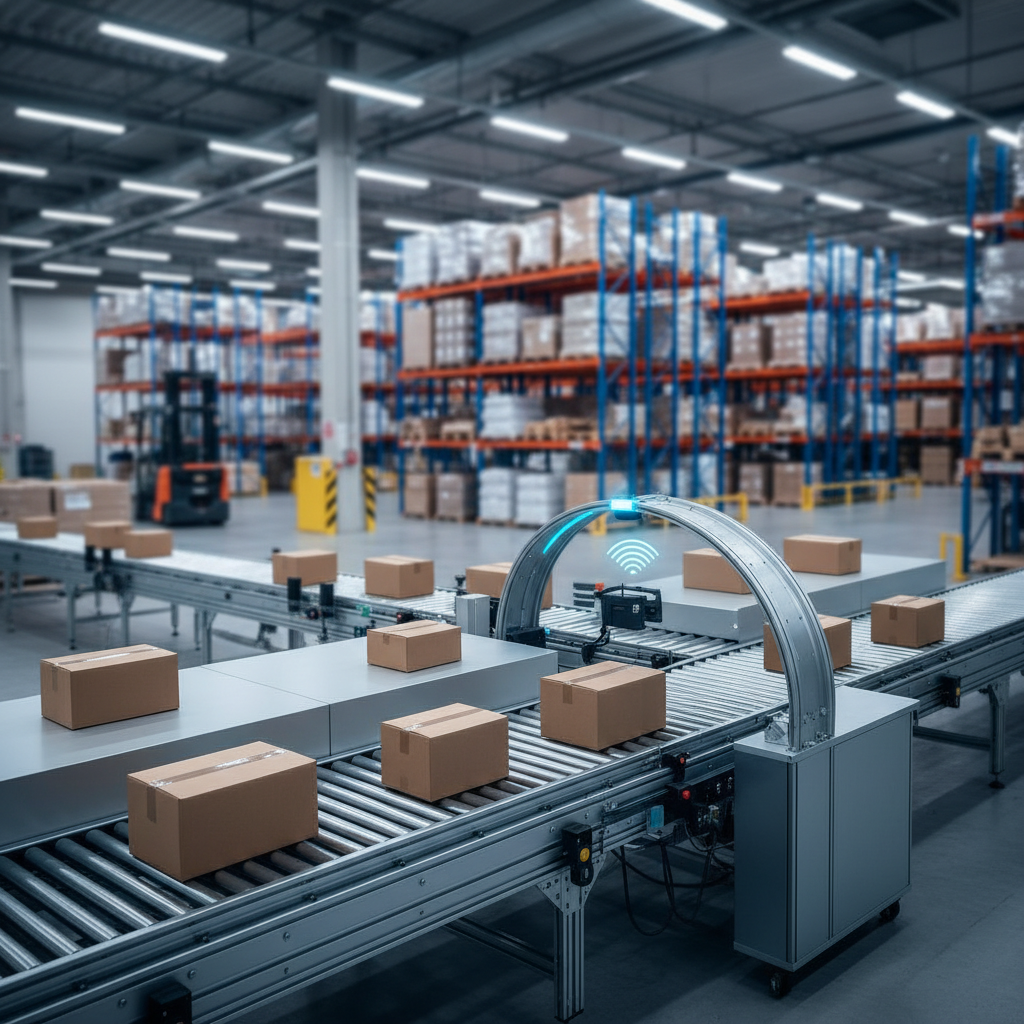
- Real-time Tracking: Products can be tracked as they move between cells, providing vital data for MCT calculations.
- Error-Proofing: Automated routing ensures that jobs always arrive at the correct next step in their sequence.
QRM Cells vs. Traditional Production Lines
The difference between a QRM-driven cellular layout and a traditional assembly line is stark. The table below highlights the key operational distinctions:
| Metric | Traditional Production Line | QRM Cell with Conveyors |
|---|---|---|
| Layout | Functional departments, long travel distances | Collocated, cross-functional teams in cells |
| Typical Lead Time | 150-250 hours | 20-40 hours |
| Batch Size | Large, to minimize setup costs | Small, often single-piece flow |
| Work-in-Progress (WIP) | High, measured in weeks | Low, measured in hours or single days |
| Flexibility | Low; difficult to introduce new products | High; designed for high-mix, low-volume |
| Operator Focus | Efficiency and machine utilization | Speed of flow and lead time reduction |
Key Conveyor Technologies for an Agile QRM Environment
To support the dynamic nature of QRM, not just any conveyor will do. The focus must be on modularity, intelligence, and flexibility.
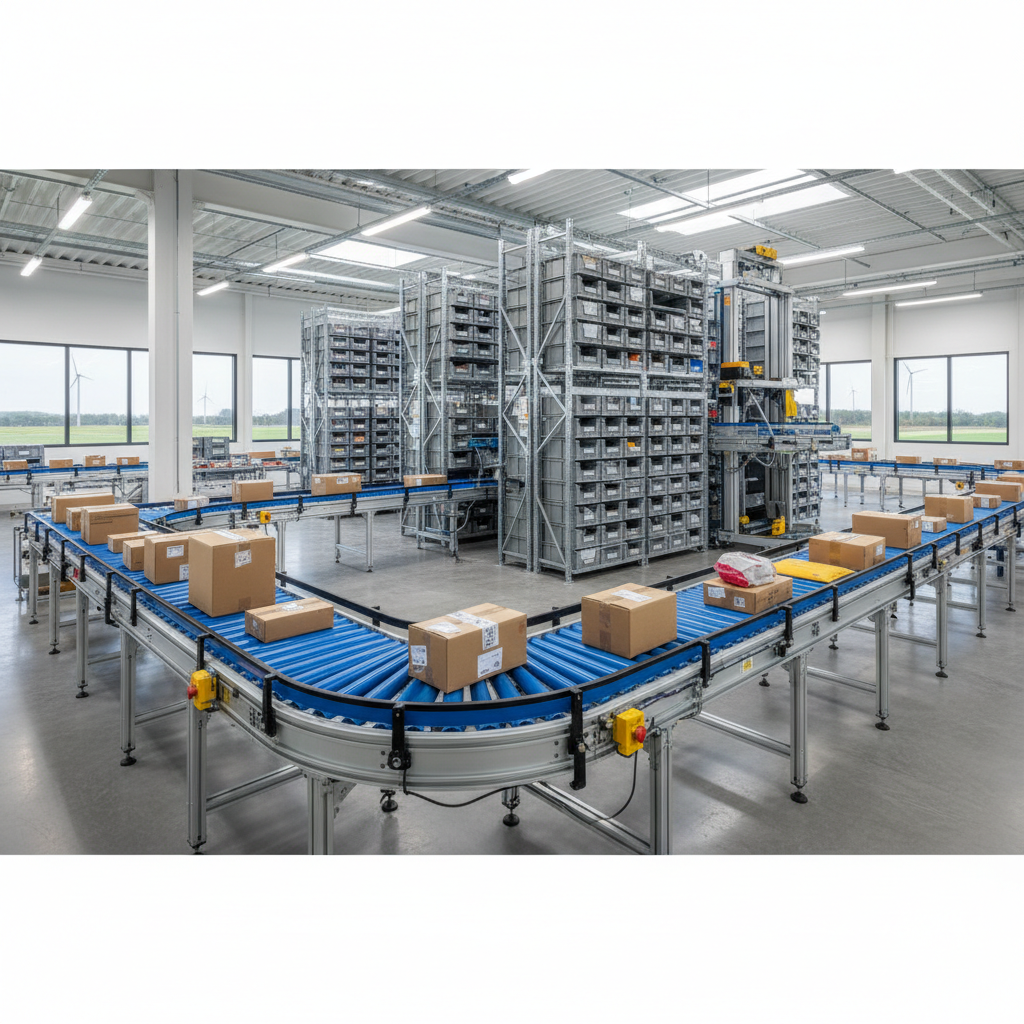
- Modular Roller Conveyor Systems: The backbone of a QRM layout. Modular designs allow for easy and fast reconfiguration of the material flow path as product mixes change or cells are redesigned. Sections can be added, removed, or repurposed with minimal downtime, often in a matter of hours.
- Motor Driven Roller (MDR) Technology: MDR, or run-on-demand conveyors, are exceptionally energy-efficient as they only operate when a product is present. More importantly for QRM, they enable powerful, intelligent control logic.
- Zero-Pressure Accumulation: Enabled by MDR technology, zero-pressure accumulation allows products to be buffered along the conveyor without any physical contact. This prevents product damage and, crucially, creates small, dynamic queues between QRM cells. This decouples the cells, allowing each to work at its own pace without being held up by downstream bottlenecks. This feature is fundamental to managing the variability inherent in a QRM system. For a deeper dive into how control systems manage this logic, our guide on WMS/WCS integration offers valuable insights.
Practical Example: QRM in a Belgian Mechatronics Plant
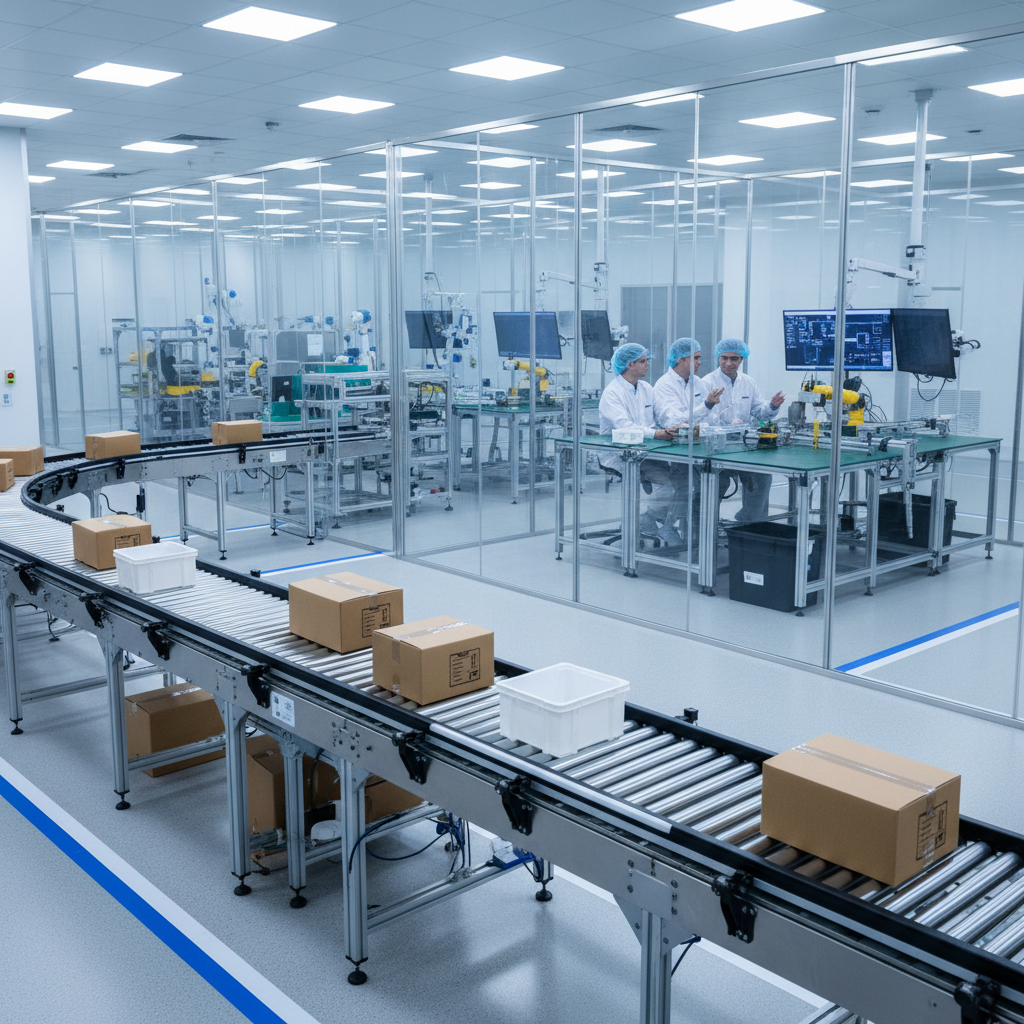
Consider a component supplier for the medical device industry in Belgium, facing pressure to deliver small batches (10-50 units) of highly customized mechatronic assemblies. Their original lead time was over 120 hours, with a Work-In-Progress (WIP) value exceeding €500,000. By restructuring into two QRM cells connected by a modular MDR conveyor system, they achieved a stunning transformation. The conveyor system automatically routed jobs between the electronics assembly cell and the final mechanical integration cell. The result: lead time dropped to just 16 hours, and WIP was reduced by 80% to under €100,000. This is a common story where companies grow, but their processes don't always keep pace, leading to inefficiencies that QRM directly addresses.
The Unifying Power of the Warehouse Control System (WCS)
The hardware is only half the story. The intelligence that makes the conveyor network truly effective for QRM comes from the Warehouse Control System (WCS). The WCS acts as the "traffic cop" for the shop floor, integrating with the company's ERP/MES to manage the flow of work. It instructs the conveyor system on where to route each specific job based on real-time conditions in the QRM cells. By tracking each unit's journey, the WCS provides invaluable data for monitoring MCT and identifying opportunities for further time reduction.
Easy Systems: Your Partner for QRM-Ready Conveyor Solutions
Successfully implementing Quick Response Manufacturing is a strategic decision that requires a partner who understands both the philosophy and the technology. At Easy Systems, we specialize in designing and deploying the modular, intelligent conveyor systems that form the backbone of a successful QRM strategy. Our deep experience in the Benelux market means we understand the local challenges of space, labor, and the need for high-mix agility. We don't just sell conveyors; we provide the flexible, scalable material handling infrastructure that enables your business to thrive on speed and responsiveness. From initial layout design to WCS integration and final commissioning, we partner with you to transform your production floor into a model of time-based efficiency.
'''
This article is part of the Conveyor-Design knowledge hub, edited by Easy Systems engineers who design conveyor and warehouse automation systems across the Benelux every week.
Frequently asked questions
What is the main difference between QRM and Lean Manufacturing?+
The main difference is their primary focus. Lean Manufacturing prioritizes the elimination of waste (muda) to reduce cost. Quick Response Manufacturing (QRM) prioritizes the relentless reduction of lead time, with the belief that lower costs and less waste are natural byproducts of a faster system.
Are conveyor systems necessary for QRM?+
While not strictly mandatory in theory, in any practical manufacturing environment of moderate complexity, conveyor systems are essential. They provide the fast, reliable, and automated transport between QRM cells needed to minimize queues and maintain a rapid flow, which is the core of the methodology.
What is a QRM cell?+
A QRM cell is a group of dedicated, collocated, and cross-trained people and machines. This mini-factory is responsible for completing a sequence of operations for a specific family of products, aiming to be as self-contained as possible to minimize dependencies and waiting time.
How does QRM handle customized, low-volume orders?+
QRM is specifically designed for high-mix, low-volume environments. By organizing production into flexible cells and focusing on lead time reduction rather than batch size optimization, it allows customized orders to flow quickly through the system without the long waits associated with traditional production lines.