Conveyor Data Analytics: Unlocking Warehouse Efficiency in Benelux
Harnessing real-time data from your conveyor systems offers a competitive edge, enabling proactive maintenance, optimized workflows, and significant cost savings for logistics hubs in Belgium, the Netherlands, and Luxembourg.
In the hyper-competitive logistics landscape of the Benelux—a crucial gateway to Europe—warehouse efficiency is not just a goal; it's a survival metric. While millions of euros are invested in conveyor hardware, many operators overlook the goldmine of data these systems generate every second. Harnessing this data through targeted analytics is the key to unlocking hidden efficiencies, moving from a reactive "fix-it-when-it-breaks" model to a proactive, predictive, and optimized operation.
Definition
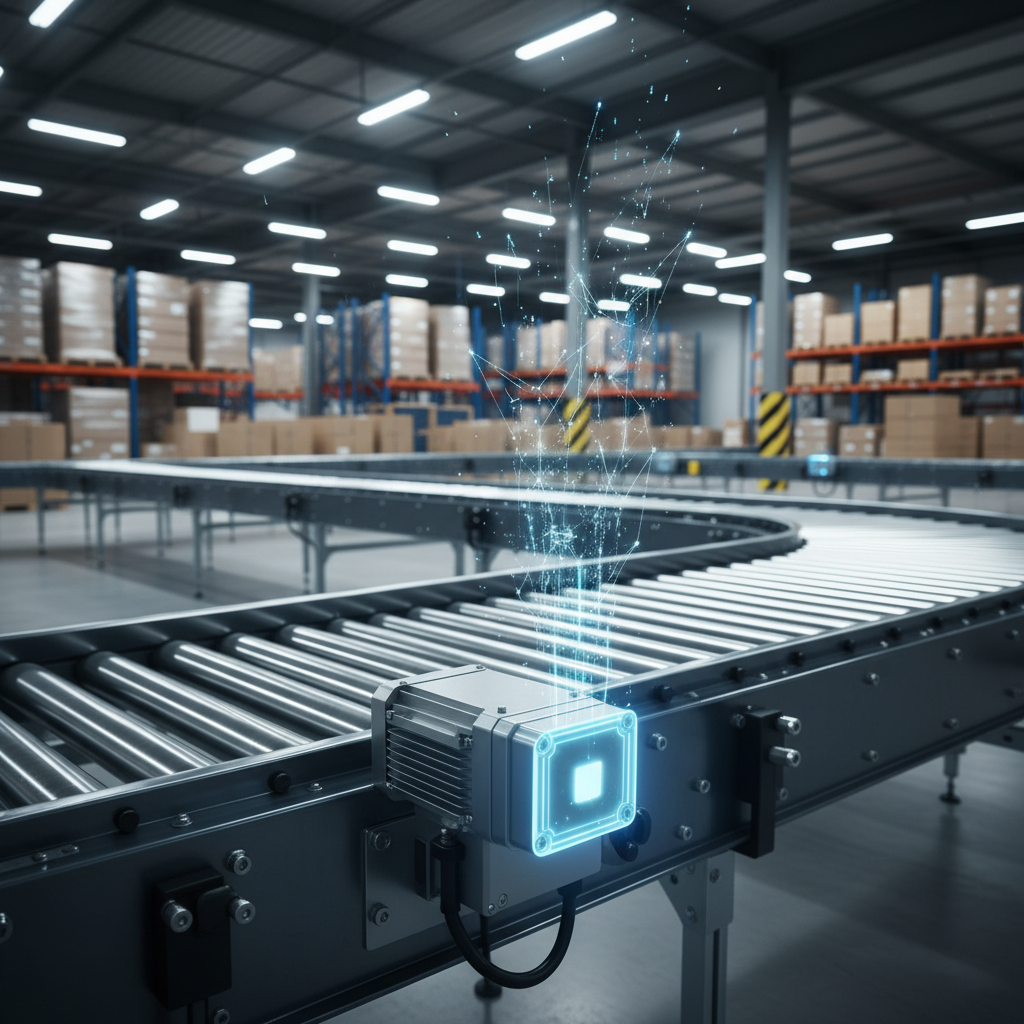
Conveyor System Data Analytics is the process of collecting, processing, and interpreting real-time and historical data generated by sensors, motors, and controllers within a conveyor network. This data, often managed by a PLC (Programmable Logic Controller), is transformed into actionable insights about system health, performance, and potential bottlenecks, enabling data-driven decision-making.
Why Data Analytics is Crucial for Benelux Logistics Hubs
The Benelux region, with its world-class ports like Antwerp and Rotterdam and major air cargo hubs like Schiphol and Liège, forms one of the densest logistics networks globally. This density creates immense pressure on warehouses to maximize throughput and minimize costs. Labor costs in Belgium and the Netherlands are among the highest in Europe, making automation and efficiency paramount.
Data analytics provides a direct path to this efficiency. By understanding exactly how systems are performing, managers can:
- Justify Automation ROI: Concrete data on throughput gains and downtime reduction proves the value of investments in advanced conveyor systems.
- Enhance Competitiveness: For 3PL providers in key locations like Venlo or Ghent, offering data-backed performance guarantees can be a powerful differentiator.
- Manage Rising Energy Costs: Analytics can pinpoint inefficient motors or operational periods, helping to reduce energy consumption, which can account for up to 15% of a conveyor system's total cost of ownership (TCO).
- Improve Labor Allocation: By predicting peak flow and identifying bottlenecks, staff can be allocated more effectively, reducing idle time and improving productivity.
Key Data Points to Collect from Your Conveyor System
Effective analytics starts with quality data. Your collection strategy should focus on metrics that directly impact performance and reliability. Key data points include:
- Throughput: The number of parcels, boxes, or pallets passing a specific point per minute or hour (CPH).
- Speed & Speed Variations: The operational speed of the belt or rollers in m/s. Fluctuations can indicate load issues or motor problems.
- Downtime & Micro-Stops: Logging every stop, its duration, and its location to identify recurring faults.
- Motor Current & Temperature: An increase in amperage (Amps) or temperature (°C) for the same load is a classic indicator of impending motor failure or mechanical friction.
- Vibration Analysis: Using accelerometers to detect unusual frequencies that signal bearing wear, misalignment, or imbalance.
- Parcel Data: Barcode scans, weight (kg), and dimensions (mm) captured by in-line scanners provide context for performance metrics.
Translating Data into Actionable Insights
Raw data is just noise. The value lies in its interpretation. For instance, the system might log that a specific motor’s current draw has increased by 8% over the past 100 operating hours while its surface temperature is up by 5°C. By itself, this is just a number. An analytics platform, however, translates this into a clear insight: "Warning: Motor 7 on the main sorting line shows signs of increased strain. Probability of failure within 2 weeks is 75%. Recommend inspection and possible replacement during next scheduled maintenance window."
This proactive approach prevents costly unplanned downtime. Many companies find that as they grow, their operational processes fail to keep pace, leading to inefficiencies that data analytics can expose and resolve. For a deeper look into this common issue, exploring how processes can lag behind business growth offers valuable context. By turning data into predictive alerts and performance dashboards, you create a robust, resilient operation.
Core Analytics Techniques for Conveyor Optimization
Different analytical techniques provide different levels of insight. The choice depends on your operational maturity and goals. This applies to all types of systems, from simple roller conveyors to complex networks of belt conveyors and sorters.
| Technique | Description | Example Application | Business Value |
|---|---|---|---|
| Descriptive | What happened? Summarizes historical data. | A dashboard showing yesterday's average throughput was 1,800 CPH with 45 minutes of total downtime. | Basic performance monitoring. |
| Diagnostic | Why did it happen? Drills down to find root causes. | Correlating the 45 mins of downtime with a specific photo-eye sensor that failed 12 times. | Root cause analysis, problem-solving. |
| Predictive | What will happen? Uses models to forecast future events. | Analyzing motor vibration data to predict a 90% chance of bearing failure in the next 72 hours. | Proactive maintenance, reduced downtime. |
| Prescriptive | What should we do? Recommends actions. | System automatically suggests rerouting parcels around the predicted failure point and creates a maintenance work order. | Automated optimization, highest efficiency. |
The Technology Stack: From Sensors to Dashboards
Implementing a data analytics strategy requires a layered technology stack.
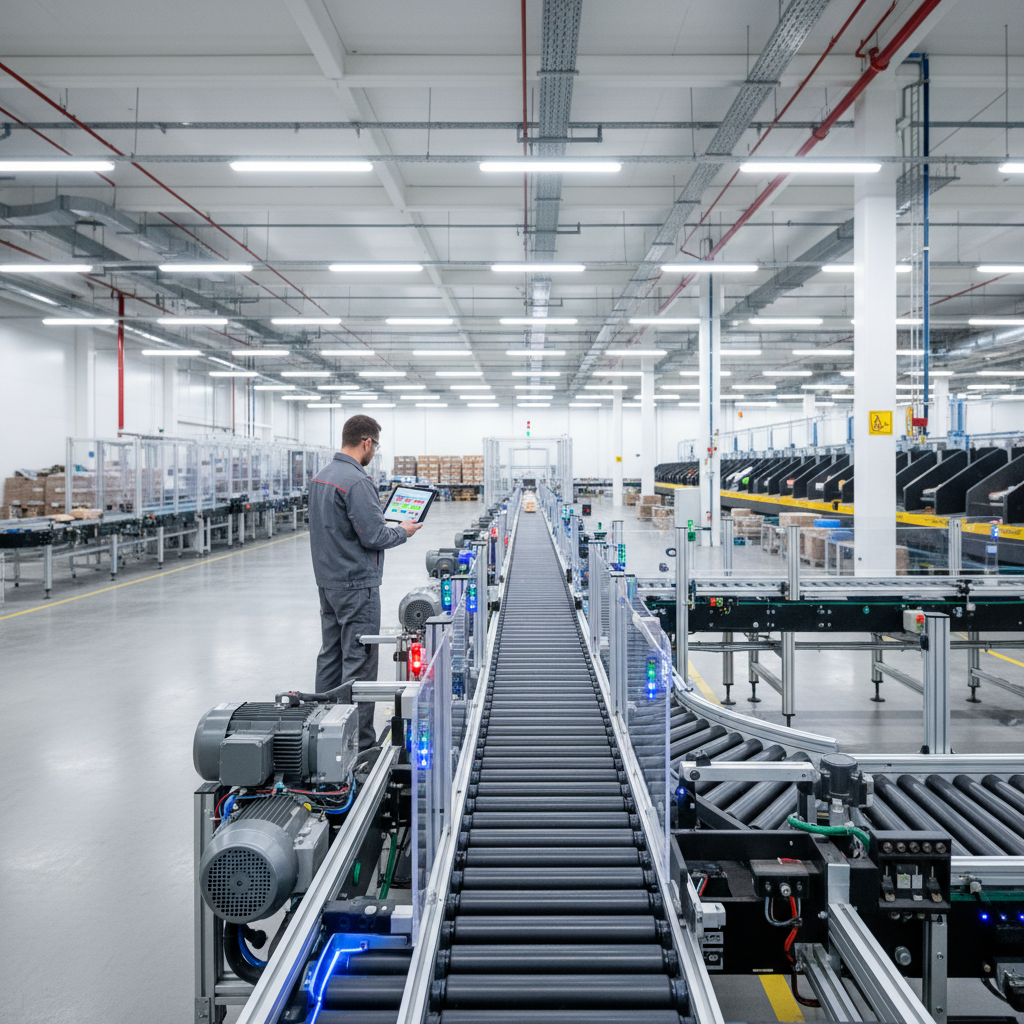
- Sensors & Actuators: The foundation. These are the devices (photo-eyes, encoders, vibration sensors, scanners) that generate the raw data.
- Control Layer: This is where PLCs and motor drivers live. They execute the logic and collect data from the sensors.
- Data Aggregation & Communication: Data from multiple PLCs is aggregated, often using standardized protocols like OPC UA, ensuring interoperability between different machine vendors.
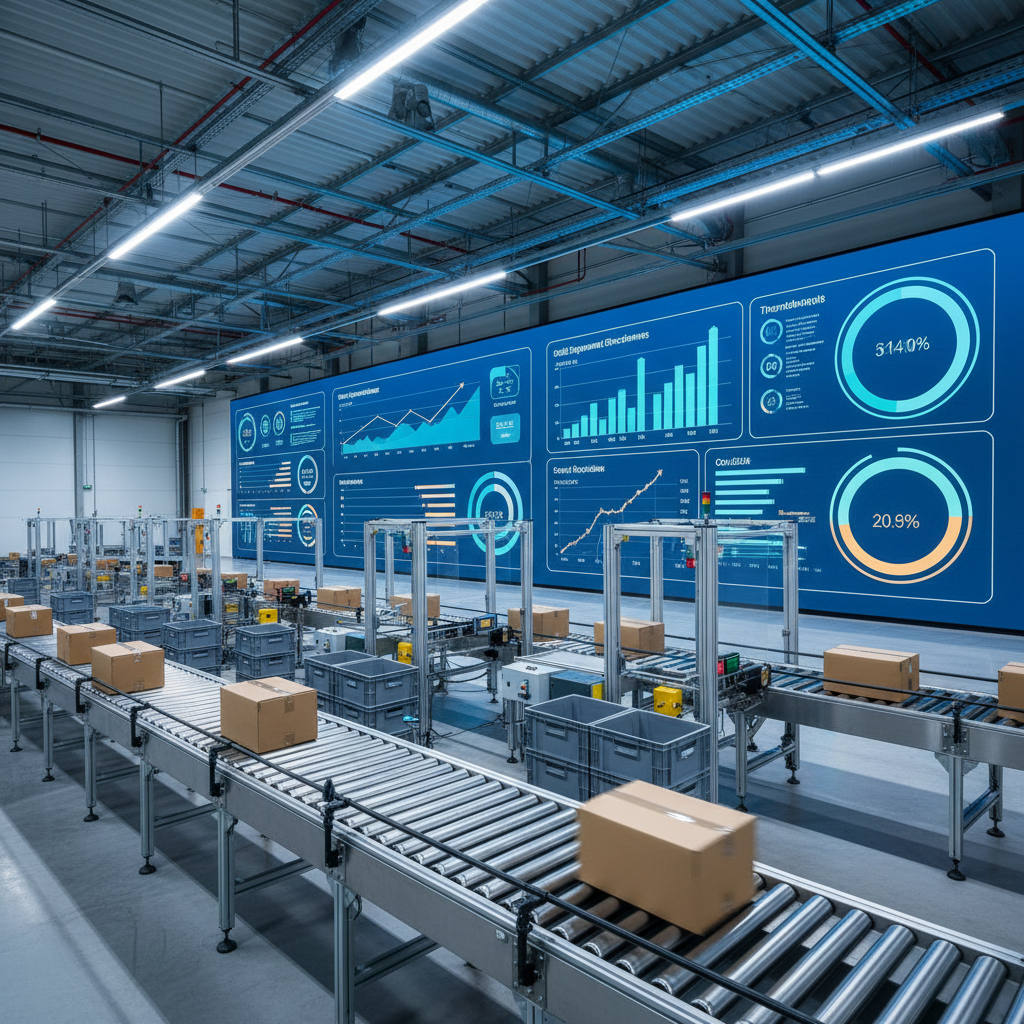
- Analytics & Visualization: This layer, often part of a Warehouse Execution System (WES) or a standalone Business Intelligence (BI) tool, is where the data is processed, analyzed, and presented on dashboards with graphs, alerts, and KPIs.
Avoiding Common Pitfalls in Data Implementation
embarking on a data analytics project requires careful planning. Avoid these common mistakes:
- Collecting Data Without a Goal: Don't just collect everything. Start by defining the 1-2 key problems you want to solve (e.g., reduce downtime on Line A, increase sorting speed at peak times) and collect data specifically for that purpose.
- Ignoring Data Quality: "Garbage in, garbage out." Ensure sensors are properly calibrated and installed. A faulty sensor will generate misleading insights and erode trust in the system.
- Creating Data Silos: The most powerful insights come from combining conveyor data with data from other systems (WMS, WCS). Ensure your analytics platform can integrate with your existing software landscape.
- Forgetting the Human Element: A dashboard is useless if no one knows how to use it. Train your maintenance and operations teams to interpret the data and empower them to act on it.
Easy Systems: Your Partner in Data-Driven Conveyor Solutions
At Easy Systems, we design and build our modular conveyor systems with data in mind from day one. Our solutions, widely used in logistics centers across the Benelux and Europe, are built on a philosophy of transparency and control. We believe that providing our clients with access to the right data is just as important as the physical hardware itself. Our systems are designed for easy integration with standard industry protocols, allowing you to connect our conveyors to your preferred WCS or analytics platform. We work with you to identify key metrics, ensure proper sensor instrumentation, and help you translate the streams of data from your warehouse floor into tangible improvements in efficiency, reliability, and profitability. We are not just a hardware supplier; we are your partner in building a smarter, data-driven logistics operation.

This article is part of the Conveyor-Design knowledge hub, edited by Easy Systems engineers who design conveyor and warehouse automation systems across the Benelux every week.
Frequently asked questions
What is the first step to implementing conveyor data analytics?+
The first step is a 'problem definition workshop'. Instead of installing sensors everywhere, identify your biggest pain point—be it downtime, a bottleneck, or high energy use. Then, determine the specific data needed to diagnose and solve that single problem. Start small, prove the value, and then expand.
How much does it cost to add data analytics to a conveyor system?+
The cost varies significantly. A basic setup for one critical conveyor line might cost €5,000 - €15,000 for sensors, data logging hardware, and a simple dashboard. A comprehensive, warehouse-wide predictive analytics platform can range from €50,000 to over €200,000, depending on scale and software complexity.
Can data analytics be retrofitted onto older conveyor systems?+
Yes, absolutely. Many analytics projects are retrofits. Non-invasive sensors for vibration and motor current can be clamped onto existing equipment, and data can be tapped from older PLCs. It is a cost-effective way to modernize existing assets without a full replacement.
What's the difference between WCS data and conveyor data?+
A Warehouse Control System (WCS) manages the flow of products—it tells the conveyor where to send a box. Conveyor data analytics focuses on the health and performance of the hardware itself—it tells you if the conveyor is physically able to execute the WCS commands efficiently and reliably.