Cold Chain Conveyors: Specialized Solutions for Temperature-Controlled Logistics in Benelux
Cold chain conveyors are essential for maintaining temperature integrity in food and pharmaceutical logistics. This guide explores the specific challenges and automated solutions, like stainless steel and modular conveyors, crucial for Benelux distribution centers.
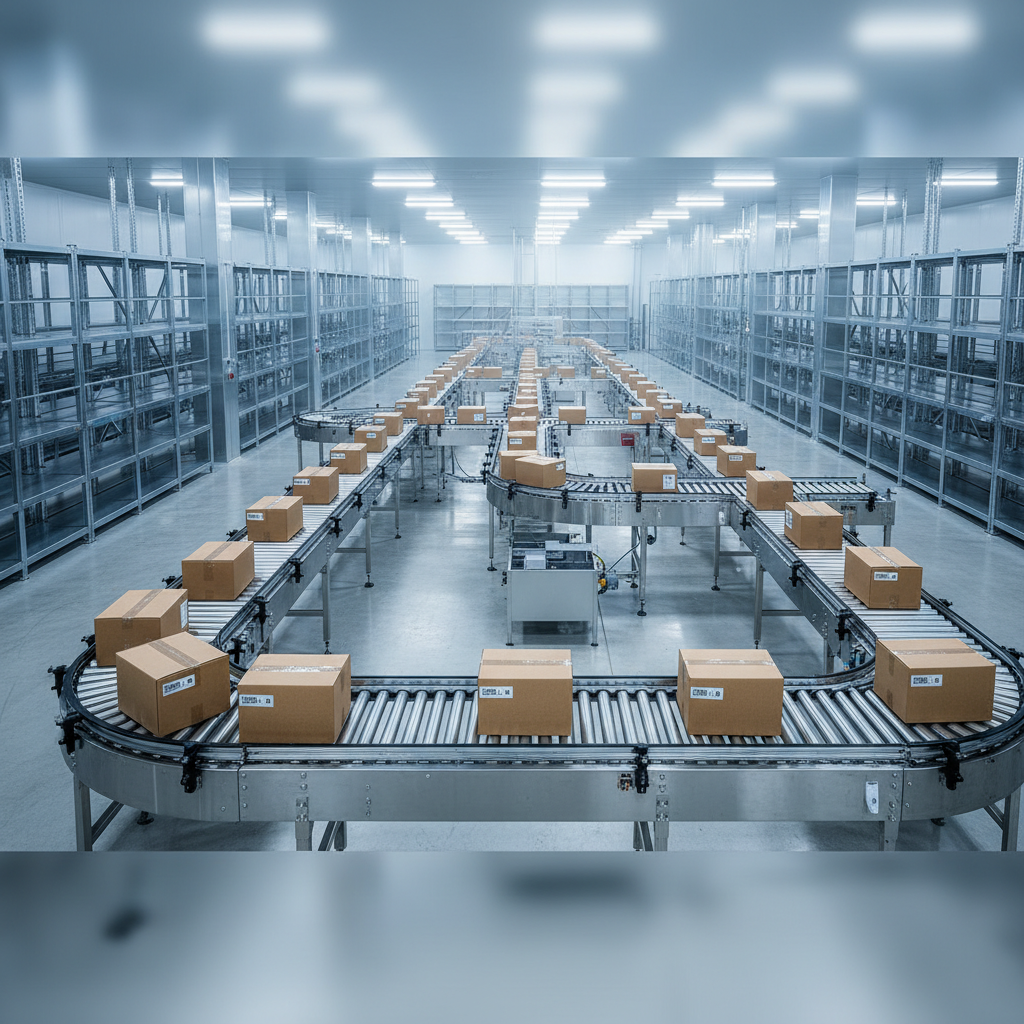
In the high-stakes world of temperature-controlled logistics, maintaining product integrity is not just a goal; it's a necessity. For the Benelux, a pivotal logistics gateway for Europe, the challenge is amplified. The seamless movement of fresh food, pharmaceuticals, and other perishable goods relies on a robust and unbroken cold chain. Specialized conveyor systems form the backbone of this chain within the four walls of a distribution center, ensuring that products remain at their optimal temperature from receiving to shipping.
Definition
A cold chain conveyor is a material handling system specifically designed and constructed to operate reliably and hygienically in temperature-controlled environments, such as refrigerated (0°C to 5°C) or frozen (down to -30°C) warehouses. These systems use specialized materials and components that withstand low temperatures, resist moisture, and comply with strict sanitary standards for handling food and pharmaceuticals.
The Unique Demands of Cold Chain Logistics in the Benelux
The Benelux region, with major ports like Antwerp and Rotterdam, is a global hub for the import and export of perishable goods. This includes vast quantities of fresh produce, seafood, and a significant share of Europe's pharmaceutical distribution. This concentration creates unique demands:
- Stringent Regulations: Compliance with European food safety standards (HACCP) and pharmaceutical regulations (Good Distribution Practice - GDP) is non-negotiable. Conveyors must be designed for easy cleaning and inspection to prevent microbial growth.
- High Throughput: To minimize time outside of ideal temperature zones, processes must be fast. Efficient conveyor systems reduce dock-to-stock times and accelerate order fulfillment.
- Product Diversity: Systems must handle a wide array of products, from 25kg boxes of fish to delicate pharmaceutical vials, all requiring uninterrupted temperature control.
Core Components of Cold-Resistant Conveyor Systems
Standard conveyors fail in cold environments. Condensation, ice buildup, and material brittleness can cause frequent breakdowns. Cold chain conveyors are engineered with specific components to overcome these challenges.
Motors and Drives
Motors must be rated for low-temperature operation. IP66 or higher-rated enclosures are standard to protect against moisture ingress from condensation and cleaning processes. Drum motors, where the motor is sealed within the roller, are often preferred as they are compact and highly protected. For very low temperatures (below -20°C), specialized lubricants and heaters within the motor housing may be necessary.
Belts and Rollers
The choice of conveying surface is critical. Standard PVC belts can become brittle and crack. Therefore, materials like Polyurethane (PU) or modular plastic belts made from Polyethylene (PE) or Polyoxymethylene (POM) are preferred. For direct food contact, these materials must be FDA/EU approved. Steel rollers are typically made from Grade 304 stainless steel to prevent rust and corrosion.
Frames and Supports
Stainless steel is the material of choice for conveyor frames in wash-down and cold environments. Its resistance to rust and corrosion is essential for maintaining hygiene and structural integrity. Designs often feature open, rounded profiles to eliminate crevices where water and bacteria could accumulate, facilitating easier and more effective cleaning.
Types of Conveyors Suitable for Cold Chain Operations
Several conveyor types can be adapted for cold chain use, each with distinct advantages. The choice depends on the specific application, product type, and required throughput.
The following table compares common solutions:
| Conveyor Type | Typical Temperature Range (°C) | Hygiene Level (1-5) | Max Load (kg/m) | Common Application |
|---|---|---|---|---|
| Stainless Steel Roller Conveyor | -25°C to +5°C | 4 | 50 - 1,500 | Tote, crate, and pallet handling in refrigerated storage. |
| Modular Plastic Belt Conveyor | -30°C to +5°C | 5 | 20 - 200 | Direct food contact, wash-down areas, packaged goods. |
| Spiral Conveyor | -30°C to +5°C | 4 | 50 | Vertical transport, cooling/freezing processes, elevation changes. |
| Stainless Steel Belt Conveyor | -20°C to +5°C | 5 | 15 - 75 | Hygienic processing of unpacked food items (e.g., fish, meat). |
Stainless Steel Roller Conveyors
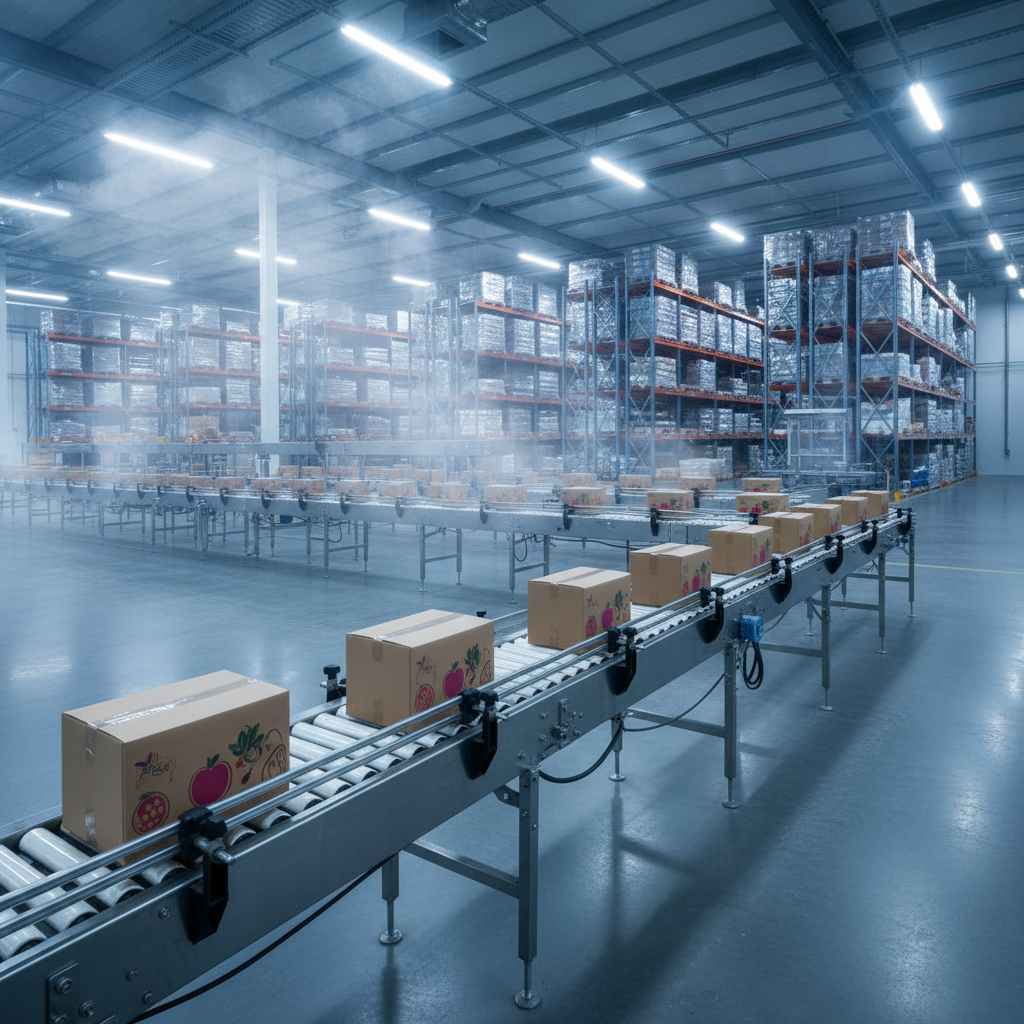
These are workhorses for handling boxes, totes, and pallets. Their robust construction makes them ideal for connecting zones within a refrigerated warehouse, from inbound receiving to outbound staging. Using motorized rollers (MDR) allows for zero-pressure accumulation, preventing product collisions and damage.
Modular Plastic Belt Conveyors
These offer superior flexibility and hygiene. The belt is constructed from interconnected plastic modules, which can be easily cleaned and replaced if damaged. Their smooth surface is ideal for handling packaged goods, while specific belt types with flights or friction tops can be used for incline or decline applications.
Integrating Automation for End-to-End Temperature Control
Modern cold chain logistics is about more than just low temperatures; it’s about data and control. Conveyors are a crucial part of a larger automated ecosystem. Integrating them with a Warehouse Control System (WCS) or Warehouse Execution System (WES) provides real-time tracking and temperature monitoring. You can learn more about how these systems interact in our guide to WMS, WCS, and WES integration.
This integration allows a seamless flow of information, ensuring that every carton's temperature history is logged. Sensors along the conveyor path can flag any deviations, triggering alerts for immediate intervention. This level of control is essential for reducing spoilage and providing the traceability required for audits and compliance. As many businesses discover, their operational processes often lag behind their growth; automating material flow is a key step in aligning processes with increased scale and complexity. More on this topic can be explored in the article "Bedrijven groeien, maar hun processen groeien niet altijd mee", which highlights the importance of scalable processes.
ROI and Performance Metrics in Cold Chain Conveyance
Investing in specialized cold chain conveyors, which can range from €2,000 to €15,000 per meter depending on specification, requires a clear understanding of the return on investment (ROI). The primary returns are not just in labor savings but also in risk mitigation and quality assurance.
- Reduced Spoilage: By accelerating handling and ensuring constant temperatures, spoilage rates can be drastically reduced. A 1-2% reduction in spoilage in a high-volume food distribution center can translate to hundreds of thousands of Euros in savings annually.
- Increased Throughput: Automated conveyors can operate 24/7 at consistent speeds, often around 0.3-0.5 m/s. This increases the capacity of the facility without expanding its physical footprint.
- Energy Efficiency: Modern motorized rollers (MDR) are highly energy-efficient, consuming up to 50% less energy than traditional AC motor-driven conveyors. In a cold environment where energy costs for refrigeration are already high, this is a significant operational saving.
- Labor Safety: Automating movement in sub-zero environments reduces the time employees must spend in harsh conditions, improving safety and reducing turnover.
Easy Systems: Your Partner in Cold Chain Conveyor Solutions
Designing and implementing conveyor systems for temperature-controlled environments requires deep expertise. The challenges of condensation, hygiene, and material performance at low temperatures demand more than just standard equipment. At Easy Systems, we have a proven track record of engineering and delivering robust, reliable, and hygienic conveyor solutions for the food and pharmaceutical industries across the Benelux.
Our approach is rooted in understanding your specific operational context. We don't just sell conveyors; we build integrated material handling solutions. By using high-quality stainless steel, FDA-approved components, and intelligent control systems, we ensure that your cold chain remains unbroken, efficient, and compliant. We partner with you to analyze your product flow, identify bottlenecks, and design a system that not only meets today’s needs but can also scale with your business tomorrow. Trust Easy Systems to be your partner in building a resilient and profitable cold chain operation.
This article is part of the Conveyor-Design knowledge hub, edited by Easy Systems engineers who design conveyor and warehouse automation systems across the Benelux every week.
Frequently asked questions
What is the primary difference between a standard conveyor and a cold chain conveyor?+
The primary difference lies in the materials and components. Cold chain conveyors use stainless steel frames, low-temperature-rated motors (IP65/66), and specialized belts (e.g., POM, PE) that resist brittleness and condensation, ensuring reliable operation in refrigerated or frozen environments down to -30°C.
How do you prevent ice buildup on conveyors in a freezer environment?+
Preventing ice buildup involves several strategies: using low-friction materials, ensuring smooth and continuous movement to prevent stops where ice can form, and designing components like sealed drum motors or heated enclosures for drives. Proper climate control and minimizing air moisture in the freezer zone are also crucial.
Are cold chain conveyors suitable for direct food contact?+
Yes, when specified correctly. Conveyors for direct food contact use FDA/EU-compliant modular plastic or solid polyurethane belts. The entire system, including the frame, is designed with sanitary principles, featuring open construction and smooth welds to allow for easy and thorough cleaning and to prevent bacterial harborage.