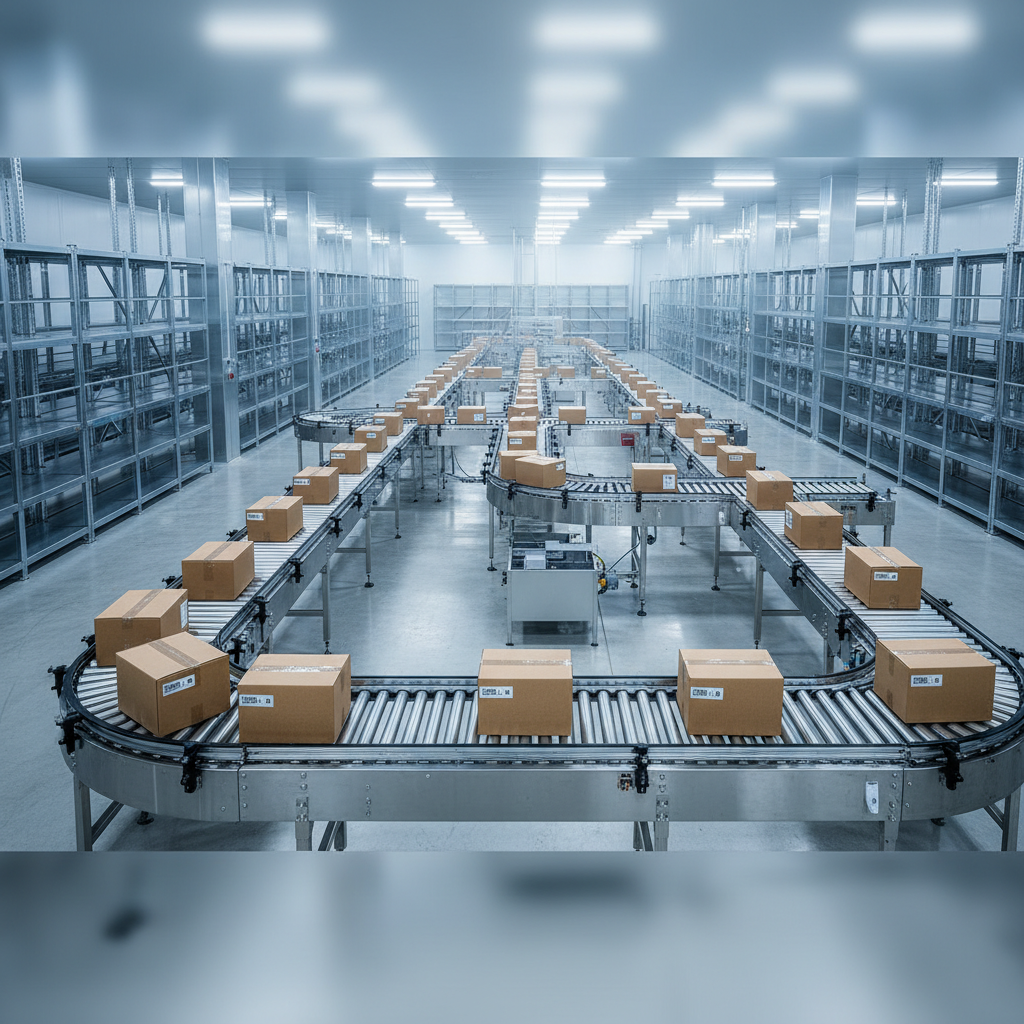
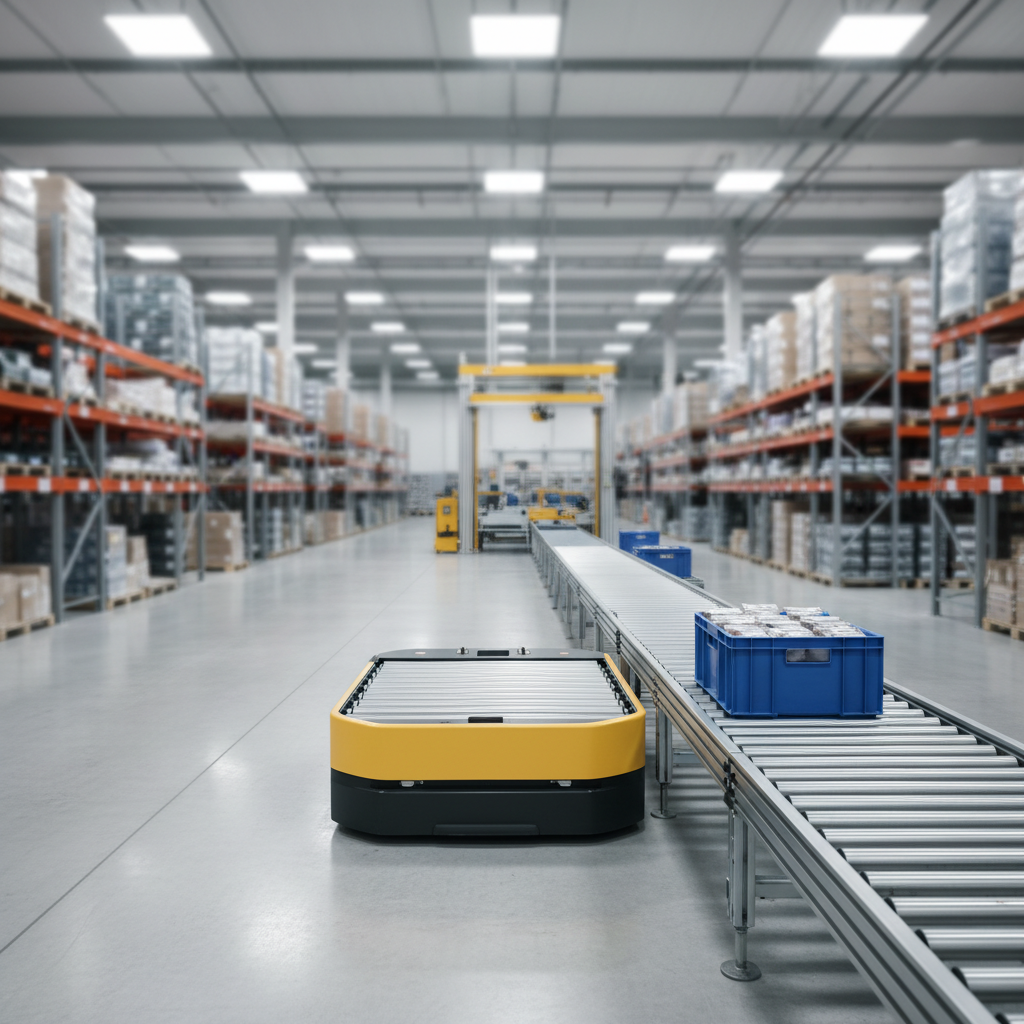
Cold Chain Conveyors for Temperature-Controlled Benelux Warehouses
Cold chain conveyors are essential for maintaining product integrity in temperature-controlled Benelux warehouses. This guide covers the specialized materials, designs, and technologies required for handling sensitive goods like food and pharmaceuticals in refrigerated and frozen environments.
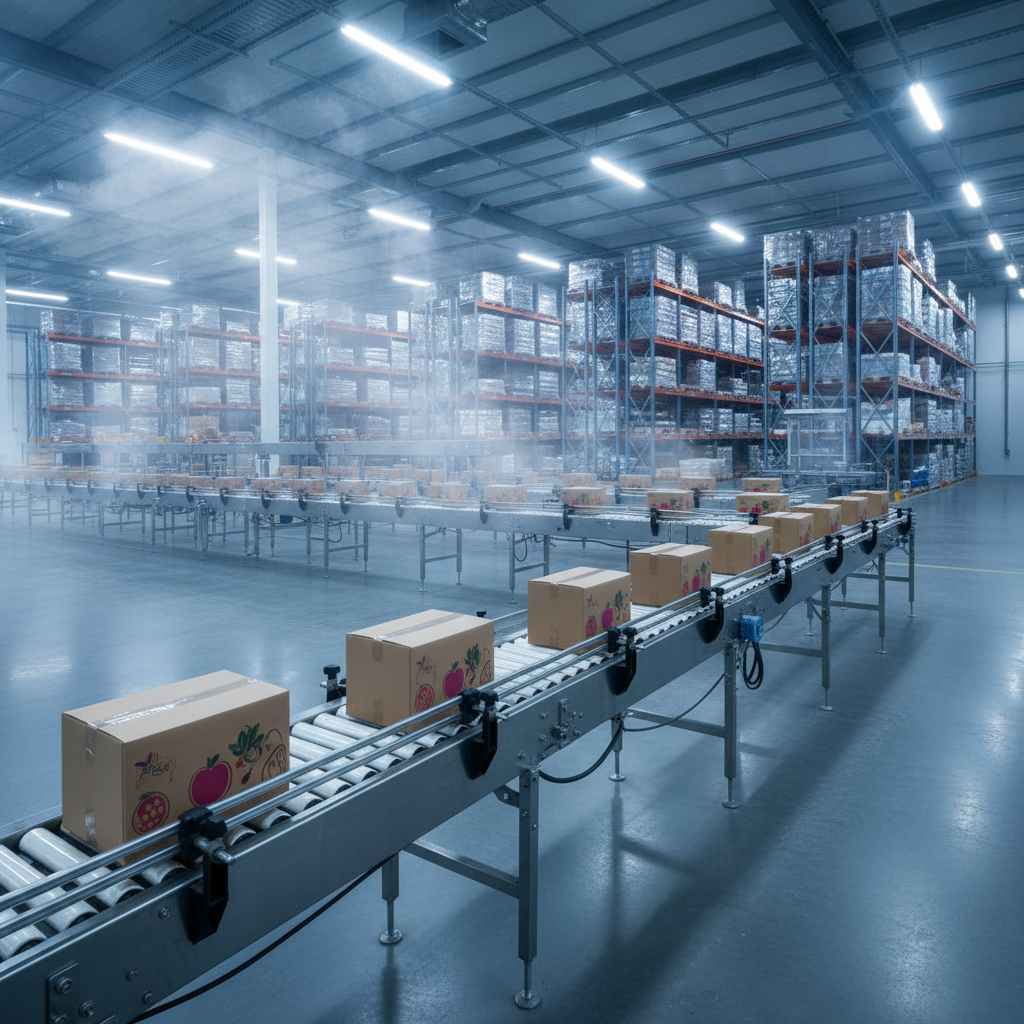
In the heart of European logistics, the Benelux region serves as a critical hub for perishable goods. The integrity of the cold chain is paramount, and specialized conveyor systems are the backbone of temperature-controlled warehouses. Moving goods efficiently while maintaining precise temperatures is a complex engineering challenge that demands more than just standard material handling equipment.
Definition
A cold chain conveyor is a material handling system specifically designed and constructed to operate reliably and hygienically within a temperature-controlled environment, such as a refrigerated or frozen warehouse. Its purpose is to transport temperature-sensitive products like food, pharmaceuticals, and chemicals while preserving their quality and safety.
The Critical Role of Cold Chain Logistics in Benelux
With major ports like Rotterdam and Antwerp acting as gateways to Europe, the Benelux is a powerhouse for the import and export of fresh produce, frozen foods, and pharmaceuticals. The region's dense logistics network requires rapid dock-to-stock times to maintain product viability. A typical large-scale food distribution center in this area might handle over 50,000 tonnes of chilled and frozen goods weekly, making efficient and reliable automated handling non-negotiable.
Failure to maintain temperature control, even for a few minutes, can result in spoilage, waste, and significant financial loss, costing a medium-sized distributor upwards of €100,000 per incident. More importantly, it can compromise consumer safety and lead to severe regulatory penalties under EU legislation. This is why investing in robust cold chain infrastructure is not just an operational choice but a critical business requirement.
Design Challenges Specific to Cold Environments
Operating machinery in sub-zero temperatures presents unique engineering obstacles that standard conveyors are not equipped to handle. These challenges must be addressed in the design phase to prevent costly downtime and maintenance.
Condensation and Ice Build-up
When conveyors move between different temperature zones (e.g., from an ambient loading dock to a -25°C freezer), condensation forms and quickly turns to ice. This ice can jam rollers, seize bearings, and cause belts to slip or mistrack. Over time, it can damage motors and electrical components, leading to complete system failure. Effective design incorporates sloped surfaces, sealed components, and specialized heating elements in critical areas.
Material Brittleness and Lubrication
Standard materials like carbon steel and some plastics become brittle at low temperatures, increasing the risk of cracks and mechanical failure. Lubricants are also a major concern; standard greases and oils thicken in the cold, increasing friction and motor load. Cold chain systems require specific steel grades and polymers that retain ductility, along with synthetic, low-temperature lubricants that maintain their viscosity down to -40°C.
Types of Conveyors for Cold Chain Applications
While many conveyor types exist, only a few are truly suitable for the rigors of a temperature-controlled warehouse. The choice depends on the product, temperature zone, and required hygiene level. For a deeper dive into pallet handling, our Pallet Conveyor Systems guide offers extensive details.
Stainless Steel Conveyors
Stainless steel is the premium choice for cold chain applications, particularly in direct food contact zones. It offers excellent corrosion resistance, is impervious to most cleaning chemicals, and provides a smooth, non-porous surface that is easy to sanitize. Both stainless steel roller conveyors and belt conveyors are common.
Modular Plastic Belt Conveyors
A modular plastic belt is another popular choice. Constructed from plastic modules linked by rods, these belts are durable and available in materials rated for deep-freeze environments. Their open-grid design facilitates drainage and cleaning, and damaged sections can be replaced individually, reducing maintenance time. They are highly versatile for transporting everything from cardboard boxes to raw food products.
Comparative Analysis of Cold Chain Conveyor Types
| Conveyor Type | Typical Temp. Range | Hygiene Level | Relative Cost | Typical Speed |
|---|---|---|---|---|
| Stainless Steel Roller Conveyor | -30°C to +5°C | Very High | High | 0.3 - 0.7 m/s |
| Stainless Steel Belt Conveyor | -30°C to +5°C | Excellent | Very High | 0.2 - 1.0 m/s |
| Modular Plastic Belt Conveyor | -25°C to +40°C | High | Medium-High | 0.2 - 1.2 m/s |
| Standard (Carbon Steel) Roller Conveyor | Not Recommended (<5°C) | Low | Low | N/A |
Key Components and Hygienic Design
The devil is in the details. A successful cold chain conveyor is a sum of its specialized parts, all designed for hygiene and low-temperature performance.
- Motors and Drives: Motors must be rated for low temperatures and washdown procedures. Stainless steel motors with an IP69K rating are often specified, allowing for high-pressure, high-temperature cleaning.
- Bearings: Sealed stainless steel bearings with low-temperature grease are essential. They prevent lubricant contamination and resist corrosion from cleaning agents and condensation.
- Frame Design: Frames should be constructed with open profiles (e.g., round tubes instead of square) and sloped surfaces to eliminate horizontal planes where water and debris can collect. This "hygienic design" principle is critical for preventing bacterial growth.
- Controls and Electrics: All electrical enclosures must be at least IP67-rated. Wiring should use cold-resistant insulation, and sensors must be designed to function accurately despite potential ice build-up.
Integration with Warehouse Control Systems (WCS)
A modern cold chain warehouse relies on data to ensure compliance and efficiency. The conveyor system is not an isolated island; it must be tightly integrated with a Warehouse Control System (WCS) or Warehouse Execution System (WES). As we discuss in our guide on system integration, the WCS orchestrates the flow of goods, tracks items in real-time, and monitors system status. In a cold chain context, it can also log temperature data, ensuring a complete audit trail for every item that passes through the facility. This integration is crucial for achieving high throughput while guaranteeing product integrity.
Many companies in the Benelux find that their operational growth outpaces their internal processes, leading to bottlenecks in critical areas like refrigerated logistics. As detailed in a recent analysis, businesses often grow without their processes scaling accordingly, making strategic investments in automation a necessity.
Positioning Your Business for Success with Easy Systems
In the competitive Benelux market, having a reliable and efficient cold chain infrastructure is a significant advantage. The margin for error is zero, and your material handling systems must perform flawlessly day in and day out. Standard, off-the-shelf solutions are simply not an option.
At Easy Systems, we are not just conveyor suppliers; we are engineers and integrators with deep expertise in the food and pharmaceutical logistics sectors. We understand the specific challenges of operating in chilled and frozen environments, from material science to regulatory compliance. We design and build custom conveyor and sorting solutions that are robust, hygienic, and perfectly integrated into your facility's workflow.
Partnering with Easy Systems means choosing a Benelux-based expert who understands the local market and delivers turnkey solutions. We ensure your temperature-controlled warehouse operates at peak efficiency, safeguarding your products, your reputation, and your bottom line.
This article is part of the Conveyor-Design knowledge hub, edited by Easy Systems engineers who design conveyor and warehouse automation systems across the Benelux every week.
Frequently asked questions
What is the typical cost difference for a cold chain conveyor?+
A cold chain conveyor can cost 50% to 150% more than a standard conveyor of the same size. This is due to the use of specialized materials like stainless steel, IP69K-rated motors, sealed bearings, and low-temperature lubricants, all of which are significantly more expensive.
What are the most important materials for cold chain conveyors?+
Grade 304 or 316 stainless steel is the preferred material for frames and rollers due to its corrosion resistance and hygiene. For belts, polyethylene (PE) or polypropylene (PP) modular belts are common, as they are durable in cold temperatures and easy to clean.
How do you prevent ice from forming on a freezer conveyor?+
Preventing ice involves a multi-faceted approach. This includes using low-conduction materials, ensuring the conveyor runs continuously (if possible) to prevent static freezing, designing it for easy cleaning to remove moisture, and in some critical transition zones, using targeted, low-wattage heating elements or warm air blowers.