Zero-Emission Intralogistics: Electric Conveyors in Benelux
Driven by sustainability goals, Benelux warehouses are rapidly adopting 24V DC electric conveyor systems. These technologies cut energy use by up to 70%, lower operational noise, and are crucial for achieving modern green building certifications.
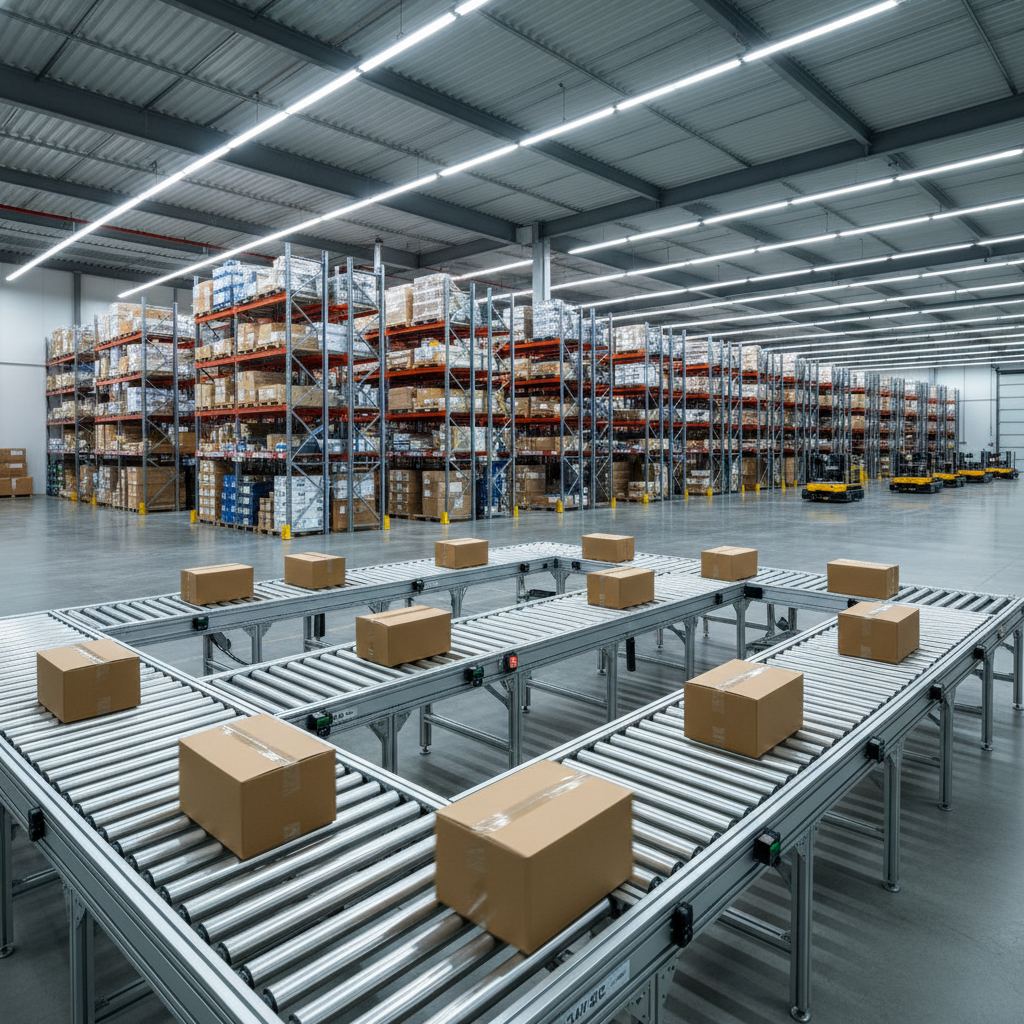
In the logistics heart of Europe—the Benelux—the push for sustainability is reshaping warehouse operations. Driven by stringent EU regulations, rising energy costs, and corporate responsibility, distribution centers are aggressively pursuing zero-emission intralogistics. At the core of this transformation are electric conveyor systems, a powerful technology that combines ecological benefits with significant operational and financial advantages.
Definition
Zero-Emission Intralogistics refers to the movement of goods and materials within a warehouse or distribution center using exclusively electric-powered equipment, thereby eliminating direct carbon emissions, reducing noise pollution, and minimizing energy consumption during internal transport processes.
The Green Logistics Imperative in the Benelux
The Benelux region, with its high density of distribution centers serving key ports like Antwerp and Rotterdam, is a focal point for logistics innovation. The pressure to decarbonize is immense. Governments in Belgium, the Netherlands, and Luxembourg offer incentives for green investments, while regulations under the EU Green Deal demand tangible progress in reducing industrial carbon footprints. For warehouse operators, this translates into a clear mandate: adopt greener technologies or risk becoming uncompetitive and non-compliant. Sustainability is no longer a "nice-to-have"; it's a critical factor for securing planning permissions for new builds and for achieving coveted certifications like BREEAM (Building Research Establishment Environmental Assessment Method), which are increasingly demanded by clients and investors.
Core Technologies Driving Electric Intralogistics
The transition to zero-emission operations hinges on replacing outdated, energy-intensive equipment with modern, efficient electric alternatives. While electric forklifts and AMRs play a role, the backbone of high-volume product flow—the conveyor system—offers the most significant opportunity for impact.
24V DC Motorized Drive Roller (MDR) Technology
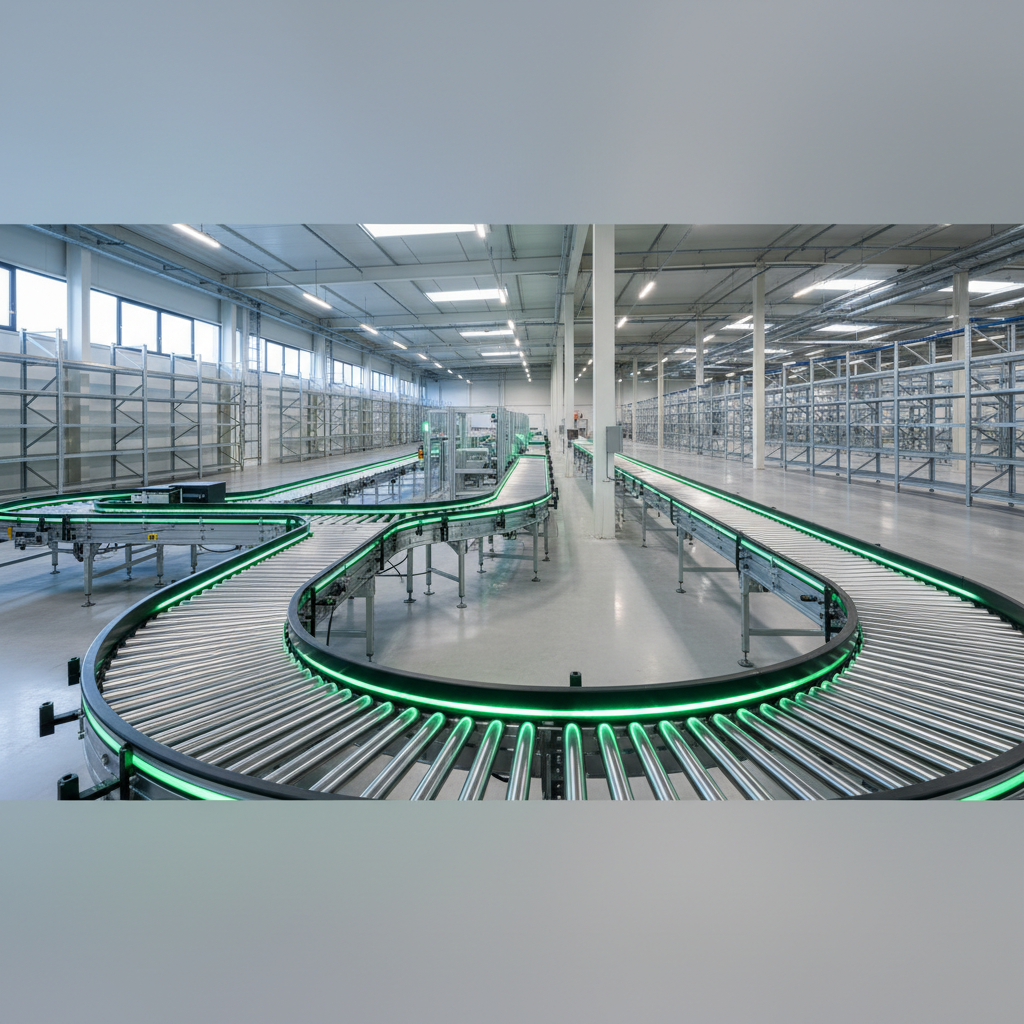
The star of modern electric conveyance is the MDR (Motorized Drive Roller). This technology decentralizes the power source, embedding a small 24V DC motor within each roller. Instead of a single large AC motor driving long sections of conveyor via belts and chains, MDR systems create modular, intelligent zones that only activate when a product is present. This "run-on-demand" approach is the primary driver of energy savings, which can be as high as 70% compared to continuously running AC systems. Furthermore, the absence of long chain/belt transmissions and the use of quiet brushless DC motors dramatically lowers the ambient noise level, creating a safer and more pleasant environment for staff.
Advanced Electric Conveyor Systems
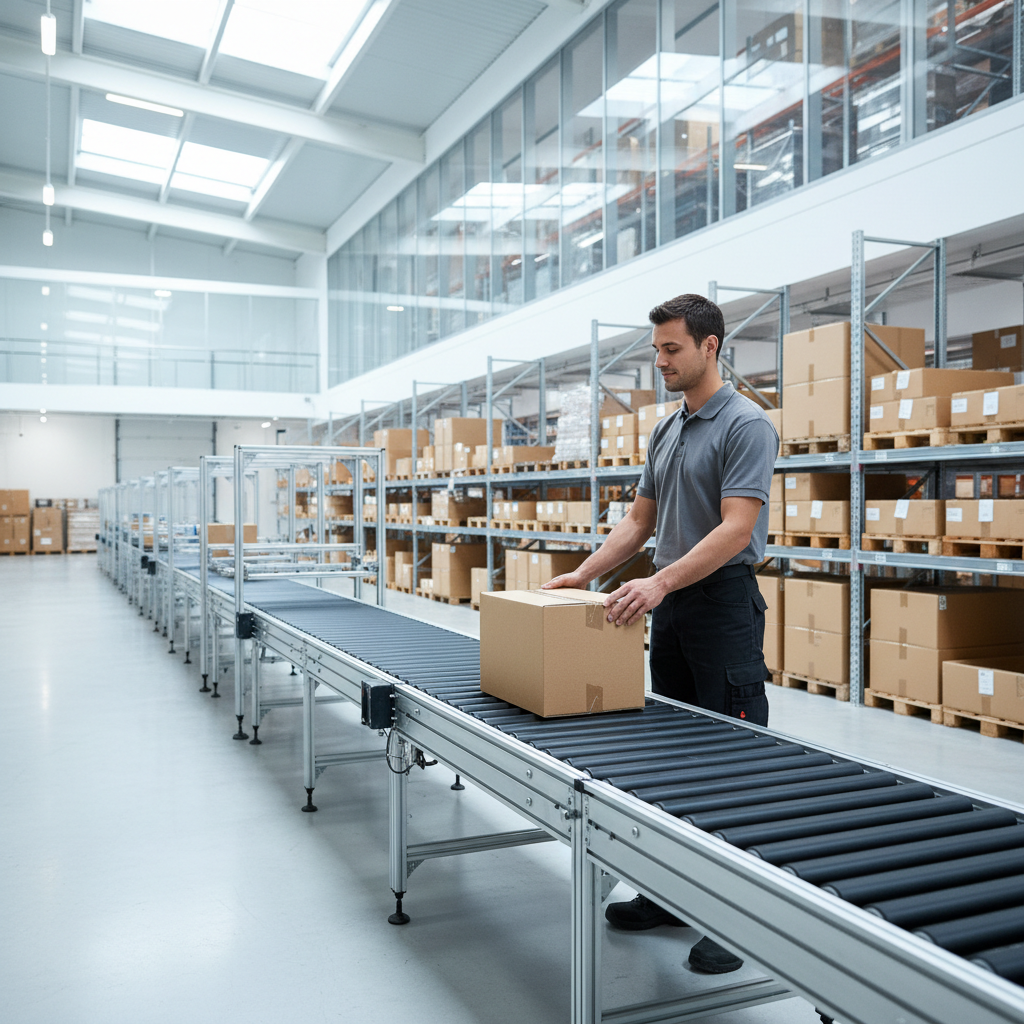
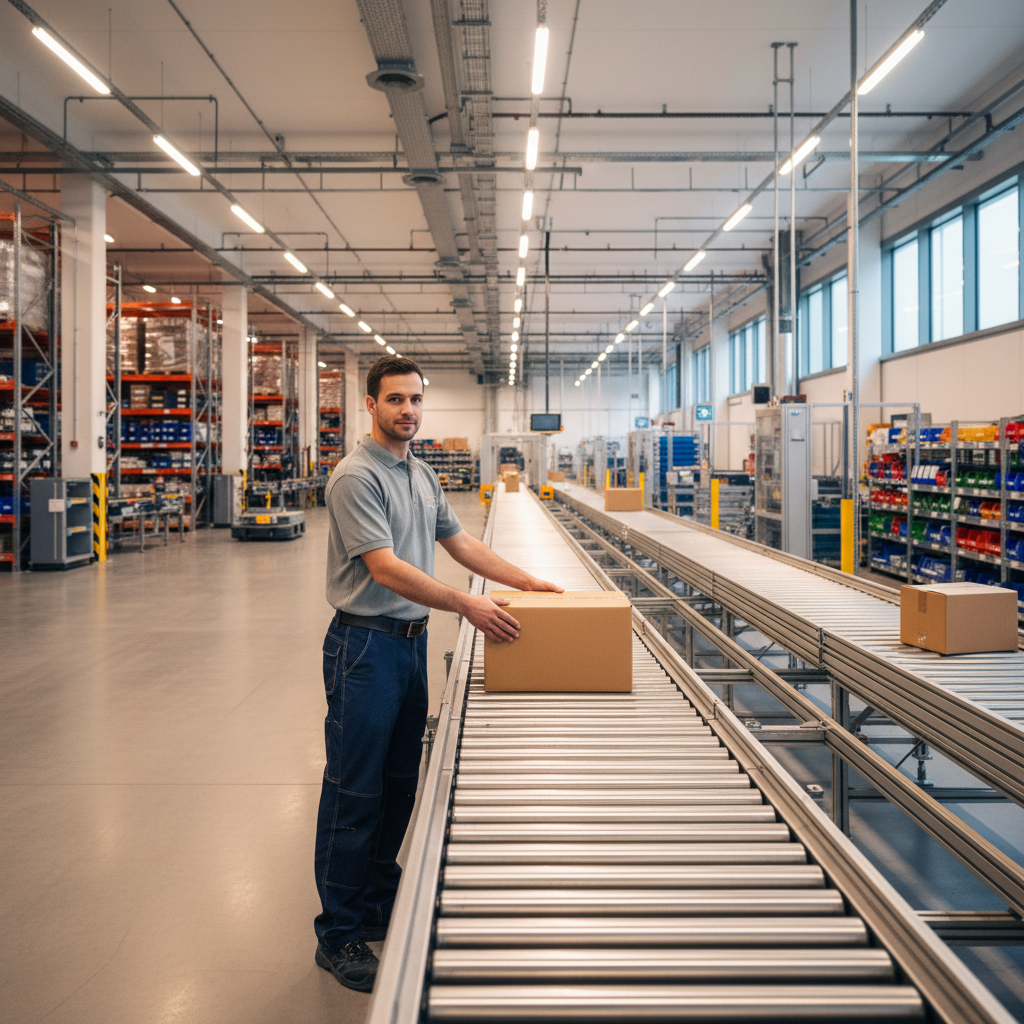
Beyond MDR, the evolution of electric power has enhanced all major conveyor types. Modern electric roller conveyor and belt conveyor systems utilize high-efficiency motors and intelligent controls to optimize performance. For instance, sensors and programmable logic controllers (PLCs) can adjust speeds, manage accumulation, and route products with precision, ensuring that energy is only consumed when and where it is needed. This level of control is fundamental to creating a responsive, efficient, and emission-free material handling ecosystem. For a deeper dive into these systems, our comprehensive guide to roller conveyors provides further detail.
Comparative Analysis: Traditional vs. Electric Conveyors
To understand the practical impact, a direct comparison is essential. The table below contrasts a traditional AC-powered belt conveyor system with a modern 24V DC MDR-powered roller conveyor system, typical for a parcel handling application within a Benelux warehouse.
| Feature | Traditional AC-Powered System | 24V DC MDR Electric System |
|---|---|---|
| Energy Consumption | High (continuous operation); approx. 1.2 kWh per motor | Very Low (run-on-demand); approx. 0.03 kWh per motor-roller |
| Noise Level | High (70-80 dB) due to motor, chains, and gearboxes | Low (below 60 dB) due to brushless DC motors |
| Upfront Cost | Lower initial hardware cost; approx. €1,200 - €1,800 per meter | Higher initial hardware cost; approx. €1,900 - €2,700 per meter |
| Maintenance & TCO | High (frequent belt tensioning, lubrication, motor checks) | Very Low (sealed-for-life rollers, minimal moving parts) |
| Modularity & Flexibility | Low; difficult to reconfigure or modify layout | High; plug-and-play zones are easy to add, move, or change |
The Economic Case for Going Electric
While the initial investment for a 24V DC MDR system can be 30-50% higher, the financial benefits quickly outweigh the cost. The primary return comes from drastically reduced energy bills. A typical 100-meter conveyor line running 16 hours a day could save over €15,000 annually in electricity costs alone. Secondly, maintenance is simplified. Replacing a failed MDR roller takes minutes and can be done by on-site staff, whereas a failed AC motor can halt the entire line for hours and requires specialized technicians. This reliability is crucial in e-commerce fulfillment where downtime directly impacts OTIF (On-Time In-Full) delivery rates. Companies that invest in scalable, modular systems find that as they grow, their processes can keep pace without costly, disruptive overhauls. As processes often fail to scale with company growth, building on a flexible electric platform from the start is a strategic advantage. The lower Total Cost of Ownership (TCO) typically leads to a full return on investment (ROI) within 2-3 years.
Integration with Warehouse Control Systems
An electric conveyor system's efficiency is maximized when it's intelligently controlled. Integration with a Warehouse Control System (WCS) or Warehouse Execution System (WES) allows for sophisticated logic. For example, the system can create dynamic pathways for products, diverting them based on destination or priority. It enables techniques like zero-pressure accumulation, where products queue without touching, preventing damage and allowing for smooth merging and sorting. This smart control layer ensures that the material handling system is not just a collection of hardware, but a fully integrated, data-driven asset that contributes to overall warehouse intelligence and efficiency.
Conclusion: Your Partner for a Sustainable Warehouse
The transition to zero-emission intralogistics is an unmissable opportunity for warehouses in the Benelux to become more efficient, cost-effective, and environmentally responsible. Electric conveyor systems, particularly those powered by 24V DC MDR technology, are a proven, reliable, and financially sound investment. They directly address the challenges of high energy costs, labor shortages, and stringent environmental regulations.
At Easy Systems, we specialize in designing and implementing modular, high-efficiency conveyor solutions tailored to the unique demands of the European market. We understand that investing in automation is not just about moving boxes; it's about future-proofing your operation. Our expertise in 24V DC technology and intelligent control systems empowers you to reduce your carbon footprint while increasing your operational agility and profitability. We are a trusted partner committed to building the sustainable, automated, and efficient warehouses of tomorrow, right here in the Benelux.
Frequently asked questions
What is the primary advantage of 24V DC electric conveyors?+
The main advantage is energy efficiency. By operating on a 'run-on-demand' basis, 24V DC Motorized Drive Roller (MDR) systems can reduce electricity consumption by up to 70% compared to traditional AC-powered conveyors that run continuously.
Are electric conveyor systems more expensive?+
The initial purchase price for 24V DC electric systems is often higher than for traditional AC systems. However, their Total Cost of Ownership (TCO) is significantly lower due to massive energy savings, reduced maintenance needs, and greater operational flexibility, leading to an ROI in as little as 2-3 years.
How do electric conveyors contribute to BREEAM certification?+
Electric conveyors contribute directly to BREEAM scoring in several key areas. They drastically lower energy consumption (Energy category), reduce operational noise (Health & Wellbeing category), and are built with fewer, more durable components, contributing to the Materials and Waste categories through their long lifespan and low maintenance.

The Easy Systems editorial desk reviews and fact-checks every Conveyor-Design article against Benelux project experience. Editors translate engineering decisions — throughput, peak factors, layout, integration — into plain-language guides for operations managers, project leads and decision-makers.
- Warehouse layout & slotting
- Order-profile analysis
- Vendor-neutral comparison
- Benelux logistics market