Ergonomics and Safety in Conveyor Systems: A Benelux Guide
Optimizing conveyor system ergonomics and safety is crucial for compliance and efficiency in Benelux warehouses. This guide covers key design principles, from adjustable heights to implementing safety sensors, to reduce workplace injuries and boost productivity.
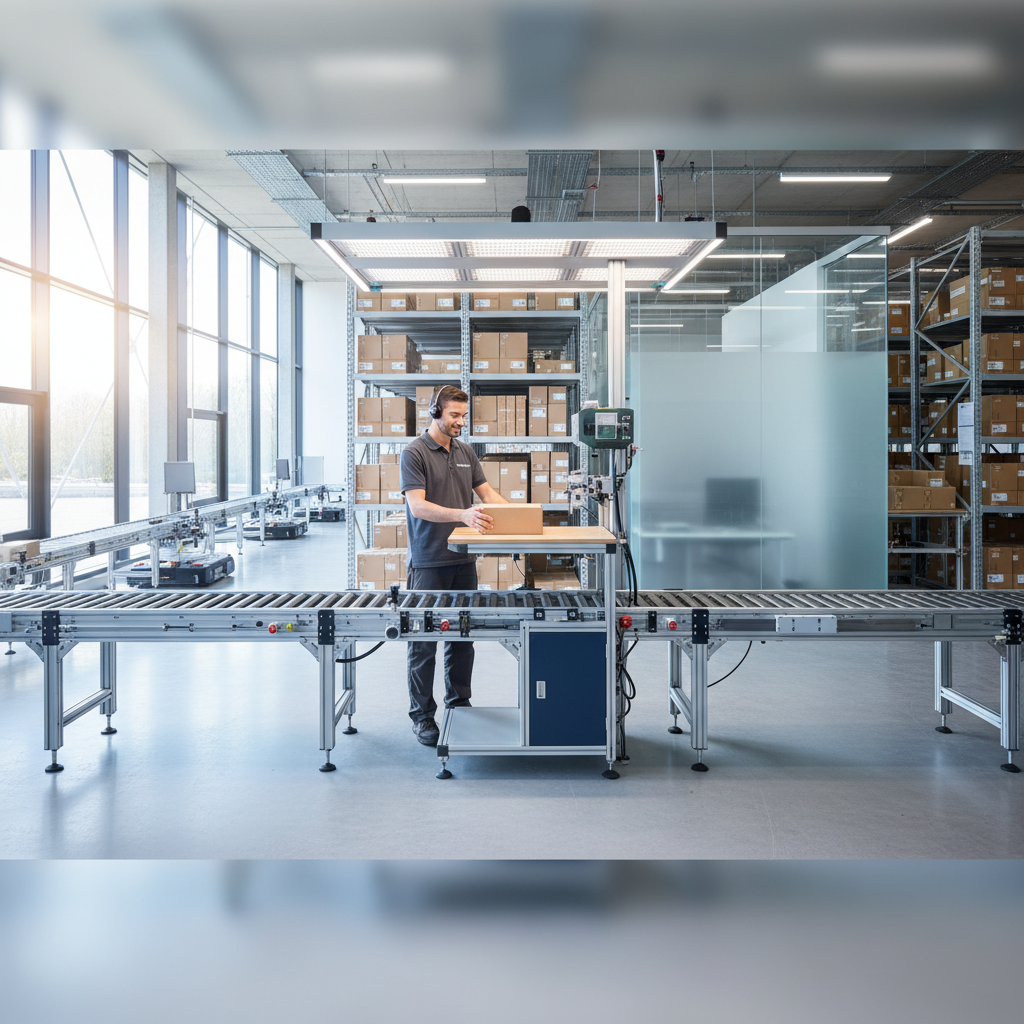
In the bustling logistics landscape of the Benelux, where every second and every movement counts, the design of conveyor systems is a cornerstone of productivity. However, focusing solely on throughput can overshadow a critical factor: the health and safety of the operators. Poorly designed workstations around conveyors are a leading cause of musculoskeletal disorders (MSDs) and accidents, leading to absenteeism, reduced morale, and significant costs. This guide provides a comprehensive framework for designing ergonomic and safe conveyor workstations, specifically tailored to the regulatory and operational context of Belgium, the Netherlands, and Luxembourg.
Definition
Conveyor system ergonomics is the science of designing the workplace and equipment to fit the operator, not the other way around. It aims to optimize the interaction between the worker and the conveyor system to enhance performance while minimizing physical strain, fatigue, and the risk of injury. This involves adjusting heights, reaches, layouts, and integrating safety mechanisms.
Key Numbers
| Metric | Typical range (EU 2026) | Notes |
|---|---|---|
| Ergonomic Working Height | 750 mm - 1,100 mm | Adjustable, depends on task (picking, packing, scanning). |
| Max Horizontal Reach | 450 mm | For frequently handled items to prevent overreaching. |
| Noise Level (MDR vs. Traditional) | <65 dB vs. 75-85 dB | MDR systems significantly reduce operator fatigue. |
| Investment in Ergonomic Features | €500 - €2,500 per station | Includes adjustable stands, anti-fatigue mats, task lighting. |
| Reduction in MSDs | 30% - 60% | Achievable within 2 years of implementing ergonomic redesigns. |
| Typical ROI for Ergonomic Upgrades | 1 - 3 years | Calculated from reduced absenteeism and increased productivity. |
| E-Stop Placement Interval | Every 10-15 m | Ensures an emergency stop is always within easy reach. |
The High Cost of Poor Ergonomics in Benelux Warehouses
In the European Union, MSDs account for three out of every five work-related health problems. For the logistics-heavy economies of the Benelux, this is a major concern. The costs are twofold: direct costs from medical expenses and insurance premiums, and indirect costs from lost productivity, high employee turnover, and the administrative burden of incident reporting. A single case of a work-related back injury can cost a company between €15,000 and €30,000, not including the impact on operational continuity. Proactive investment in ergonomics is not an expense; it's a critical business strategy for sustainable growth.
Regulatory Framework: EU and Benelux Standards
Conveyor systems fall under the EU Machinery Directive 2006/42/EC, which mandates that manufacturers and integrators perform a thorough risk assessment. This directive requires "inherently safe design" as the primary method of risk reduction. Key principles include:
- Risk Assessment: Identifying all potential hazards, from pinch points to trip hazards and repetitive strain.
- Protective Measures: Implementing physical guards, safety sensors (light curtains, laser scanners), and clearly marked emergency stops.
- User Information: Providing clear instructions, warnings, and training on the safe operation of the machinery.
Core Principles of Ergonomic Conveyor Workstation Design
Designing an ergonomic workstation involves a holistic approach that considers the task, the equipment, and the operator. The goal is to keep the operator within their "comfort zone" or "power zone"—the area where they can work with neutral postures, minimizing stress on the body.
1. The Golden Zone: Height and Reach
The single most important ergonomic factor is the working height. The conveyor surface should be at a height that allows operators to work with straight wrists and their elbows close to their body, bent at approximately 90 degrees. For picking tasks, this is typically elbow height. For tasks requiring more manual force, it might be slightly lower.
- Light Tasks (Scanning, Labeling): Conveyor height at or slightly above elbow height (approx. 950 - 1,100 mm).
- Medium Tasks (Picking/Placing boxes <5 kg): Conveyor height at elbow height (approx. 900 - 1,050 mm).
- Heavy Tasks (Lifting >5 kg): Conveyor height below elbow height (approx. 750 - 900 mm) to allow for power lifts using the legs.
2. Movement and Flow
A well-designed workstation minimizes unnecessary movements. This includes reducing twisting, turning, and excessive walking. Placing supply carts, waste bins, and packing materials in a logical arc around the operator can save seconds on every transaction, which adds up to significant productivity gains over a shift. For handling heavier items or navigating corners, a ball transfer table can provide a low-friction surface that dramatically reduces the physical effort required to pivot or reorient packages.
3. Reducing Repetitive Strain
Repetitive strain injuries (RSIs) are common among packing and picking staff. Using a belt conveyor system with zero-pressure accumulation (ZPA) technology is critical. ZPA allows items to queue on the conveyor without touching, eliminating the pressure and potential damage from items piling up. For the operator, it means items arrive smoothly and predictably, reducing the sudden, jerky movements often required to untangle a logjam of products. This controlled flow is essential for maintaining a steady, ergonomic work rhythm.
Comparative Table: Ergonomic Solutions for Conveyor Workstations
| Solution | Primary Ergonomic Benefit | Typical Cost (per station) | Best For |
|---|---|---|---|
| Adjustable Height Stands | Reduces back and shoulder strain by matching conveyor height to operator/task. | €800 - €2,000 | Workstations with multiple operators or varied tasks. |
| Anti-Fatigue Matting | Reduces leg and lower back fatigue from standing on hard surfaces. | €100 - €300 | All static workstations where operators stand for >2 hours. |
| Task Lighting | Reduces eye strain and errors by improving visibility. | €150 - €400 | Detailed work like quality control, labeling, or reading documents. |
| Tilting Mechanisms / Stands | Presents items at an angle to reduce neck and back bending. | €1,200 - €3,000 | Picking from totes, kitting operations. |
| Zero-Pressure Accumulation Conveyor | Reduces physical and mental stress by creating a smooth, predictable product flow. | €400 - €700 per meter | Packing stations, sortation induct lines, assembly lines. |
Integrating Safety Technology
Modern conveyor systems must have multiple layers of safety built in. While physical guards around drive motors and chain sections are standard, advanced electronic safety is now the norm.
Essential Safety Components
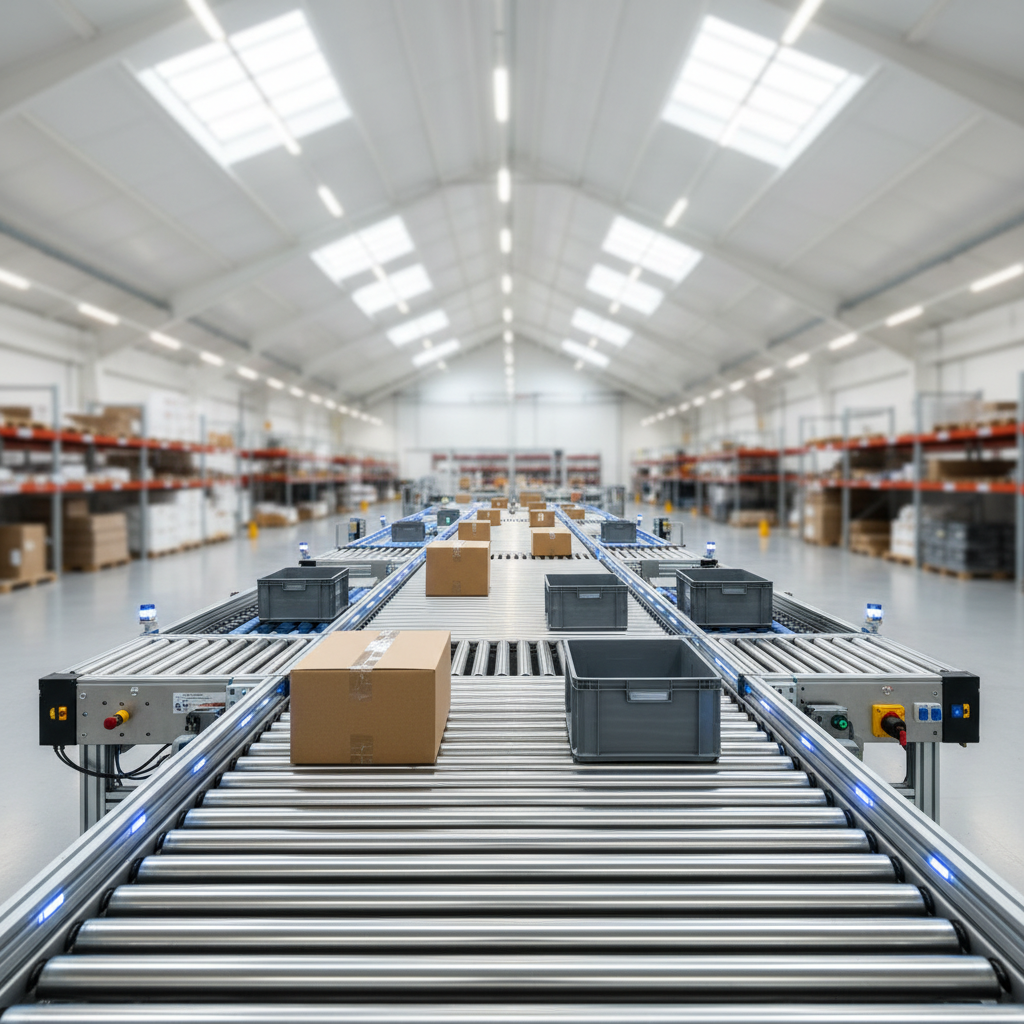
- Emergency Stop Buttons (E-Stops): Large, red, mushroom-head buttons placed at regular intervals (e.g., every 10 meters) and at every operator station. When pressed, they should immediately cut power to the entire conveyor zone.
- Pull Cords: A cable running the length of the conveyor that functions as a continuous emergency stop, essential for long stretches of conveyor where an E-stop button may not be immediately accessible.
- Light Curtains and Area Scanners: These create an invisible safety field around hazardous areas, such as pallet lifts, spiral conveyors, or robotic interfaces. If the beam is broken, the system immediately stops, preventing access while parts are in motion.
- Motorized Drive Roller (MDR) Technology: MDR systems are inherently safer as they are powered by low-voltage (24V) DC electricity, eliminating high-voltage risks along the line. Their modular, zoned nature also means only small sections of the conveyor are powered at any time.
Easy Systems: Your Partner for Safe and Ergonomic Conveyor Solutions
At Easy Systems, we believe that operational efficiency and employee well-being are two sides of the same coin. As a leading Benelux manufacturer and integrator of modular conveyor systems, we place ergonomics and safety at the core of our design philosophy. Our expertise extends from specifying the correct working heights to integrating sophisticated safety PLCs and sensors that meet and exceed EU standards. We specialize in modular solutions, from simple roller conveyors to advanced MDR systems, that can be configured to the unique needs of your space and your people. We don't just sell conveyors; we partner with you to analyze your workflow, identify ergonomic risks, and engineer a system that is safe, efficient, and built for the future. By choosing Easy Systems, you are investing in a trusted partner dedicated to building productive and humane workplaces across the Benelux.
Frequently asked questions
What is the ideal working height for a packing conveyor in the Benelux?+
The ideal height depends on the task and operator, but a general range is 900 mm to 1,050 mm. For optimal ergonomics, adjustable-height conveyors are recommended to accommodate different workers and tasks, ensuring they can work with a neutral posture, which can reduce strain-related injuries by up to 40%.
Are anti-fatigue mats really effective for conveyor workstations?+
Yes, they are highly effective. Standing on hard concrete floors for an 8-hour shift causes significant fatigue. High-quality anti-fatigue mats provide micro-movements of the leg muscles, which improves blood flow and can reduce lower back and leg pain by over 50%. The investment is typically less than €300 per station.
What are the key safety features required by the EU Machinery Directive?+
The Machinery Directive 2006/42/EC requires an inherent safe design. Key features include physical guarding of all moving parts (pinch points), clearly accessible emergency stops (e-stops), and often electronic safety like light curtains for high-risk zones. A mandatory risk assessment must be performed for every system.
How does a Zero-Pressure Accumulation (ZPA) conveyor improve ergonomics?+
ZPA conveyors prevent products from piling up by creating buffer zones. This provides a smooth, predictable flow of items to the operator. It eliminates the physical strain and sudden movements required to separate jammed items and reduces mental stress, allowing for a calmer, more rhythmic, and safer work pace.
Can ergonomic improvements to conveyor systems really increase productivity?+
Absolutely. A comfortable worker is a more focused and efficient worker. By reducing physical strain and fatigue, ergonomic designs can decrease error rates by 10-20% and increase overall throughput by 5-15%. The reduction in absenteeism and employee turnover further adds to the positive financial impact.

The Easy Systems editorial desk reviews and fact-checks every Conveyor-Design article against Benelux project experience. Editors translate engineering decisions — throughput, peak factors, layout, integration — into plain-language guides for operations managers, project leads and decision-makers.
- Warehouse layout & slotting
- Order-profile analysis
- Vendor-neutral comparison
- Benelux logistics market