Ergonomics and Safety for Conveyor Systems: Benelux Guidelines
A practical guide to conveyor system ergonomics and safety for warehouses in Belgium, the Netherlands, and Luxembourg. Learn how to comply with EU directives, reduce workplace injuries, and improve operational efficiency with concrete, actionable tips.
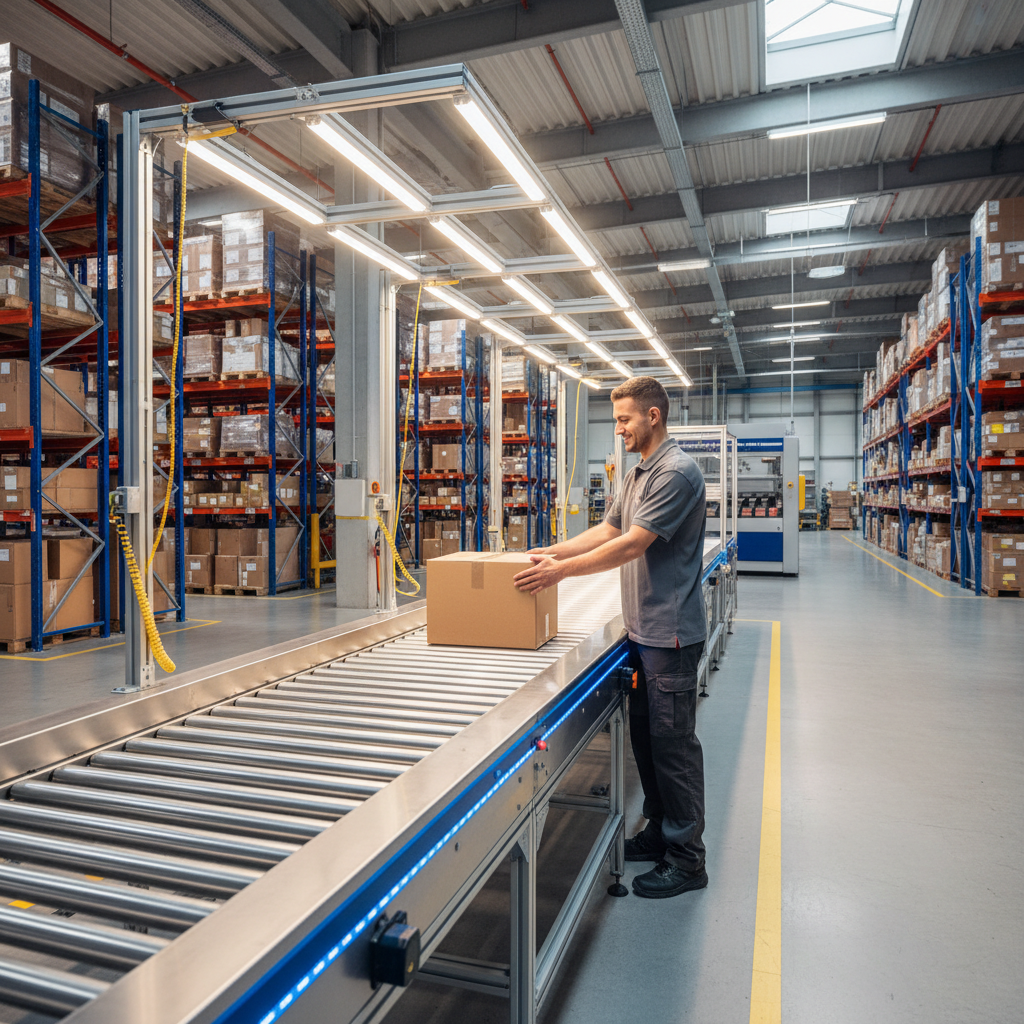
In the high-speed logistics landscape of the Benelux, conveyor systems are the arteries of any modern warehouse or distribution center. However, the relentless pace of operations often overshadows two critical factors: ergonomics and safety. Neglecting these can lead to significant costs from workplace injuries, regulatory fines, and decreased productivity. This article provides practical, actionable guidelines for warehouse managers in Belgium, the Netherlands, and Luxembourg to create a safer, more ergonomic, and ultimately more efficient conveyor environment.
Definition
Conveyor system ergonomics and safety refer to the design and operational practices aimed at minimizing physical strain and accident risks for employees working with or near conveyors. It involves adapting the equipment and work environment to the worker's capabilities, ensuring compliance with legal standards like the EU Machinery Directive to prevent injuries and enhance overall system performance.
Key Numbers
| Metric | Typical Range (Benelux 2026) | Notes |
|---|---|---|
| Working Height (Manual Handling) | 90 cm - 110 cm | Adjustable height is ideal to accommodate different user statures. |
| Noise Level at Workstation | 60 - 70 dB(A) | Below the 80 dB(A) EU action level to prevent hearing damage. |
| Lighting Level (Picking/Packing Zone) | 300 - 500 lux | Ensures visibility and reduces errors and eye strain. |
| Investment in Safety Guarding | €150 - €500 per meter | Cost for physical barriers, light curtains, or laser scanners. |
| Typical ROI on Ergonomic Upgrades | 1.5 - 3 years | Achieved through reduced absenteeism, lower insurance premiums, and higher productivity. |
| Conveyor Speed (Manual Interaction) | 0.3 m/s - 0.7 m/s | Allows operators to keep pace without rushing or making risky movements. |
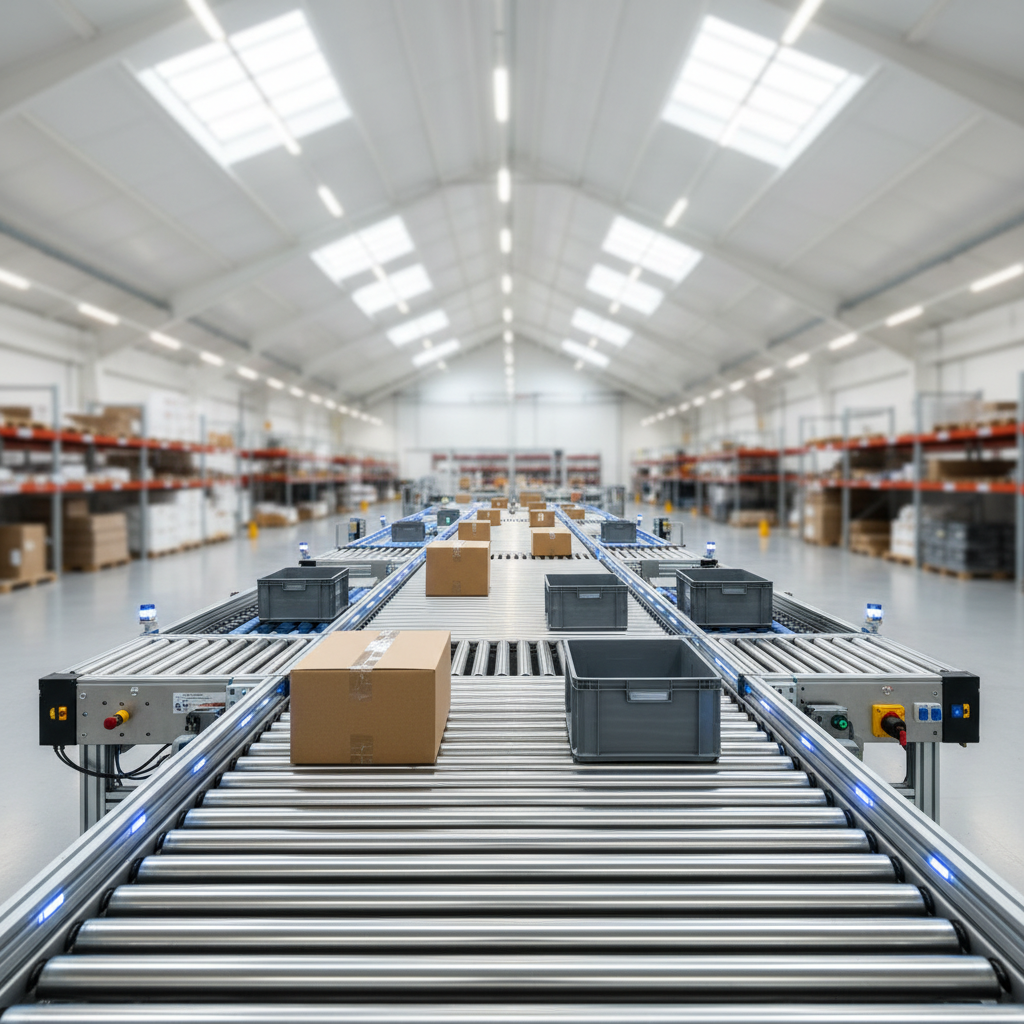
| Emergency Stop Actuators | Every 15-20 meters | Ensures an E-stop is always within reach along the conveyor line. |
EU & Benelux Regulatory Framework: A Practical Overview
Compliance is non-negotiable. For conveyor systems in the Benelux, several key European directives and standards form the legal backbone of safety. The most important is the Machinery Directive 2006/42/EC, which mandates that all machinery placed on the market must meet essential health and safety requirements. For conveyor systems, this is further specified by harmonized standards, primarily EN 619:2002+A1:2010 ("Continuous handling equipment and systems - Safety and EMC requirements").
Key Requirements under EN 619:
- Guarding: All moving parts, such as rollers, chains, and belts, must be adequately guarded to prevent contact. This includes nip points (where a belt runs over a pulley) and shear points.
- Emergency Stops: E-stops (pull-cords or push-buttons) must be clearly visible, identifiable, and readily accessible along the length of the conveyor.
- Electrical Safety: Compliance with EN 60204-1 is required, covering aspects like proper insulation, grounding, and protection against electric shock.
- Risk Assessment: A documented risk assessment must be performed by the manufacturer or integrator to identify and mitigate all potential hazards.
In addition to these, the Work Equipment Directive (2009/104/EC) requires employers to ensure that the work equipment provided to employees is safe and appropriate for the task. This means that even if a conveyor was compliant when purchased, the end-user (the warehouse operator) is responsible for its ongoing safe use, including training, maintenance, and regular inspections.
Core Ergonomic Principles for Conveyor Workstations
Good ergonomics is not a luxury; it's a direct driver of productivity. Musculoskeletal disorders (MSDs) from repetitive strain, awkward postures, and heavy lifting are a leading cause of absenteeism in the logistics sector. A well-designed workstation minimizes this risk.
1. The "Strike Zone" Principle
The ideal height for handling items is between the knuckles and the shoulders—often called the "power zone" or "strike zone". For conveyor workstations, this translates to specific heights:
- For standing tasks (picking, packing): The conveyor surface should be adjustable, typically between 90 cm and 110 cm. This allows operators to maintain a neutral spine posture.
- For heavy items (>15 kg): Consider lowering the conveyor height or using lift-assist devices. The optimal height for lifting heavy objects is lower, around 70-90 cm.
2. Reducing Reach and Awkward Postures
Excessive reaching is a major ergonomic hazard. Conveyor width becomes a critical factor. For manual picking or placing, the conveyor should not be so wide that operators have to extend their arms fully to reach items on the other side. A maximum reach of 45-50 cm is a good guideline. Where wider conveyors are necessary, ensure access from both sides or implement automated diverters. Using ball transfer tables can also help operators easily rotate and position heavy packages without twisting their bodies.
3. Minimizing Repetitive Motion Strain
Tasks that involve repetitive wrist or arm movements (e.g., scanning, labeling) are high-risk. Varying tasks throughout a shift is a key organizational measure. From an equipment perspective, using automated print-and-apply labelers or hands-free barcode scanners can drastically reduce strain. Integrating technologies like pick-to-light or voice-picking systems can also guide operators efficiently, reducing the mental load and physical hesitation that can lead to awkward movements.
Practical Safety Measures Beyond Guarding
While machine guarding is fundamental, a truly safe system involves a multi-layered approach that includes operational protocols and advanced technology. The goal is to create a system that is inherently safe, even when human error occurs.
Controlling Conveyor Speed
The speed of a belt conveyor or roller conveyor where manual interaction occurs must be carefully controlled. A speed of 0.3 to 0.7 m/s is generally considered safe for picking, packing, and sorting tasks. For pallet handling systems, speeds are typically lower. Modern systems use variable frequency drives (VFDs) to adjust speeds based on product flow, which not only improves safety but also saves energy.
Implementing Zero-Pressure Accumulation
A major source of injury and product damage is uncontrolled accumulation, where packages slam into each other. Zero-pressure accumulation (ZPA) technology creates buffer zones on the conveyor, ensuring that packages never touch. Each zone is controlled by a sensor and its own Motorized Drive Roller (MDR). When a zone is occupied, the upstream zone automatically stops. This prevents crushing hazards for operators trying to clear a jam and protects valuable goods.
Comparing Conveyor Safety Technologies
| Technology | Primary Function | Typical Cost (per zone/unit) | Best For |
|---|---|---|---|
| Physical Guarding (Mesh/Polycarbonate) | Prevents physical access to moving parts | €150 - €300 / meter | Exposed drive trains, chain conveyors, and underside of belt conveyors. |
| Light Curtains | Creates an invisible barrier; stops the system if crossed | €800 - €2,500 | Pallet loading/unloading zones, robotic cell access points. |
| Emergency Pull-Cord | Allows immediate shutdown from any point along the line | €50 - €100 / 10 meters | Long assembly lines or sorting conveyors where operators are mobile. |
| Zero-Pressure Accumulation (ZPA) | Prevents package collision and related jam-clearing hazards | €200 - €400 / zone | High-throughput systems for parcels, totes, or cases; essential for e-commerce. |
The Importance of the Sensory Environment: Noise and Light
Ergonomics extends beyond just physical posture. The surrounding environment significantly impacts worker well-being and performance.
Acoustic Management
Conveyor systems, especially those with many traditional motors and metal rollers, can be noisy. The EU directive on noise at work (2003/10/EC) sets exposure action levels at 80 dB(A). Sustained noise above this level requires hearing protection and health surveillance. The goal should be to design systems that operate below 70 dB(A). This can be achieved by:
- Using MDR (Motorized Drive Roller) technology, which is significantly quieter than traditional belt-driven systems.
- Opting for polyurethane-coated rollers instead of steel.
- Enclosing particularly noisy sections like pneumatic diverters.
Warehouse Illumination
Poor lighting leads to mistakes, eye strain, and trip-and-fall incidents. General warehouse lighting might be 150-200 lux, but at conveyor workstations where tasks require detail (reading labels, inspecting items), the lighting level should be 300 to 500 lux. Using energy-efficient LED lighting directed at the task area is a cost-effective way to improve both safety and accuracy.
Creating a Culture of Safety: Training and Maintenance
The most advanced safety features are only effective if they are maintained and respected. A robust safety culture is built on two pillars: comprehensive training and disciplined maintenance.
Employee training should go beyond a one-time orientation. It must be ongoing and cover:
- Hazard Identification: Training staff to recognize nip points, shear points, and other hazards.
- Correct Usage: No loose clothing, long hair tied back, and no climbing on or under conveyors.
- Lockout/Tagout (LOTO) Procedures: The critical process for de-energizing a conveyor before maintenance or clearing a major jam.
- Emergency Procedures: Knowing the location and proper use of all E-stops.
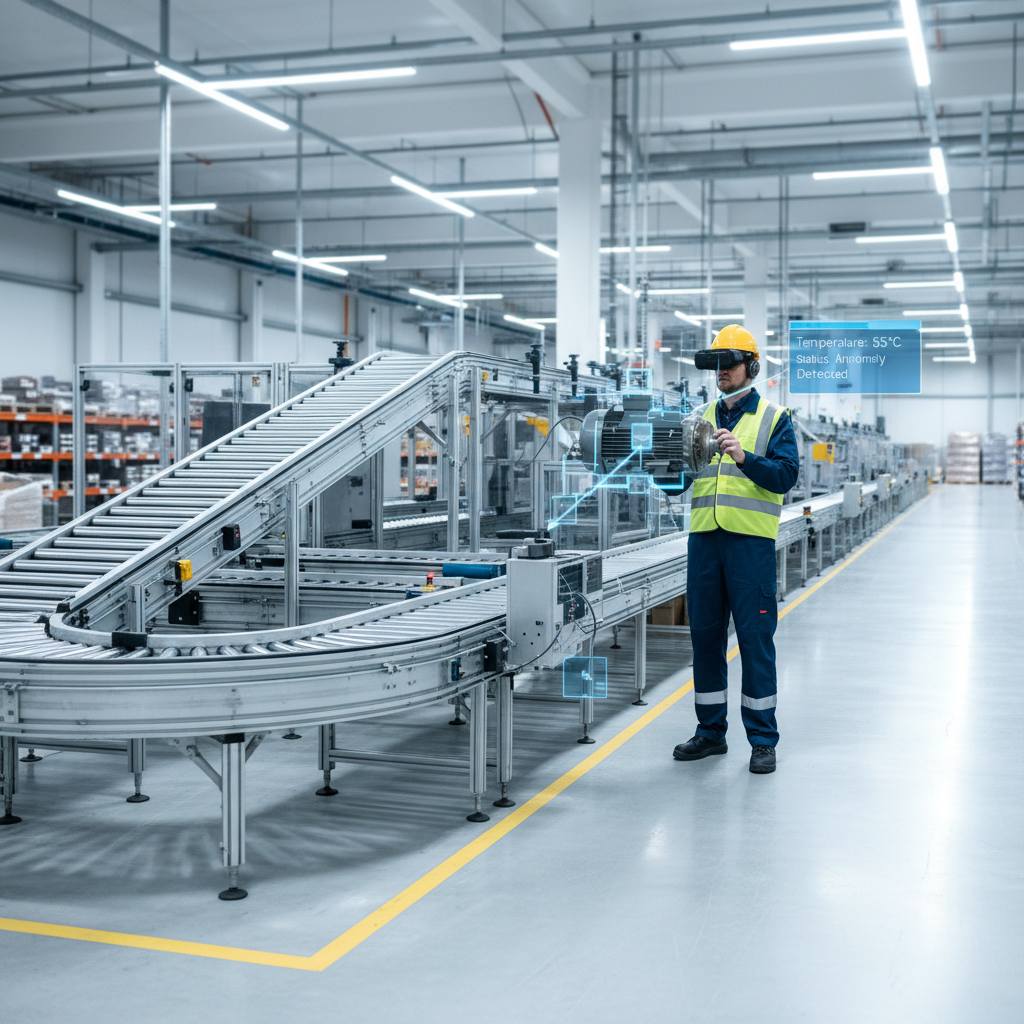
A proactive maintenance schedule is equally vital. This includes daily checks of sensors and E-stops, weekly inspection of belt tension and tracking, and monthly lubrication of bearings. Proactive maintenance doesn't just prevent accidents; it extends the life of the equipment and prevents costly unplanned downtime. Many businesses find that as they expand, their operational processes struggle to keep up with the increased demand, leading to safety and efficiency bottlenecks. As highlighted in a recent analysis, companies grow, but their processes don't always grow with them, making scalable safety and ergonomic design a critical investment.
Easy Systems: Your Partner for Safe and Ergonomic Conveyor Solutions
At Easy Systems, we design and implement conveyor solutions with safety and ergonomics at their core. Based in the Benelux, we have a deep understanding of the region's operational demands and regulatory landscape. Our modular conveyor systems, powered by quiet and efficient 24V MDR technology, are designed to be inherently safe and easily adaptable to your specific ergonomic requirements. From initial risk assessment to the final installation of CE-compliant guarding and control systems, we provide turnkey solutions that protect your people and boost your productivity. We don't just sell conveyors; we build the logistical backbone for a safe and efficient future.
Frequently asked questions
What is the best height for a conveyor belt for packing?+
The ideal height for a conveyor belt at a packing station is between 90 cm and 110 cm from the floor. This ergonomic range allows most operators to work with a neutral spine posture, reducing back strain. For heavier items over 15 kg, a slightly lower height of 70-90 cm may be more appropriate to facilitate safer lifting.
How do you reduce noise from a conveyor system?+
To reduce conveyor noise, focus on the drive technology and materials. Switching from traditional AC motors to 24V Motorized Drive Rollers (MDR) can lower noise levels by 5-10 dB. Additionally, using polyurethane-coated rollers instead of steel and enclosing pneumatic components can help keep the ambient noise below the recommended 70 dB(A) threshold.
What are the key EU safety standards for conveyors?+
The primary safety standard for conveyor systems in the EU is EN 619:2002+A1:2010, which falls under the umbrella of the Machinery Directive 2006/42/EC. It mandates essential requirements for guarding, emergency stops, electrical safety, and risk assessment to ensure equipment is inherently safe for operation.
How much does it cost to make a conveyor system safer?+
The cost of safety upgrades varies. Basic physical guarding can cost between €150 and €300 per meter. More advanced features like light curtains for palletizer access can range from €800 to €2,500 per installation. Implementing zero-pressure accumulation technology typically costs €200-€400 per zone but provides significant ROI through damage reduction and safety.
What is Zero-Pressure Accumulation (ZPA)?+
Zero-Pressure Accumulation (ZPA) is a conveyor technology that creates buffer zones to prevent packages from touching each other. Using sensors and motorized rollers, it stops upstream zones when a downstream zone is full. This prevents product damage, reduces jams, and eliminates the risk of operators getting their hands caught while trying to clear blockages, improving safety by over 50% in accumulation areas.

The Easy Systems engineering team designs, integrates and commissions conveyor systems and warehouse automation across Belgium, the Netherlands and Luxembourg. Combined experience covers roller and belt conveyors, sorters, AGV/AMR fleets, AutoStore, shuttle AS/RS and WMS/WCS integration for distribution centers and e-commerce fulfillment operations.
- Conveyor design (roller, belt, modular plastic)
- Sortation & merge logic
- AGV / AMR fleet integration
- AutoStore & shuttle AS/RS
- WMS / WCS integration