Circularity in Conveyor Systems: Design for Disassembly & Reuse
This article explores how applying circular economy principles to conveyor systems through 'Design for Disassembly and Reuse' can reduce waste, lower lifecycle costs, and enhance operational flexibility in the Benelux logistics sector. Discover key strategies for sustainable warehouse automation.
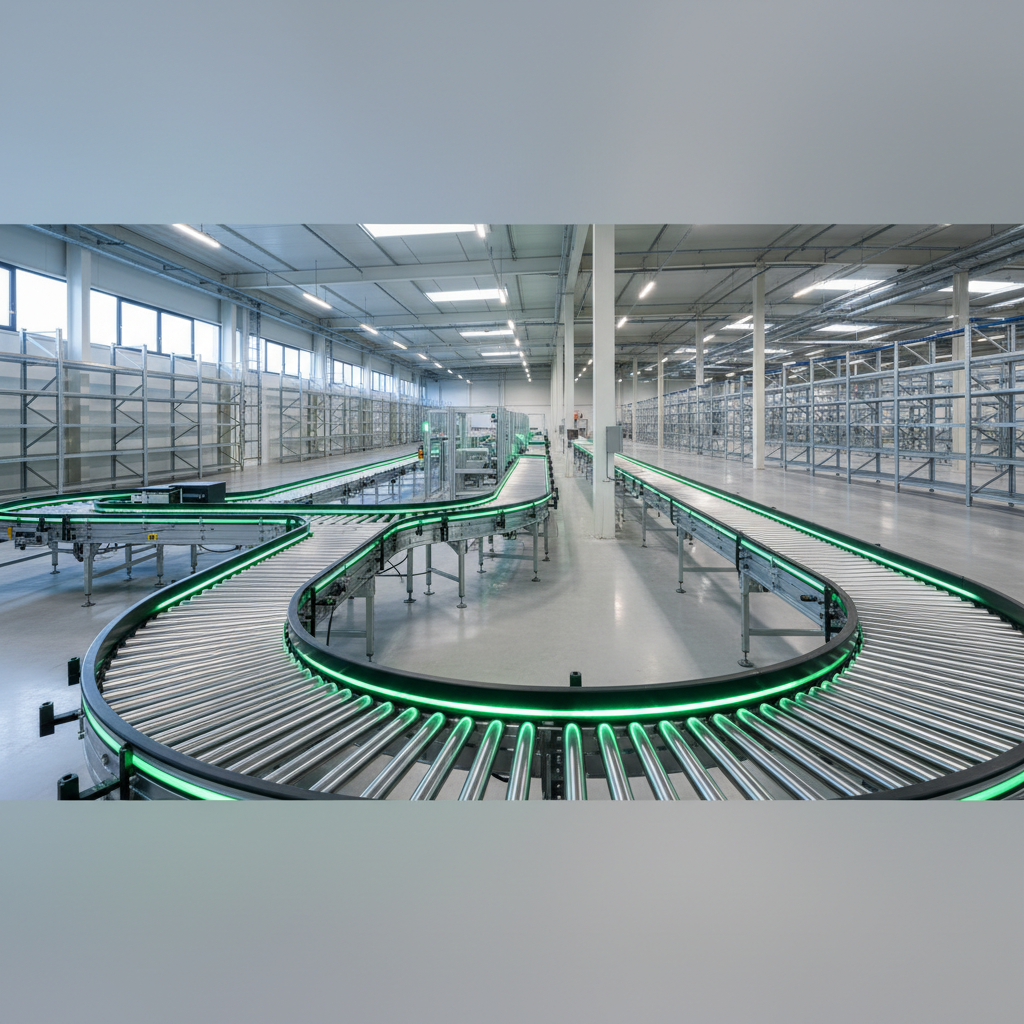
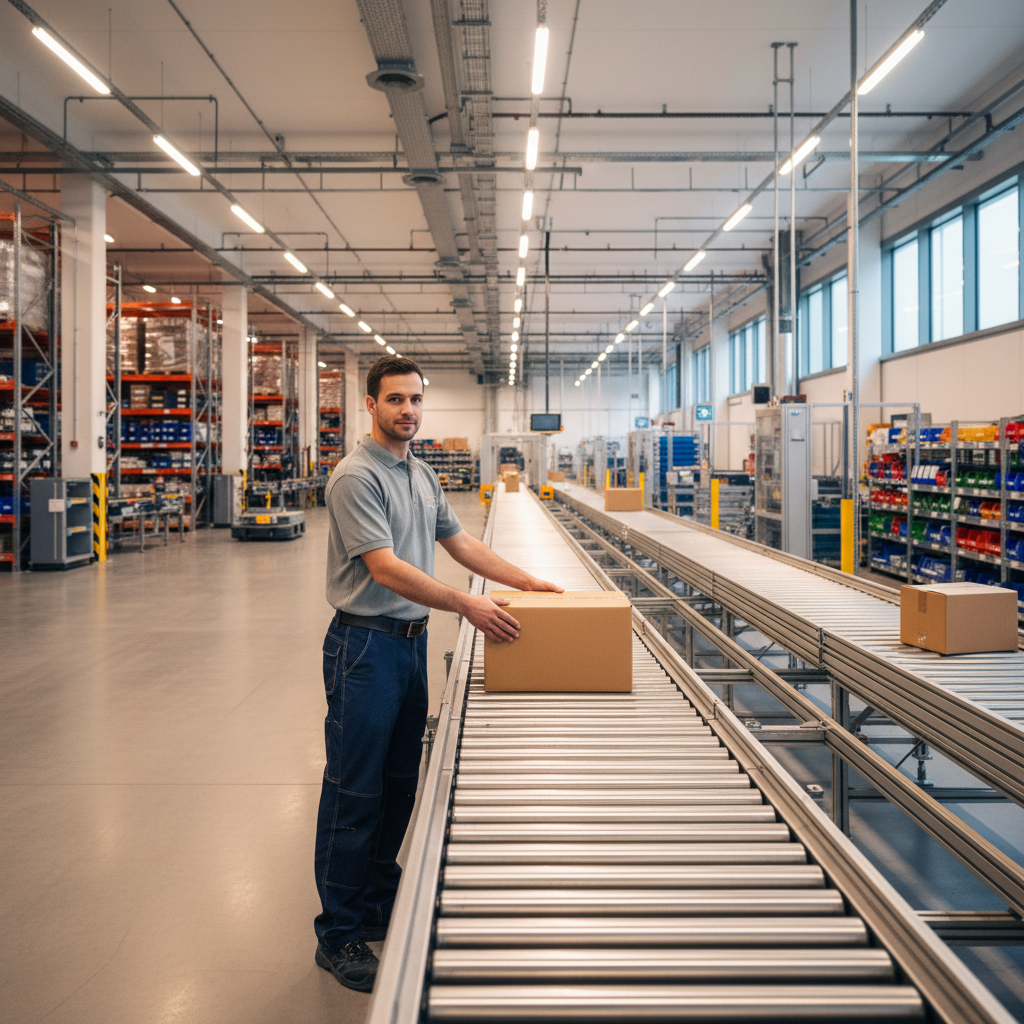
In the high-stakes, fast-paced logistics landscape of the Benelux, efficiency and sustainability are no longer competing priorities; they are intertwined necessities. As companies face mounting pressure from regulations like the EU Green Deal and increasing consumer demand for sustainable practices, the entire lifecycle of warehouse assets is under scrutiny. This is especially true for material handling equipment. The traditional "take-make-dispose" model for conveyor systems is giving way to a more intelligent, profitable, and responsible approach: the circular economy, realized through Design for Disassembly and Reuse.
Definition
Design for Disassembly and Reuse (DfDR) is an engineering philosophy that treats the end-of-life stage of a product as a key design driver. In the context of conveyor systems, it means intentionally designing them with standardized, modular components and accessible fasteners to simplify maintenance, reconfiguration, component harvesting, and recycling. This approach preserves the economic value of modules and materials, minimizing waste and extending the system's useful life indefinitely.
The Business Case for Circularity in Benelux Logistics
The Benelux region, with its dense logistics network and progressive environmental policies, is a fertile ground for the circular economy. For warehouse and distribution center operators, adopting a circular model for conveyor systems is not just an environmental statement but a strategic business decision. The drivers are clear:
- Regulatory Compliance: The European Union's Circular Economy Action Plan puts direct pressure on industries to reduce waste and increase product lifespan. Designing for disassembly is a proactive step towards compliance and avoids future penalties.
- Cost Reduction: While the initial investment might be slightly higher, the Total Cost of Ownership (TCO) is significantly lower. Savings come from reduced disposal fees, the ability to reuse components in new layouts, and lower-cost repairs using interchangeable parts.
- Enhanced Flexibility: Market demands are volatile. A modular system designed for disassembly allows a facility to scale up, scale down, or reconfigure its material flow with minimal downtime and capital expenditure. An entire line can be re-tasked in a different part of the facility in days, not weeks.
- Supply Chain Resilience: The ability to harvest and reuse components like motors, sensors, and structural elements from retired lines creates an internal source of spare parts, reducing dependency on external supply chains and their associated lead times.
Core Principles of Circular Conveyor Design
Achieving circularity is not an accident; it is a result of deliberate design choices. Several core principles underpin a conveyor system designed for disassembly.
Modularity and Standardization
Modularity is the cornerstone of circular design. Instead of a single, monolithic system, the conveyor is an assembly of pre-engineered, standardized blocks. This includes standard lane widths (e.g., 600 mm, 800 mm), defined module lengths (e.g., 2,000 mm sections), and uniform connection interfaces. This standardization ensures that a roller conveyor section from one part of the facility can be seamlessly integrated elsewhere, or that a belt module can be easily swapped out for repair without affecting the adjacent hardware.
Material Selection and Traceability
The choice of materials is critical. The ideal materials are durable, non-toxic, and easily recyclable. High-grade steel and aluminum are preferable to complex plastic composites that are difficult to separate and recycle. Furthermore, components should be clearly marked with material identification codes. The ultimate goal is a "material passport" for each conveyor module, detailing its composition and providing a basis for its next life-cycle. Even components like a modular plastic belt can be sourced from manufacturers who use recycled content and provide take-back programs.
Smart Fasteners and Accessibility
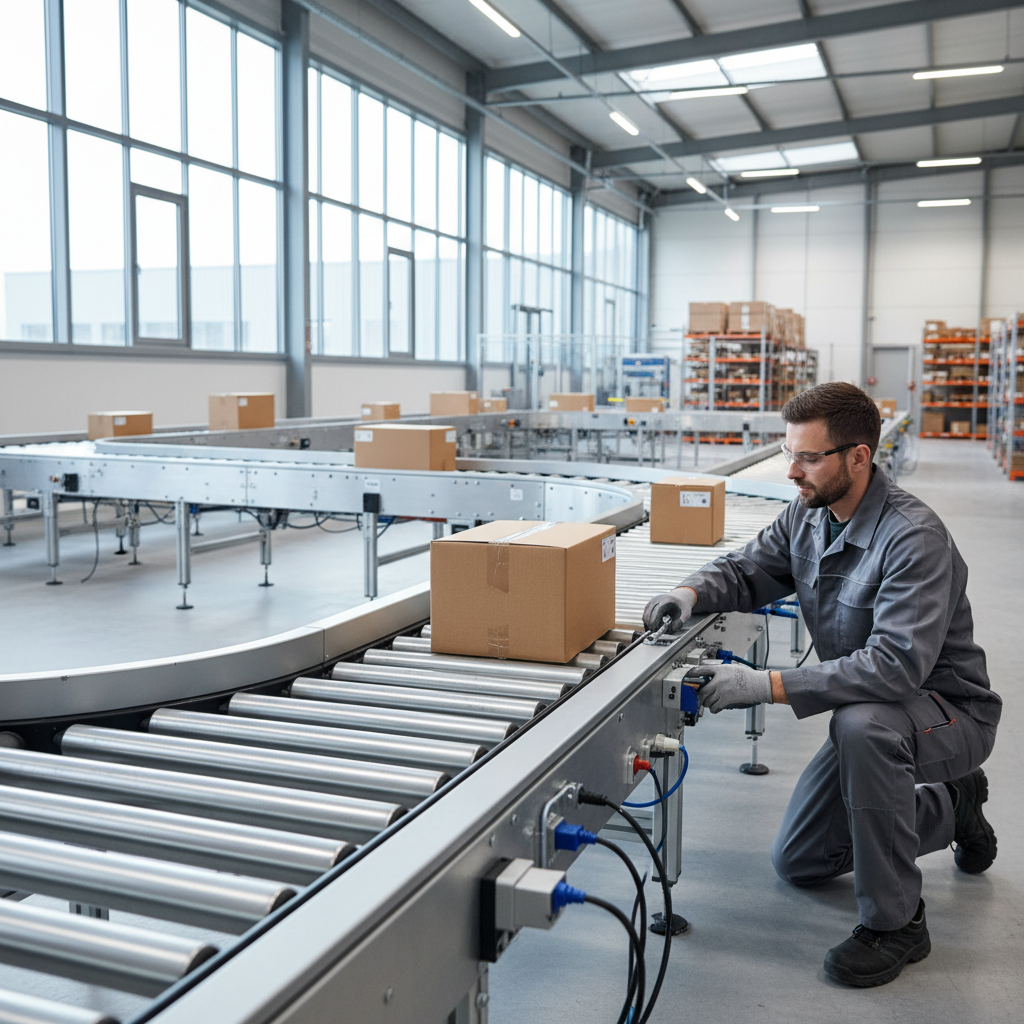
The enemy of disassembly is the permanent bond. Welded frames, proprietary fasteners, and single-use rivets create barriers to efficient reuse. Circular design favors bolted connections using standard metric hardware. Critical components like drive motors, gearboxes, and the PLC control cabinet should be placed in easily accessible locations, allowing for quick removal without having to dismantle the entire structure. This simple design choice can reduce maintenance time from hours to minutes.
Comparative Analysis: Linear vs. Circular Conveyor Lifecycle
The long-term value of a circular approach becomes evident when comparing it to a traditional linear model. The focus shifts from minimizing upfront cost to optimizing lifecycle value.
| Metric | Linear Design (Traditional) | Circular Design (DfD) |
|---|---|---|
| Initial Investment | €80,000 (Optimized for lowest CapEx) | €95,000 (Higher quality materials, modular design) |
| Maintenance & Repair | High; relies on new spare parts, longer downtime for custom repairs. | Low; standardized spare parts are interchangeable, faster swaps. |
| Reconfiguration Cost | Very High; often requires scrapping existing sections and fabricating new ones. | Low; modules can be unlocked, moved, and re-laid with minimal new parts. |
| End-of-Life Value (Year 10) | ~€2,500 (Scrap metal value minus disposal/labor costs) | ~€25,000+ (Value of reusable motors, modules, frames, and controls) |
| Total Cost of Ownership (TCO) | High | Significantly Lower |
From Theory to Practice: A Phased Implementation
Shifting to a circular model doesn't require a complete overhaul overnight. It can be a phased approach. Start by specifying DfD principles for new expansion projects or for specific, high-wear sections of your operation. Engage with suppliers who understand and champion modular design. As your organization grows and processes evolve, the limitations of a rigid, linear system often become a bottleneck. As detailed in a recent analysis, many companies find their processes can't keep up with their growth—a problem that modular, reconfigurable systems directly address. When considering your next upgrade, a comprehensive resource like our guide to roller conveyors can provide a solid foundation for making informed, circular-minded decisions.
The Future is Service-Based: Conveyor-as-a-Service
The circular economy also opens the door for new business models. The concept of "Conveyor-as-a-Service" (CaaS) is gaining traction, where a facility pays for material flow (e.g., per item moved or per operational hour) instead of owning the physical equipment. In this model, the manufacturer retains ownership and, therefore, is highly incentivized to design for longevity, easy maintenance, and end-of-life value recovery. This aligns the goals of both the user and the manufacturer towards maximum uptime and sustainability.
Easy Systems: Your Partner in Circular Conveyor Design
At Easy Systems, we believe the future of logistics is modular, flexible, and circular. Our philosophy is built on the principles of Design for Disassembly. We engineer our conveyor systems not as disposable assets, but as long-term investments in your operational efficiency. Our standardized components, robust construction, and intelligent design ensure that your material handling system can evolve with your business. For companies in the Benelux looking to build resilient, cost-effective, and sustainable warehouse operations, partnering with an expert in modular design is the first step. We provide the systems and expertise to turn the promise of the circular economy into a tangible competitive advantage.
Frequently asked questions
What is 'Design for Disassembly' in conveyor systems?+
Design for Disassembly (DfD) is an engineering approach where conveyor systems are intentionally created with modularity, standardized parts, and accessible fasteners. This simplifies repairs, reconfiguration, and the harvesting of components for reuse or recycling at the end of the system's life.
Is a circular conveyor system more expensive upfront?+
The initial capital expenditure (CapEx) for a modular system designed for disassembly can be slightly higher, typically 10-20%, due to higher-grade materials and engineering. However, the Total Cost of Ownership (TCO) is significantly lower due to reduced maintenance, reconfiguration, and end-of-life disposal costs.
Which materials are best for a recyclable conveyor system?+
The best materials are highly durable and easily recyclable. Powder-coated steel and anodized aluminum are excellent for frames and supports. For belting, options like recyclable thermoplastic polyurethane (TPU) or modular belts from manufacturers with take-back programs are preferable to PVC or complex rubber composites.

The Easy Systems editorial desk reviews and fact-checks every Conveyor-Design article against Benelux project experience. Editors translate engineering decisions — throughput, peak factors, layout, integration — into plain-language guides for operations managers, project leads and decision-makers.
- Warehouse layout & slotting
- Order-profile analysis
- Vendor-neutral comparison
- Benelux logistics market