AI in Predictive Maintenance for Conveyor Systems in the Benelux
AI-driven predictive maintenance is transforming conveyor system reliability in the Benelux, leveraging sensor data to foresee failures. This approach can reduce unexpected downtime by over 40% and lower maintenance expenditures by 25%, ensuring smoother warehouse operations.
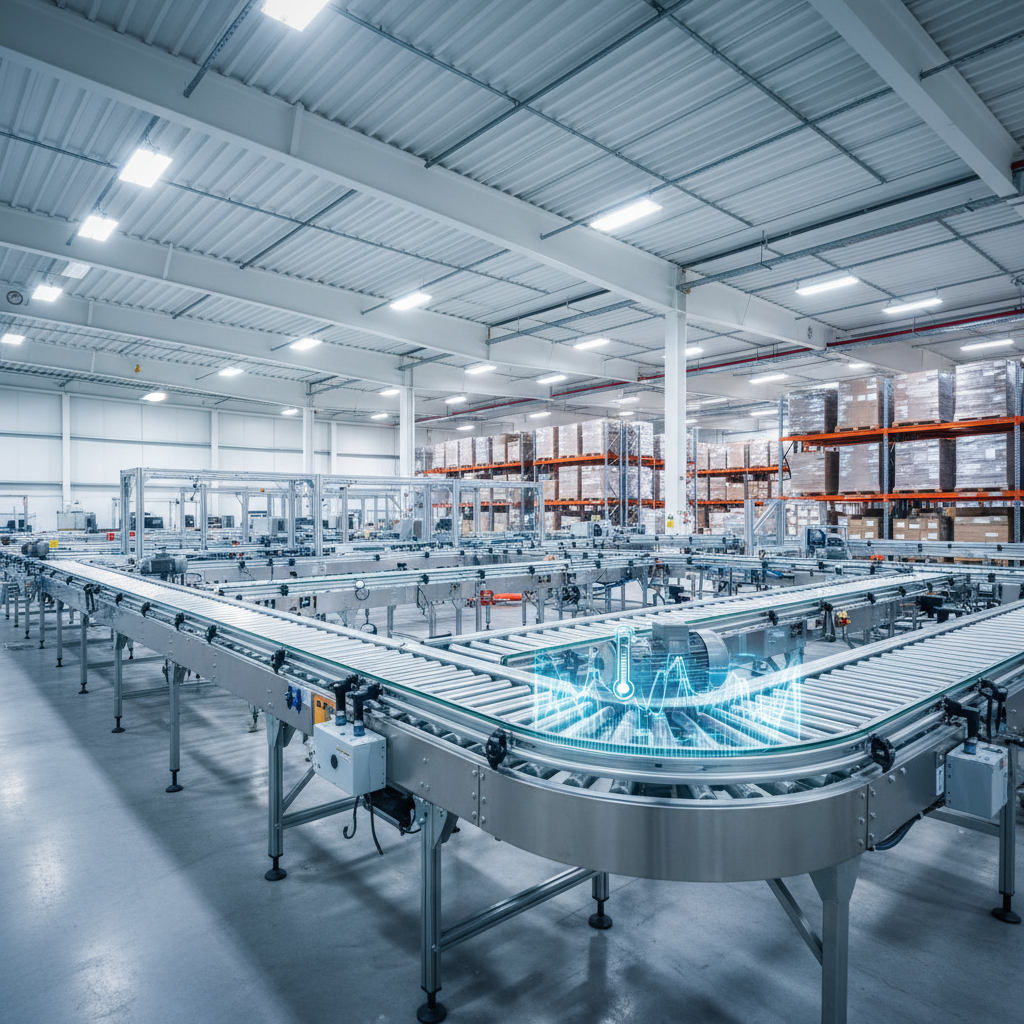
In the high-stakes logistics landscape of the Benelux—a pivotal European trade hub—the reliability of conveyor systems is non-negotiable. Every minute of unplanned downtime translates to thousands of euros in lost revenue and reputational damage. While traditional maintenance schedules have served their purpose, they are increasingly inadequate for the complex, 24/7 demands of modern e-commerce and distribution centers. Enter Artificial Intelligence (AI) and Machine Learning (ML), the core technologies powering predictive maintenance (PdM) and transforming how warehouse managers approach asset health.
Definition
Predictive Maintenance (PdM) for conveyor systems is an advanced, proactive strategy that uses data analysis tools and AI-driven techniques to detect anomalies in operation and predict potential equipment failures before they occur. Unlike time-based preventive maintenance, PdM focuses on the actual condition of the asset to determine the optimal moment for maintenance intervention.
Key Numbers
| Metric | Typical range (EU 2026) | Notes |
|---|---|---|
| Downtime Reduction | 30-50% | Compared to reactive maintenance strategies. |
| Maintenance Cost Reduction | 15-30% | Achieved by optimizing labor, reducing unnecessary parts replacement. |
| Prediction Accuracy | 85-95% | For common failures like bearing wear or motor faults. |
| ROI Period | 12-24 months | Dependent on the scale of the operation and initial investment. |
| Sensor/Gateway Cost | €50 - €300 per measuring point | Cost for industrial-grade vibration, temperature, or current sensors. |
| EOL Component Lifespan Increase | 20-40% | By avoiding premature replacement of healthy components. |
Why Traditional Maintenance Falls Short
For decades, maintenance strategies were split into two camps: reactive ("fix it when it breaks") and preventive ("fix it every X hours/months"). Reactive maintenance is a recipe for disaster in automated logistics, causing extensive, unpredictable downtime. Preventive maintenance, while better, is inefficient. It often leads to the unnecessary replacement of perfectly good components, wasting resources and introducing risk through excessive human intervention. A typical preventive check might take a technician 2 hours per conveyor section, but if the component was healthy, that time and cost are essentially wasted.
How AI and Machine Learning Create Predictive Models
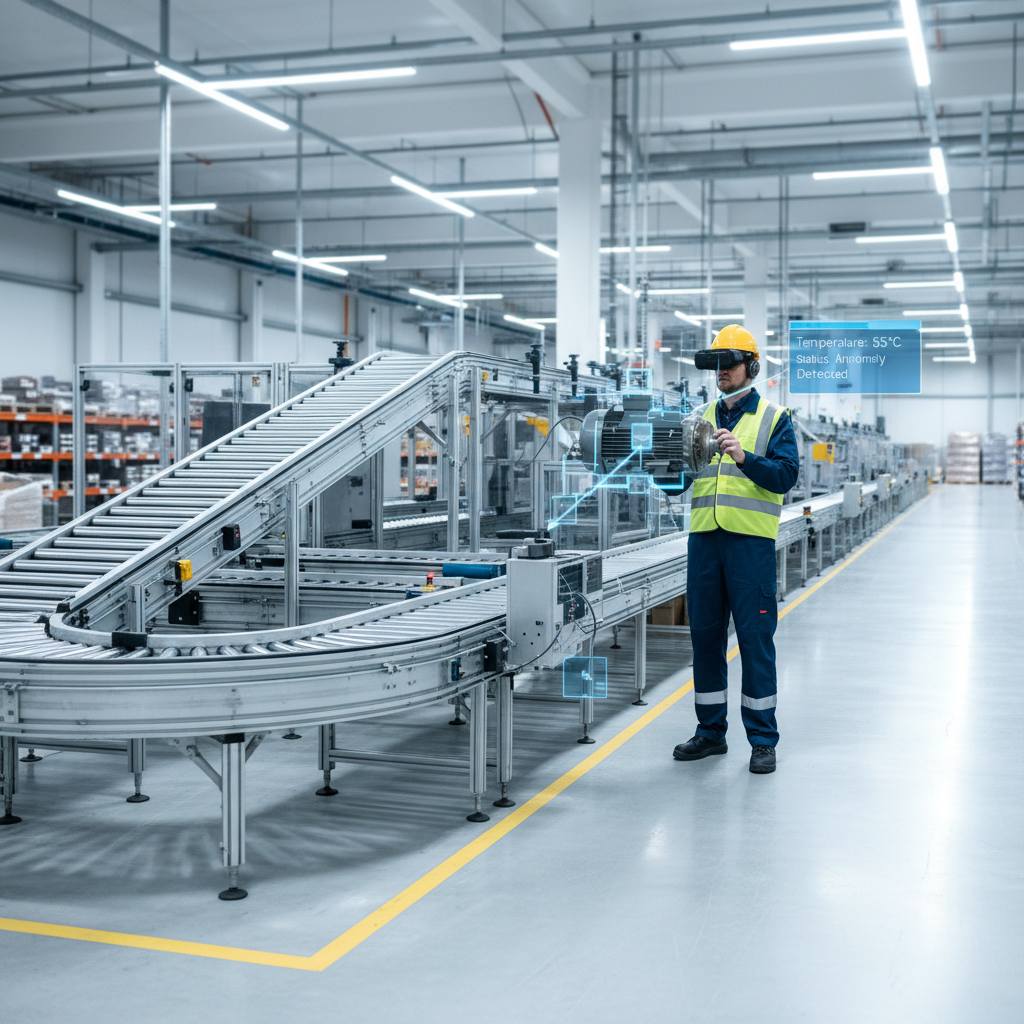
Predictive Maintenance fundamentally changes the paradigm. Instead of relying on generic schedules, it leverages real-time data from the equipment itself. Sensors placed on critical components—motors, bearings, gearboxes, and belts—continuously monitor operational parameters. This data is fed into machine learning models that have been trained to recognize the "digital signature" of healthy operation.
Key Data Sources and Sensors
The strength of a PdM model lies in the quality and variety of its data inputs. For a typical belt conveyor or roller conveyor system, the most valuable data streams include:
- Vibration Analysis: Every rotating component has a unique vibration frequency. Deviations can indicate bearing wear, misalignment, or imbalance with remarkable precision.
- Thermal Imaging: Overheating is a classic sign of impending failure in motors, electrical connections, and bearings. Continuous thermal monitoring can catch these issues long before they become critical.
- Acoustic Analysis: Changes in the sound produced by a conveyor can signal problems like belt slipping or worn-out rollers. AI models can filter out ambient noise to isolate these subtle acoustic tells.
- Motor Current Signature Analysis (MCSA): By analyzing the electrical current drawn by a motor, ML algorithms can detect issues like rotor bar defects or mechanical stress on the driven components.
This data is often collected and processed at the edge before being sent to a central platform, where the algorithms run. The system then automatically generates alerts for maintenance teams, specifying the likely fault and the recommended action, turning raw data into actionable intelligence.
Comparing Predictive Maintenance Data Sources
Not all data sources are created equal. The choice of sensors and analytical methods depends on the specific component, its failure modes, and budget constraints. Below is a comparison of common techniques used in Benelux logistics centers.
| Technique | Primary Use Case | Cost per Point | Strengths | Weaknesses |
|---|---|---|---|---|
| Vibration Analysis | Bearings, motors, gearboxes | €100 - €300 | Extremely high accuracy, detects issues months in advance. | Can be complex to install and interpret without AI. |
| Thermal Imaging | Motors, electrical panels, friction points | €80 - €250 | Non-contact, great for detecting electrical faults and friction. | Less effective for purely mechanical wear (e.g., imbalance). |
| Acoustic Analysis | Belt tension, roller wear, material impact | €50 - €150 | Good for detecting surface-level issues and changes in mechanics. | Susceptible to high levels of ambient noise in a warehouse. |
| Motor Current Signature Analysis (MCSA) | Motor health, pump efficiency | €150 - €400 | Provides deep insight into motor and electrical system health. | Primarily focused on the drive system, not the entire conveyor. |
Implementation Roadmap in the Benelux
For a warehouse manager in Belgium, the Netherlands, or Luxembourg, adopting AI-driven maintenance is a structured process:
- Criticality Assessment: Identify the most critical conveyor sections where downtime would have the largest impact. Start small and targeted.
- Sensor Deployment: Install appropriate sensors (vibration, thermal, etc.) on these critical assets. Ensure data can be collected reliably and transmitted, often using industrial wireless protocols.
- Data Integration: The data needs to flow from the sensors, often collected by a PLC, into a centralized platform. Using open standards like OPC UA is crucial for integrating different hardware types into a single system.
- Model Training & Deployment: The machine learning model is trained on a baseline of "healthy" operational data. This learning phase can take several weeks. Once the baseline is established, the model can begin detecting anomalies.
- Workflow Integration: The final step is to integrate the AI alerts into your existing Computerized Maintenance Management System (CMMS). An alert should automatically generate a work order with all necessary details.
Many companies find that their internal processes are not yet ready for such a technological leap. As detailed in a recent analysis on business growth, processes don't always scale with the company, highlighting the need for a foundational strategy before implementing advanced tools. For a comprehensive overview of conveyor components, our Roller Conveyor Guide is an excellent starting point.
The Future: From Predictive to Prescriptive
The field is already moving beyond just predicting failures. The next frontier is prescriptive maintenance, where the AI not only flags a future problem but also recommends the most effective solution (e.g., "Replace bearing X on motor Y within the next 72 hours using part #Z. Estimated repair time: 90 minutes."). Further down the line, we will see generative AI designing optimized maintenance schedules and even autonomous robots performing the repairs, creating a truly self-healing logistics environment.
Easy Systems: Your Partner for Intelligent Automation
In the competitive Benelux market, leveraging technology like AI for maintenance isn't a luxury; it's essential for survival and growth. However, technology alone is not the answer. You need a partner who understands the deep interplay between modular hardware, intelligent software, and robust operational processes. At Easy Systems, we design, build, and integrate conveyor systems with a forward-looking perspective. Our modular designs facilitate easy sensor integration, and our expertise in control systems ensures that your material handling equipment is ready for the age of AI. We don't just sell conveyors; we provide the reliable, data-ready foundation for your intelligent warehouse, ensuring you are prepared for not just today's challenges, but tomorrow's opportunities in predictive and prescriptive automation.
Frequently asked questions
How much downtime can AI predictive maintenance really prevent?+
On average, companies in the Benelux can reduce unexpected conveyor downtime by 30-50%. For a typical distribution center, this can translate to saving over 200 hours of lost operational time per year, directly impacting throughput and profitability.
What is the typical cost of implementing a predictive maintenance system in the Benelux?+
A pilot project on a critical conveyor line can range from €15,000 to €50,000. This includes sensors, software licensing, and integration. A full-scale deployment across a large warehouse can exceed €200,000, but typically yields a full ROI within 18-24 months.
How accurate are AI models at predicting conveyor belt failures?+
Modern machine learning models, once properly trained with sufficient data, can achieve an accuracy of over 90% in predicting common mechanical failures like bearing wear or motor degradation. This allows maintenance teams to act with high confidence.
What is the very first step to start with predictive maintenance?+
The first step is a Criticality Analysis. Identify which 1-3 pieces of equipment would cause the most damage if they failed unexpectedly. Start your PdM pilot project there to prove the value and gain experience with the technology on a manageable scale.
Which conveyor components benefit most from AI monitoring?+
The components that benefit most are high-rotation, critical-wear parts. This includes main drive motors, gearboxes, and primary roller bearings. Monitoring these can prevent over 80% of conveyor system failures that lead to major downtime.
How long does it take to see a return on investment for a PdM project?+
Most logistics companies in Europe see a positive return on investment within 12 to 24 months. The ROI is driven by reduced downtime, lower spare parts inventory (savings of 10-20%), and more efficient use of maintenance technicians' time.

The Easy Systems editorial desk reviews and fact-checks every Conveyor-Design article against Benelux project experience. Editors translate engineering decisions — throughput, peak factors, layout, integration — into plain-language guides for operations managers, project leads and decision-makers.
- Warehouse layout & slotting
- Order-profile analysis
- Vendor-neutral comparison
- Benelux logistics market