Sustainable Conveyor Systems: Eco-Friendly Choices for 2026
As Benelux warehouses face stricter environmental regulations, investing in sustainable, modular conveyor systems is no longer an option but a necessity. This guide explores the most energy-efficient and eco-friendly choices for 2026.
As the logistics backbone of Europe, the Benelux region is facing a paradigm shift. Driven by ambitious EU Green Deal targets and increasing consumer demand for sustainable practices, warehouses in the Netherlands, Belgium, and Luxembourg are under pressure to decarbonize their operations. Material handling, particularly conveyor systems, represents a significant portion of a distribution center's energy consumption. This article explores the innovative, eco-friendly conveyor solutions available today and provides a roadmap for future-proofing your Benelux warehouse for 2026 and beyond.
The Imperative for Green Logistics in the Benelux
Stricter regulations, such as the EU's 'Fit for 55' package, are mandating a sharp reduction in greenhouse gas emissions. For warehouse operators, this translates into a direct need to measure, report, and reduce their carbon footprint. Energy-intensive equipment like traditional conveyor systems are a primary target for optimization. Choosing a sustainable conveyor system is no longer a branding exercise but a critical business strategy that impacts operational resilience, cost-effectiveness, and regulatory compliance.
Energy Efficiency: The Core of Sustainable Conveying
The largest environmental impact of a conveyor system during its operational life is its energy consumption. Modern sustainable conveyors tackle this issue through innovative engineering and smart technology.
Motor Technology: The Power of 24V DC
The shift from traditional AC induction motors to 24V DC motorized rollers is a game-changer. These systems offer significant advantages:
- Energy Savings: 24V DC motors are inherently more efficient and can reduce energy consumption by up to 50% compared to their AC counterparts.
- Zonal Operation: They enable run-on-demand or zonal operation, where sections of the conveyor only activate when a product is present. This eliminates the wasteful practice of running the entire line continuously.
- Sleep Mode Integration: Advanced control systems can put conveyor zones into a low-power 'sleep mode' during periods of inactivity, further cutting energy waste by an additional 10-15%.
Beltless and Low-Friction Designs
Another key innovation is the move towards beltless and low-friction conveyor designs. Traditional belt conveyors require powerful motors to overcome the friction between the belt and the slider bed. Alternative technologies drastically reduce this energy requirement:
- Magnetic Conveyors: Using principles of magnetic levitation and propulsion, these advanced systems offer near-frictionless operation, reducing energy needs by up to 40% and minimizing maintenance linked to belt wear and tear.
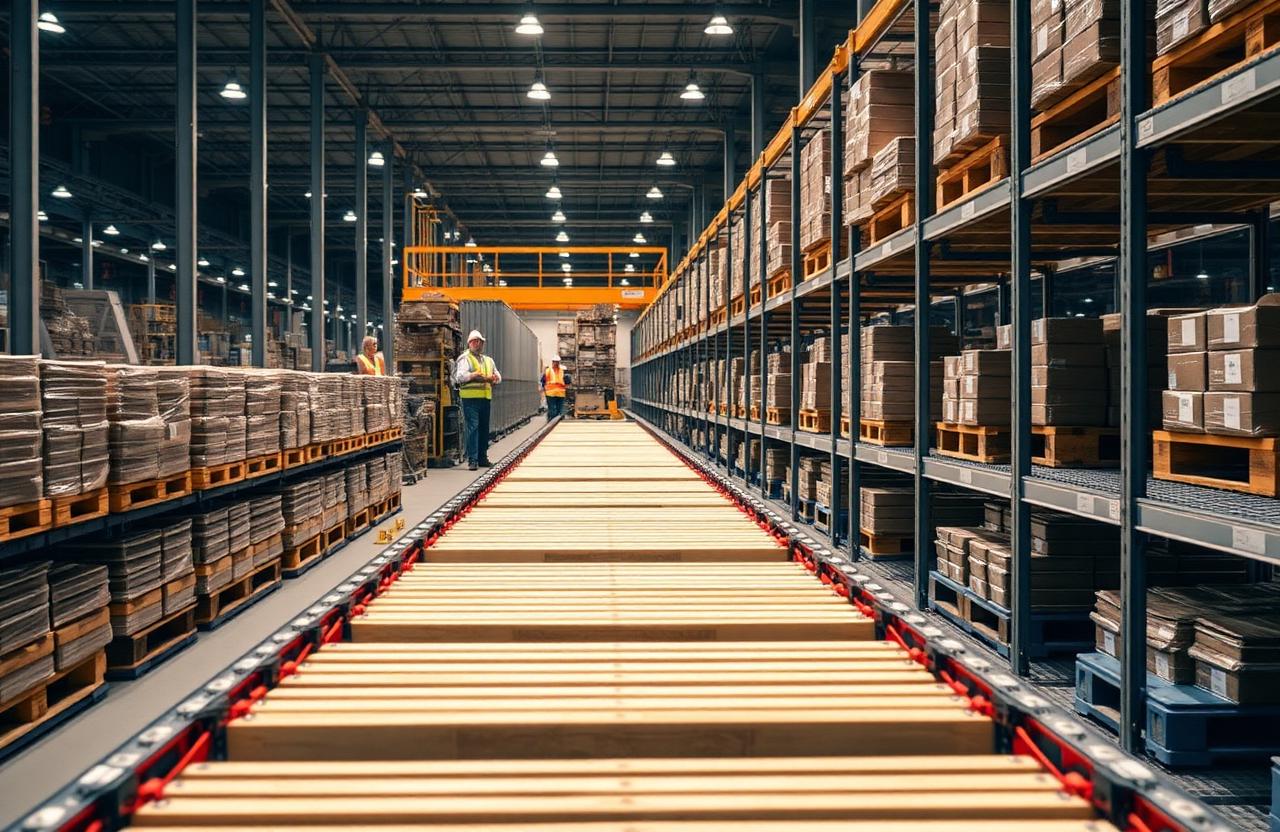
- Gravity Roller Conveyors: While simple, integrating gravity-fed sections into a larger system is a highly effective strategy. Using a slight decline, goods can be transported over short to medium distances with zero electricity consumption. This is ideal for buffering zones or final dispatch lanes.
Modularity and Circular Economy Principles
Sustainability extends beyond energy efficiency. The construction and lifecycle of the conveyor itself are critical. This is where modular design, a core principle for us at Easy Systems, becomes paramount.
Lego-Like Flexibility
Modular conveyor systems are designed like industrial Lego. They consist of standardized, interchangeable components that can be easily assembled, reconfigured, expanded, or relocated. This has profound sustainability benefits:
- Reduced Waste: When warehouse layouts change, you don’t scrap the entire system. You simply reconfigure the existing modules. This drastically reduces material waste and the carbon footprint associated with manufacturing new equipment.
- Extended Lifespan: If a component fails, only that specific module needs to be replaced, extending the overall lifespan of the investment from an average of 10-15 years to potentially 20-25 years.
- Adaptability: This design philosophy allows warehouses to adapt to changing market demands, such as seasonal peaks or new product lines, without the need for costly and resource-intensive overhauls.
H3: Materials Matter: Recycled and Recyclable
Leading European manufacturers are increasingly using materials with a lower environmental impact. This includes using high-grade recycled aluminum for frames and biodegradable or recyclable plastics for components where possible. The goal is to create a system that is not only built from sustainable materials but is also fully recyclable at the end of its long life, closing the loop and embracing a true circular economy model.
Comparing Sustainable Conveyor Technologies for 2026
To make an informed decision, it’s essential to compare the different technologies available. The table below provides a snapshot for a typical Benelux warehouse operation.
| Conveyor Type | Typical Energy Saving (vs. Traditional AC Belt) | Upfront Cost (Index) | Maintenance Needs | Best For |
|---|---|---|---|---|
| Traditional AC Belt Conveyor | 0% | 100 | High (Belt tracking, replacement) | Long-distance, single-line transport |
| 24V DC Roller Conveyor (Zonal) | 40-60% | 120 | Low (Individual roller replacement) | Assembly lines, sortation, buffer zones |
| Modular Belt Conveyor | 10-20% | 110 | Medium (Link repairs) | Curved transport, food-grade applications |
| Gravity Roller Conveyor | 100% (in application) | 70 | Very Low | Decline transport, buffering, packing stations |
| Magnetic Conveyor System | 35-45% | 180 | Very Low | High-speed, clean-room environments |
Smart Controls: The Brain of the Sustainable Warehouse
The hardware is only half the story. The true potential for sustainability is unlocked through intelligent software and controls. A modern Warehouse Control System (WCS) can orchestrate the entire flow of goods, ensuring the conveyor system operates at peak efficiency. Features like dynamic speed control, predictive maintenance alerts, and seamless integration with sleep-mode functionality can add another 10-20% in energy savings on top of the hardware benefits.
The Business Case: ROI and Future-Proofing
Investing in sustainable conveyor technology is not just an environmental decision; it’s a sound financial one. The initial higher capital expenditure for technologies like 24V DC systems is typically recouped within 2-4 years through direct energy savings. In the Benelux, where industrial electricity prices are among the highest in Europe, this payback period can be even shorter. Furthermore, these systems reduce maintenance costs and provide the operational flexibility needed to stay competitive, delivering a powerful long-term Return on Investment (ROI).
Easy Systems: Your Partner for Sustainable Conveyor Solutions in Europe
As a senior content engineer at Easy Systems (BOA Concept), I can confidently state that our design philosophy is built for the future of logistics. Our modular conveyor systems are inherently sustainable, offering the flexibility, longevity, and reusability that modern Benelux warehouses demand. We specialize in creating custom-fit solutions that minimize waste, both in material and energy. By focusing on high-quality, reconfigurable modules and integrating the latest in energy-efficient 24V DC motor technology, we empower our clients to build logistics operations that are not only productive and cost-effective but also aligned with Europe’s ambitious environmental goals. We don’t just sell conveyors; we provide a platform for sustainable growth and operational excellence.
This article is part of the Conveyor-Design knowledge hub, edited by Easy Systems engineers who design conveyor and warehouse automation systems across the Benelux every week.
Frequently asked questions
What is the main advantage of a modular conveyor system for sustainability?+
The main advantage is its reusability and adaptability. Instead of replacing an entire system when needs change, modular systems can be reconfigured. This drastically reduces material waste and the carbon footprint related to manufacturing new equipment, extending the system's lifespan.
How much can a 24V DC conveyor system save on energy costs?+
A 24V DC conveyor system with zonal operation and sleep-mode functionality can reduce electricity consumption by 50-60% compared to a traditional, continuously running AC-powered belt conveyor. In high-cost energy markets like the Benelux, this translates into significant annual savings.
Are sustainable conveyors more expensive?+
Sustainable conveyors, particularly those with 24V DC motor technology, can have a higher initial investment cost (around 20% more). However, the ROI is typically achieved within 2-4 years due to substantial energy savings, lower maintenance costs, and increased operational flexibility, making them more cost-effective over their lifecycle.