Quick Response Manufacturing (QRM) with Smart Conveyors in the Benelux
In the competitive Benelux market, Quick Response Manufacturing (QRM) is essential. Smart, modular conveyor systems are the key to reducing lead times, managing high-mix/low-volume production, and gaining a critical competitive edge.
In the hyper-competitive manufacturing landscape of the Benelux, speed is not just a feature; it's the primary currency. Faced with high operational costs and global competition, companies in the Netherlands, Belgium, and Luxembourg can no longer compete on mass production alone. The focus has shifted to agility, customization, and, most importantly, radical lead time reduction. This is the domain of Quick Response Manufacturing (QRM), and its successful implementation hinges on a surprisingly foundational element: the conveyor system.
Definition
Quick Response Manufacturing (QRM) is a company-wide strategy focused on relentlessly cutting lead time across all operations. Unlike Lean, which concentrates on eliminating waste, QRM's primary lens is time. It is specifically designed for high-mix, low-volume (or custom-engineered) production environments common in European advanced manufacturing.
Why QRM is Critical for Benelux Manufacturing
The Benelux region, with its world-class ports like Antwerp and Rotterdam, dense infrastructure, and highly skilled workforce, is a European logistics hub. However, these advantages come with challenges: some of the highest labor costs in Europe and intense real estate pressure. A QRM strategy, enabled by automation, directly addresses this context:
- Countering High Labor Costs: By optimizing flow and reducing waiting times, QRM allows a company to achieve higher output with the same skilled workforce. Automation, particularly smart conveyors, handles the non-value-added movement, freeing up expensive human hours for complex tasks.
- Leveraging Proximity: For a manufacturer in, for example, the Eindhoven or Ghent region, the ability to deliver a custom product to a German or French client in days, not weeks, creates an immense competitive advantage that nullifies the cost benefits of distant, low-cost manufacturing.
- Enabling Customization: European markets demand high levels of customization. QRM is built for this "lot size of one" reality. It organizes production not around products, but around flexible "cells" that can handle a wide variety of orders. Smart conveyors are the connective tissue that makes these cells work.
The Role of Conveyors in a QRM Framework
Traditionally, conveyor systems were seen as rigid, fixed assets—the antithesis of flexibility. A long, single-speed belt conveyor running through a facility dictates the workflow and creates massive bottlenecks when product mixes change. In a QRM world, this is unacceptable. The goal is to create a seamless, adaptable flow, which requires a new breed of material handling technology.
From Bottlenecks to Flow: The Smart Conveyor Difference
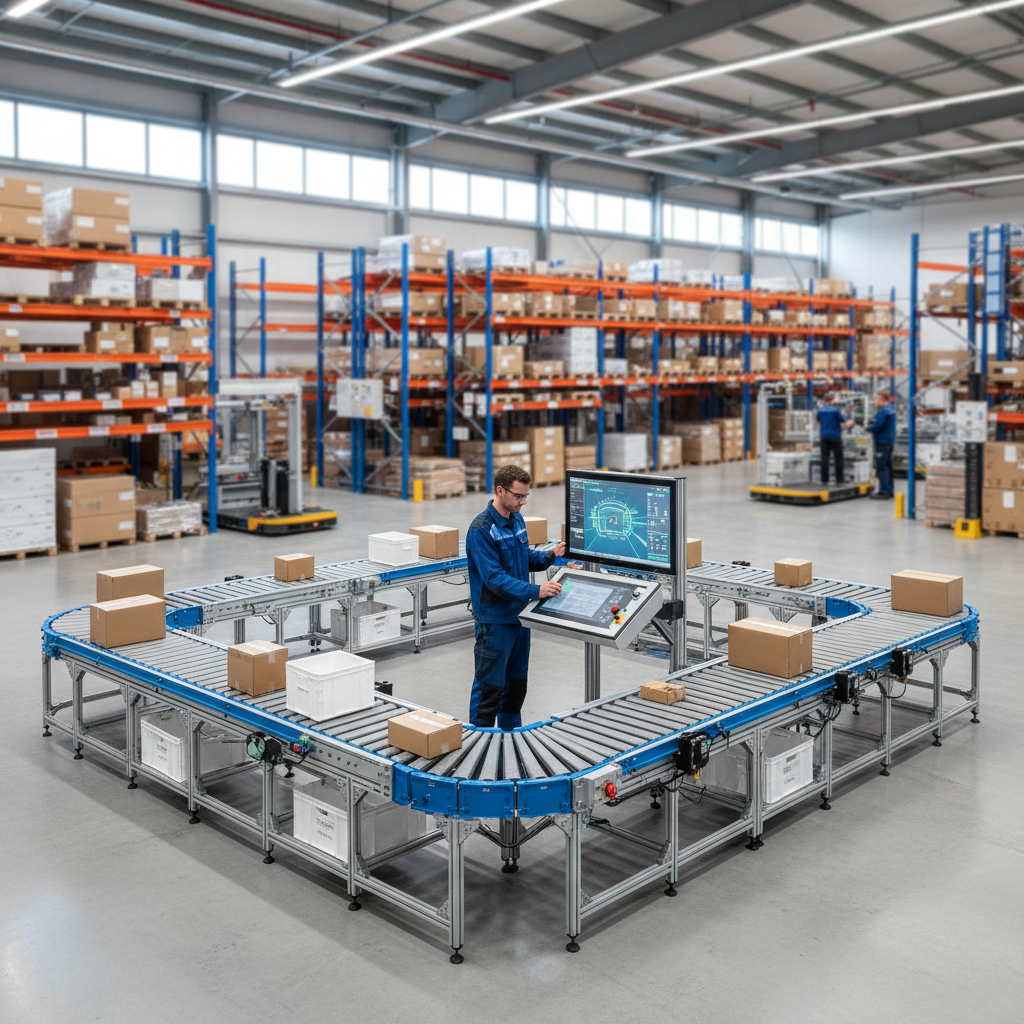
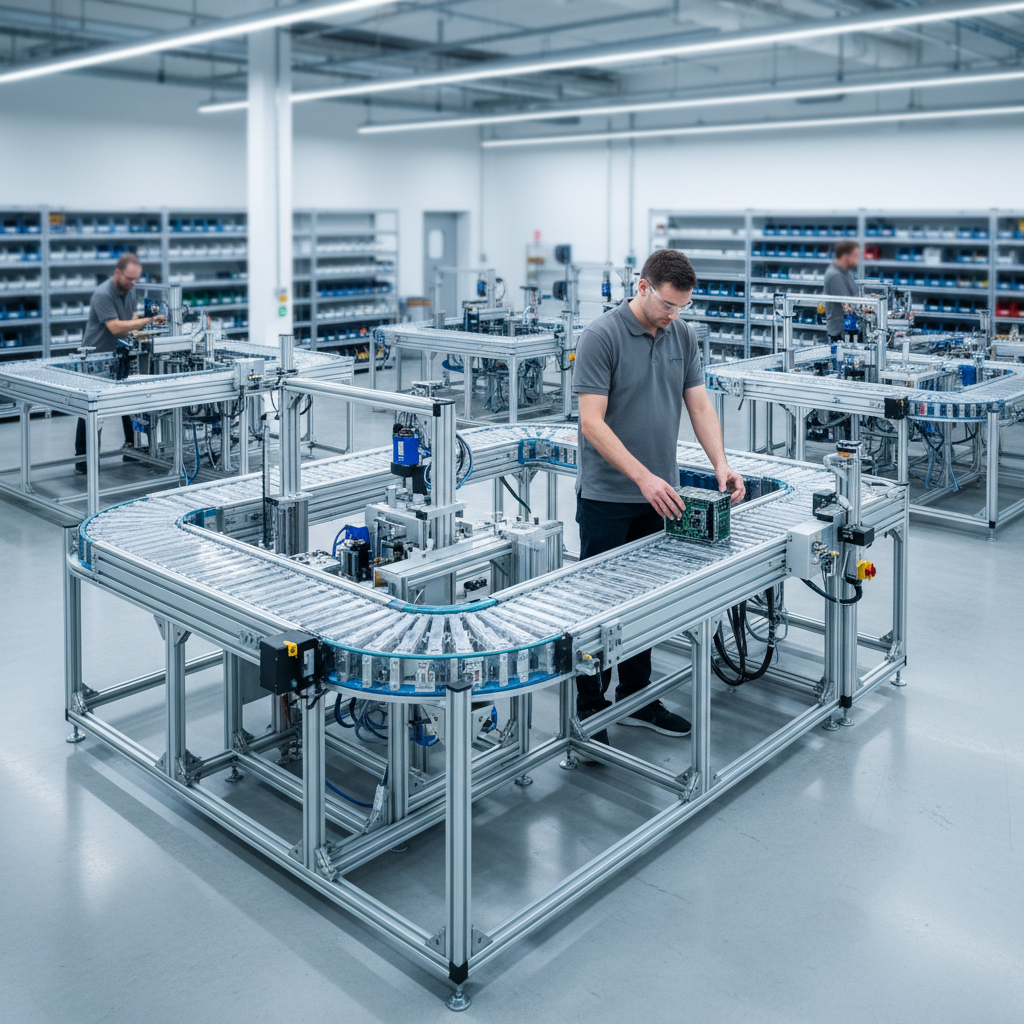
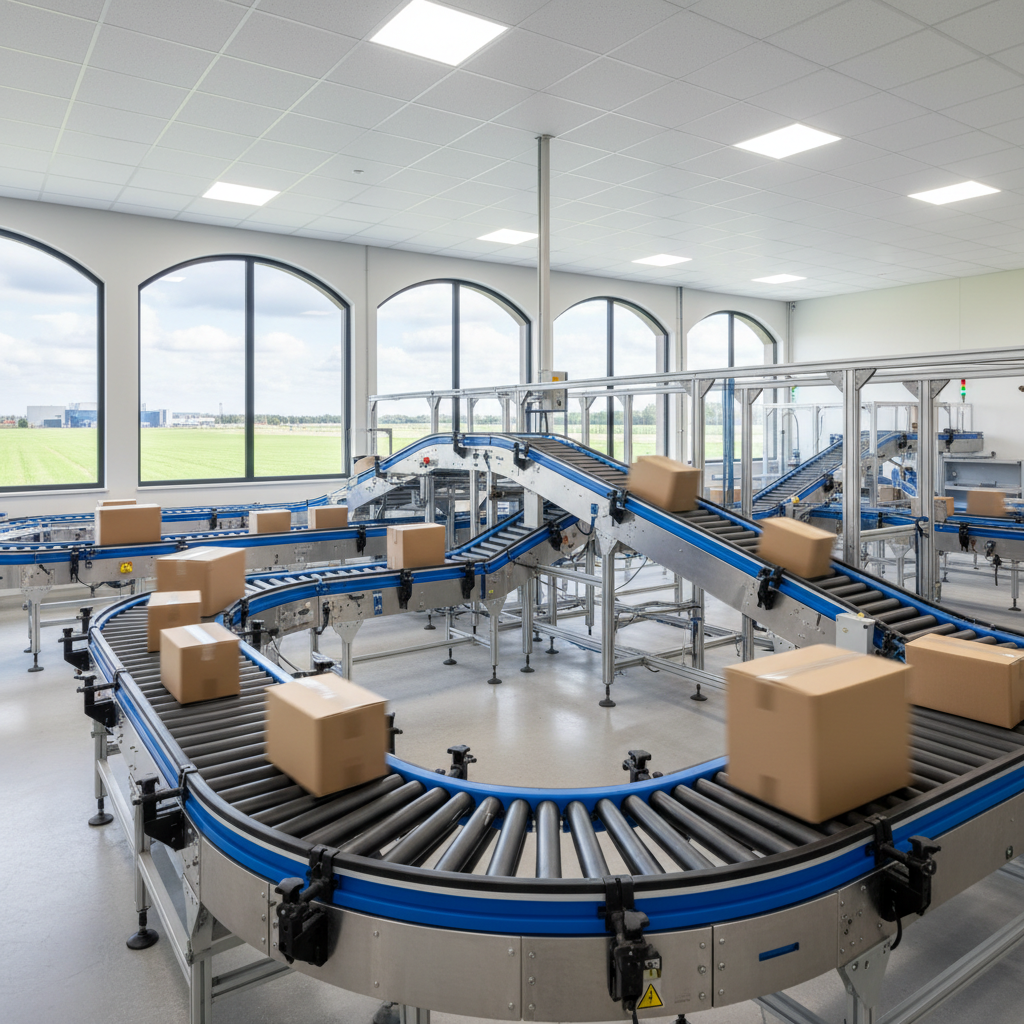
Smart or intelligent conveyors are modular, reconfigurable, and data-driven systems designed for agility. They don't just move items; they direct, pace, accumulate, and sort them based on real-time needs. A typical segment of a smart conveyor system can be reconfigured or even replaced in a matter of hours, not weeks, often without specialized tools. This is a paradigm shift in material flow management, moving from a fixed infrastructure to a dynamic, responsive network.
Key Conveyor Technologies for QRM Optimization
Several conveyor technologies are particularly well-suited to support a QRM strategy in a high-mix environment:
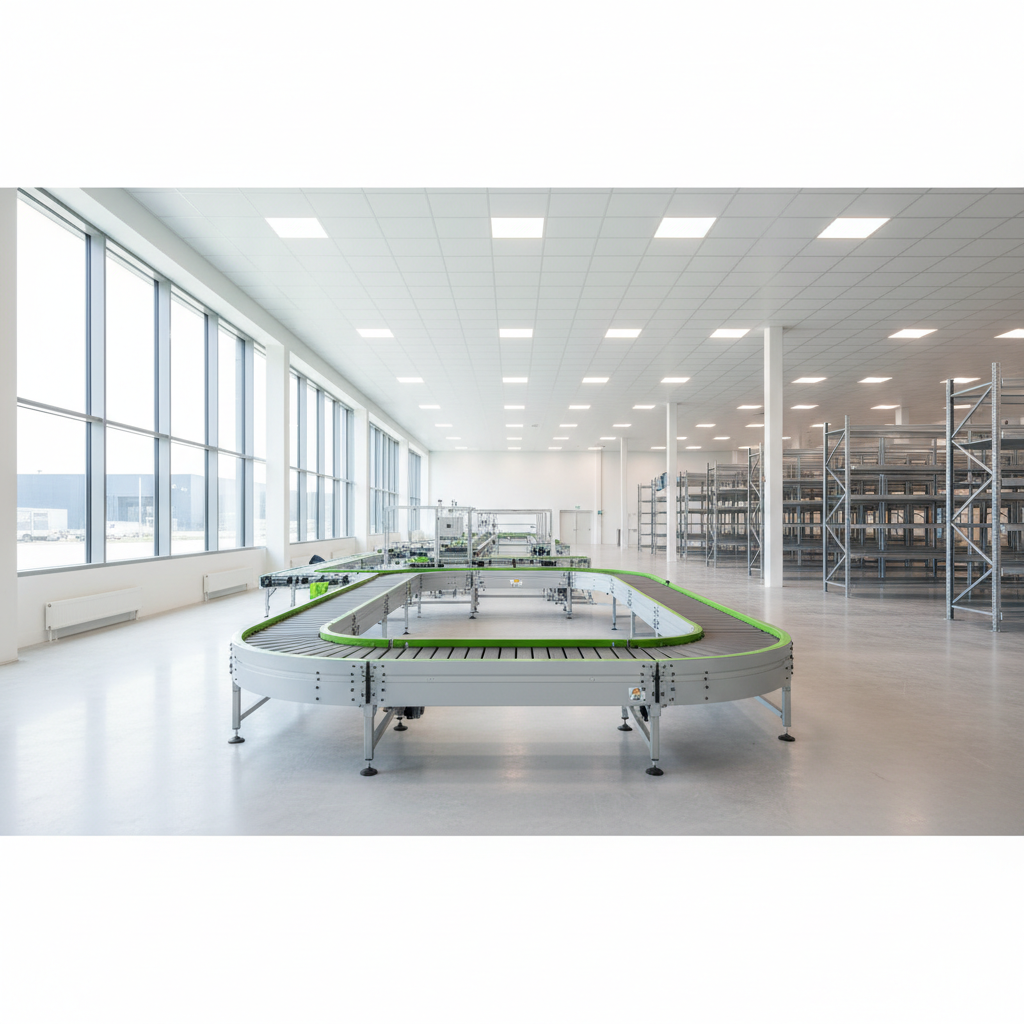
- Modular Belt Conveyors: These are the building blocks of a flexible system. Constructed from interlocking plastic segments, they can be configured in any length, width (from 200 mm to over 2000 mm), or shape. A damaged section can be replaced in minutes, drastically reducing Mean Time to Repair (MTTR).
- Zero Pressure Accumulation (ZPA) Conveyors: Essential for QRM. ZPA systems allow products to buffer on the conveyor without touching each other. Each zone (typically 750 mm to 1500 mm long) is independently controlled. When one item stops, the items behind it stop in their own zones, preventing product damage and enabling smooth, paced release to the next manufacturing step. This can reduce product damage claims by over 50%.
- Autonomous Mobile Robots (AMRs): While not conveyors in the traditional sense, AMRs supplement modular conveyor networks by providing ultimate flexibility for moving goods between otherwise disconnected QRM cells, handling WIP (Work-in-Progress) totes up to 500 kg.
Comparing Conveyor Systems for QRM Suitability
Choosing the right system is crucial. A simple comparison reveals the clear winner for any company serious about implementing QRM.
| Metric | Traditional Roller/Belt Conveyor | Modular Smart Conveyor (ZPA) |
|---|---|---|
| Reconfigurability | Low. Requires cutting, welding, and significant downtime (days/weeks). | High. Can be reconfigured in hours using simple tools. |
| Lead Time Impact | Negative. Can create bottlenecks and fixed pacing. | Positive. Reduces waiting time, enables smooth flow. Can contribute to a 40-60% reduction in MCT. |
| Throughput Speed | Fixed, typically 0.3-0.5 m/s. Not adaptable to process needs. | Variable & controlled, from 0.1 m/s to over 1.5 m/s, adjusted per zone. |
| Initial Cost (€/meter) | Lower. Approximately €800 - €1,200 per meter. | Higher. Approximately €1,500 - €2,500 per meter due to motors and controls. |
| Total Cost of Ownership (TCO) | High due to inflexibility, downtime, and product damage. | Lower over 3-5 years due to flexibility, low downtime, and reusability. |
Implementing Smart Conveyors: A Benelux Scenario
Imagine a medical device assembler in the Liège area, Belgium, producing a high mix of diagnostic kits. Their main challenge is a Manufacturing Critical-path Time (MCT) of 15 days, largely due to WIP sitting in bins waiting for the next manual assembly or testing stage.
By replacing static shelving and manual cart transport with a network of modular ZPA conveyors, they create a direct flow-through system. A kit is assembled at station one and placed on the conveyor. It travels to the testing station, automatically accumulating without pressure if the station is busy. Once tested, it moves to packaging. The result? The MCT drops from 15 days to just 3 days. WIP inventory is reduced by 80%, freeing up over €200,000 in working capital and 300 square meters of floor space.
The Easy Systems Advantage: Your QRM Partner in Europe
Successfully implementing a QRM-focused material handling system requires more than just hardware; it demands a partner with deep expertise in process flow and modular design. At Easy Systems, we specialize in exactly this. Our modular BOA Concept conveyor systems are engineered for the flexibility and reliability that Quick Response Manufacturing demands. Based centrally in the Benelux, we understand the unique pressures of the European market—the need for speed, the reality of high costs, and the demand for uncompromising quality. We don't just sell conveyors; we design the nervous system for your agile, time-focused operation. To explore how our modular solutions can become the backbone of your QRM strategy, visit us at Easy Systems and start the conversation about compressing your lead times and expanding your competitive advantage.
This article is part of the Conveyor-Design knowledge hub, edited by Easy Systems engineers who design conveyor and warehouse automation systems across the Benelux every week.
Frequently asked questions
What is the main goal of Quick Response Manufacturing (QRM)?+
The primary goal of QRM is to reduce lead times throughout the entire organization, from raw material intake to final product delivery, to gain a competitive advantage.
Why are standard conveyors not ideal for QRM?+
Standard, monolithic conveyors are often rigid and difficult to reconfigure. This creates bottlenecks and hinders the flexibility required for the high-mix, low-volume production environments where QRM excels.
Can smart conveyors be retrofitted into an existing Benelux facility?+
Yes, modular smart conveyor systems are specifically designed for adaptability. They can often be integrated into existing layouts in older European facilities with minimal structural changes, making them ideal for retrofitting.