Quick Response Manufacturing (QRM) with Modular Conveyors in the Benelux
Implementing Quick Response Manufacturing (QRM) with modular conveyor systems allows Benelux companies to drastically cut lead times and improve market responsiveness. This guide explores the synergy between QRM strategy and flexible, scalable conveyor technology for high-mix, low-volume production.
In the competitive manufacturing landscape of the Benelux, speed is paramount. Customers demand customized products with shorter delivery times, putting immense pressure on traditional production models. Quick Response Manufacturing (QRM) offers a powerful framework to meet these demands by ruthlessly focusing on lead time reduction. When implemented with the right physical hardware, specifically modular conveyor systems, QRM can transform a facility into a highly responsive and efficient operation.
Definition
Quick Response Manufacturing (QRM) is an organization-wide strategy focused on reducing lead times across all operational facets, from the office to the shop floor. Unlike traditional cost-based strategies, QRM’s primary goal is to cut time, which in turn leads to lower costs, improved quality, and faster response to market volatility. It is particularly effective for companies with high-mix or customized product portfolios.
Why QRM is Crucial for Benelux Manufacturers
The Benelux region—Belgium, the Netherlands, and Luxembourg—is characterized by high wages, a focus on high-value goods, and its strategic position as a logistical hub for Europe. In this context, competing solely on cost is a losing battle. The true competitive advantage lies in speed and responsiveness. QRM directly addresses this by overhauling processes to minimize the time it takes to get an order from concept to customer.
By focusing on time, Benelux companies can:
- Quote shorter, more reliable delivery dates, winning more orders.
- Reduce the need for large, expensive inventories (WIP and finished goods).
- Increase agility to handle custom orders and fluctuating demand.
- Lower overhead costs associated with managing complex schedules and expediting orders.
The Role of Modular Conveyors in a QRM Strategy
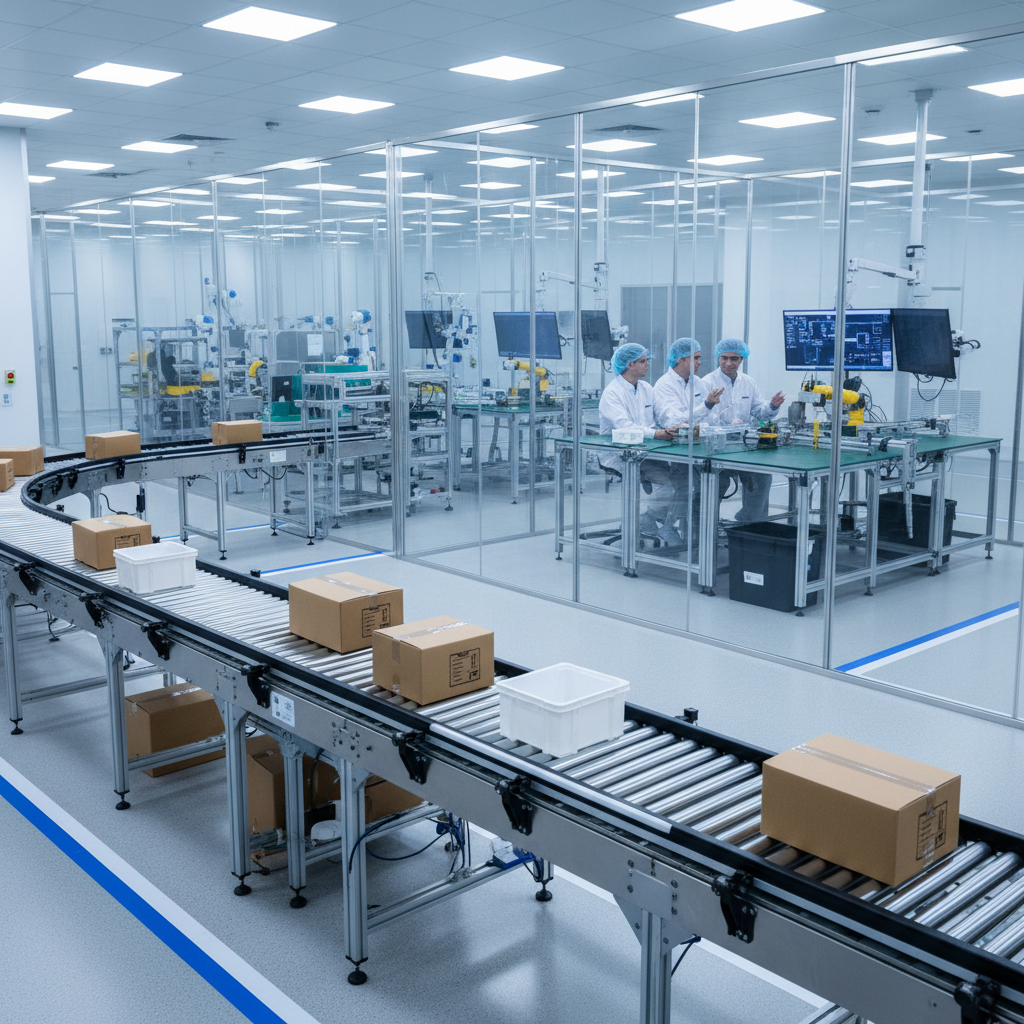
A QRM strategy redesigns the factory floor, moving away from functional departments (e.g., all welding in one area, all assembly in another) and towards focused, multi-disciplinary work cells. These QRM cells are responsible for a specific Family of Products (FTMS). However, the physical flow between these cells and within them must be equally agile. This is where modular conveyors become essential.
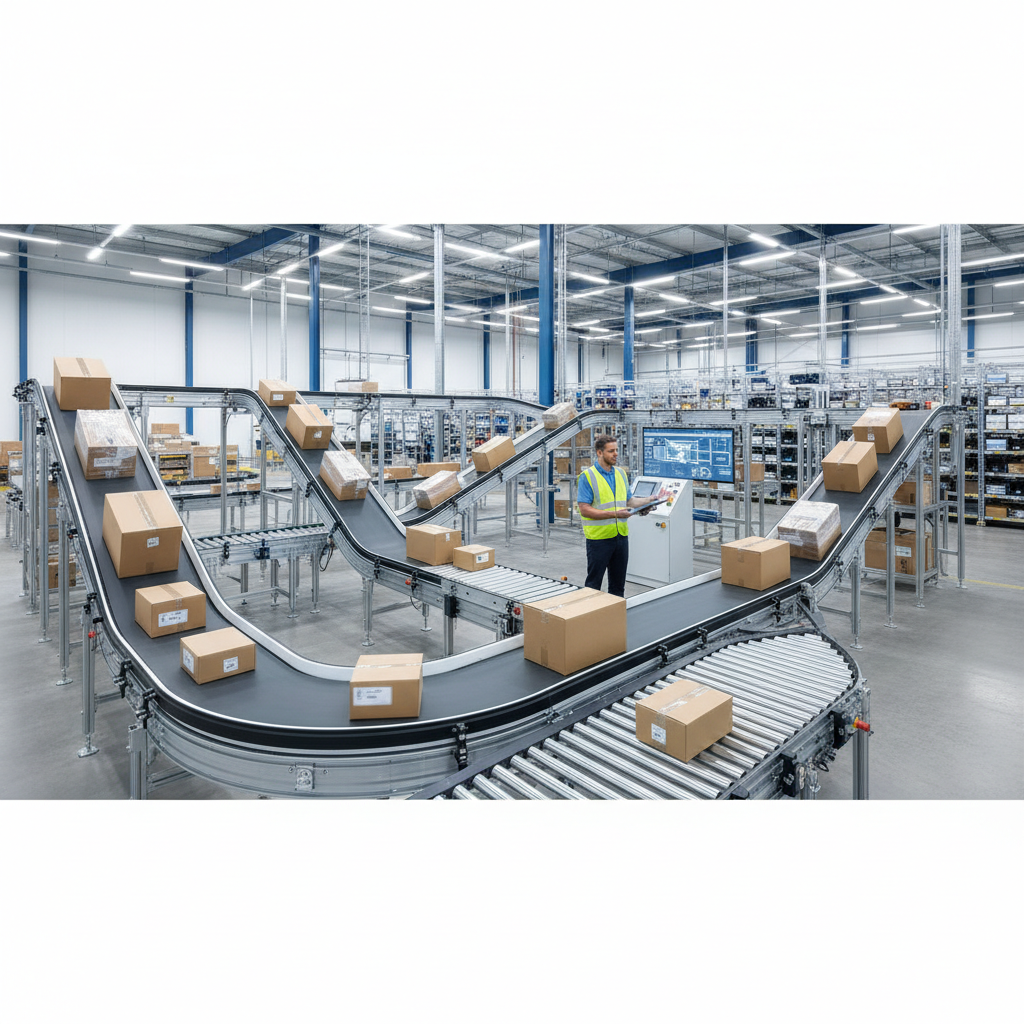
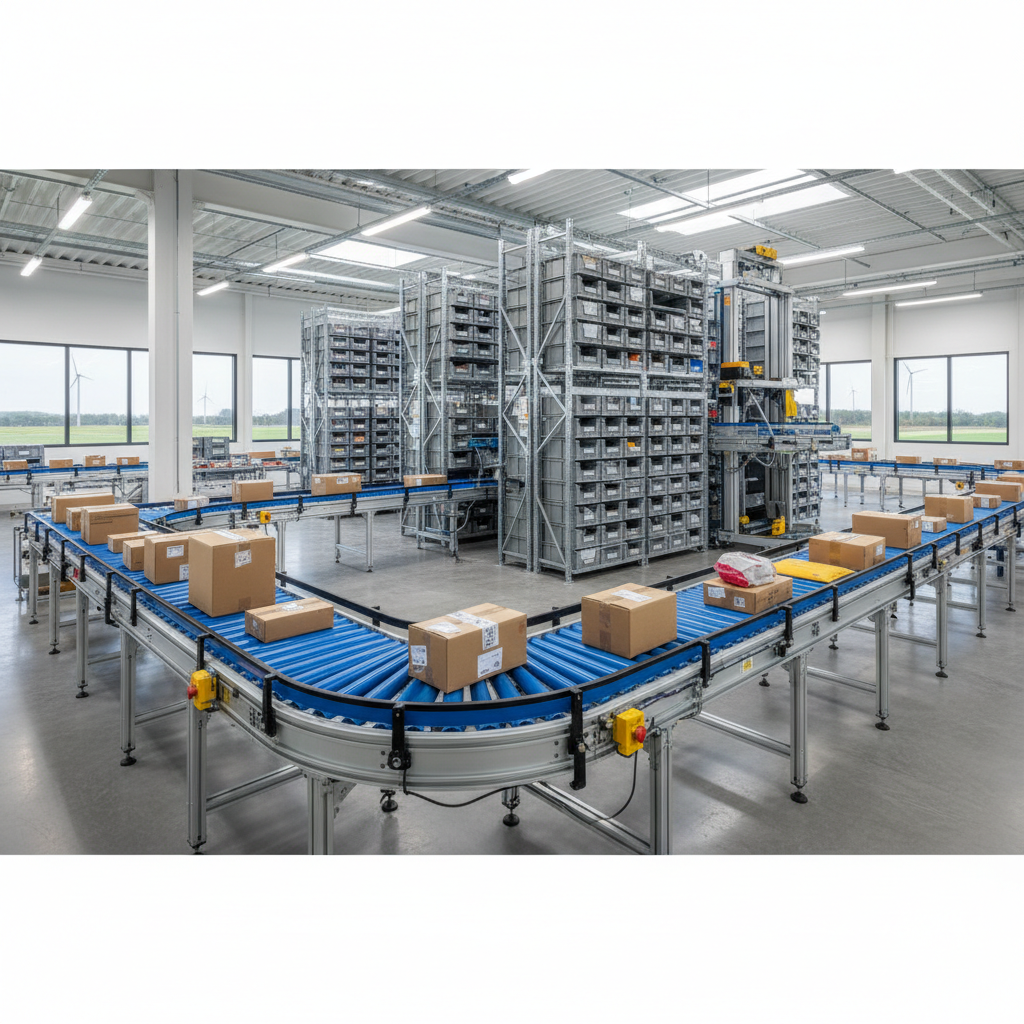
Traditional, long, and fixed conveyor lines are the enemy of QRM. They are difficult to change and lock a facility into a specific process flow. Modular conveyors, such as a flexible roller conveyor system, are built from standardized segments that can be quickly reconfigured. This allows a production layout to be changed in a matter of hours, not weeks.
From Fixed Lines to Flexible Cells
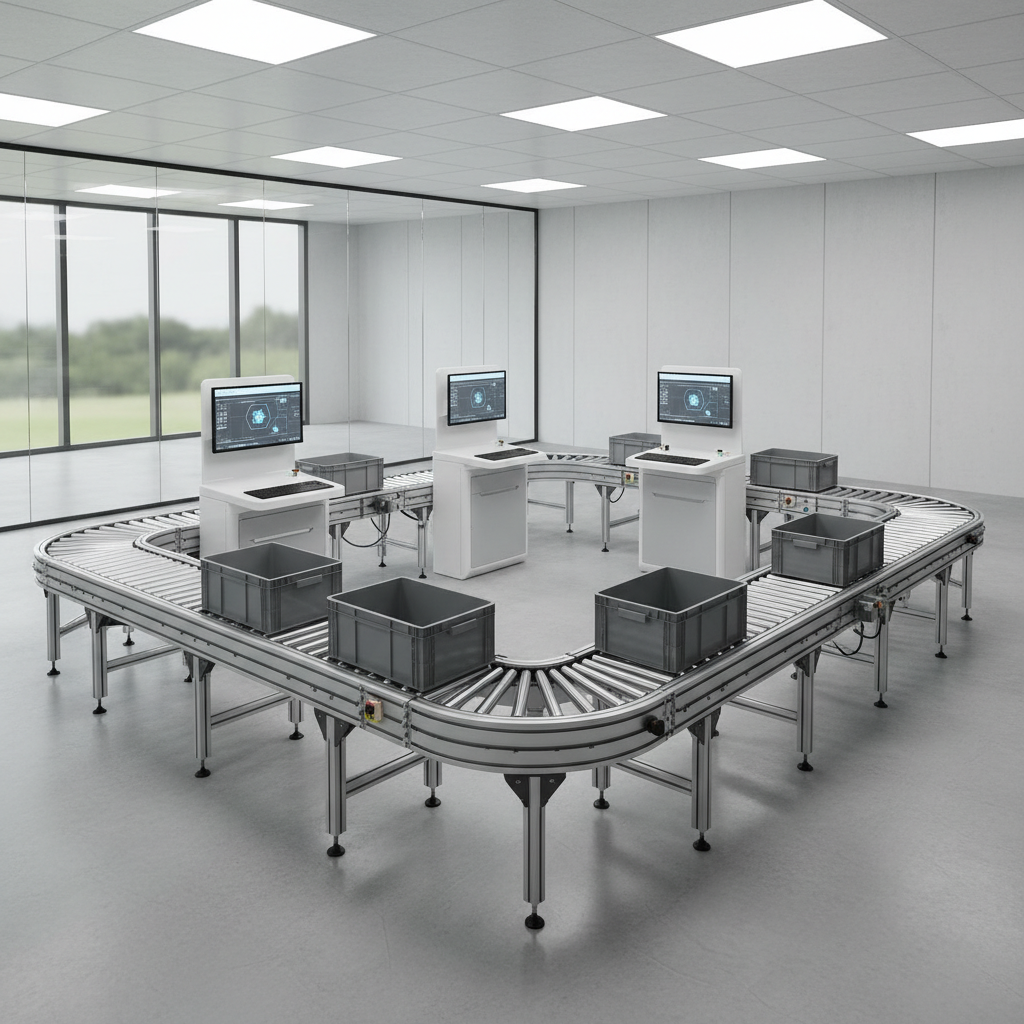
The core principle is to create a dynamic infrastructure. A QRM cell might need a U-shaped conveyor for one product family, and an S-shaped flow for another. With modular components, this change is simple. This allows manufacturers to adapt their material handling to the product mix of the moment, eliminating bottlenecks and ensuring a smooth, fast flow. Systems featuring zero-pressure accumulation are particularly valuable, as they prevent product damage and maintain a steady, controlled flow without intervention.
QRM vs. Lean Manufacturing: A Key Distinction
While often confused, QRM and Lean Manufacturing have different primary focal points. Lean is dedicated to eliminating waste (muda) in large-scale, repetitive production. QRM is dedicated to eliminating time in low-volume, high-mix environments. Both are powerful, but their application differs.
| Aspect | Quick Response Manufacturing (QRM) | Lean Manufacturing |
|---|---|---|
| Primary Focus | Time Reduction | Waste Elimination |
| Ideal Environment | High-Mix, Low-Volume / Custom | Low-Mix, High-Volume / Repetitive |
| Key Metric | Manufacturing Critical-path Time (MCT) | Value-Added vs. Non-Value-Added Time |
| Organizational Structure | Cross-functional cells | Value stream mapping |
| Cost Savings | Indirectly, through reduced overhead and inventory | Directly, by targeting and removing waste |
Implementing QRM with Modular Conveyors
The journey towards QRM is a strategic initiative. Integrating modular automation is a key enabler of this strategy. The process requires a shift in mindset and technology, often guided by a Warehouse Execution System (WES) to manage the dynamic flow of orders and materials. For a deeper dive into how these software layers interact, consider our guide on WMS, WCS, and WES integration.
- Analyze with MCT: The first step is to calculate your Manufacturing Critical-path Time (MCT), which is the calendar time from when a customer creates an order until the first piece is delivered. This metric highlights the "white space" – the time spent waiting – which is QRM's main target.
- Define Focused Target Market Segments (FTMS): Instead of functional departments, group products with similar manufacturing requirements into families. This helps in designing cellular layouts.
- Create QRM Cells: Reorganize your workforce and equipment into dedicated, cross-functional cells responsible for end-to-end production of an FTMS.
- Deploy Modular Conveyors: Connect the cells and the workstations within them using modular conveyor systems. This provides the physical flexibility to match the strategic flexibility of the QRM cells, enabling rapid changeovers and reducing material movement time.
Choosing the Right Modular Conveyor System
Not all modular conveyors are created equal. The choice depends on the specific application, product characteristics, and required flexibility within your Benelux facility.
| Conveyor Type | Best For | Typical Speed | Load Capacity (per meter) | Est. Cost (€ per meter) |
|---|---|---|---|---|
| Modular Belt Conveyor | Irregular shapes, direct food contact, inclines | 0.2 - 1.0 m/s | 20 - 200 kg | €400 - €900 |
| Motorized Roller (MDR) | Boxes, totes, pallets, zone-based accumulation | 0.1 - 2.0 m/s | 50 - 1,500 kg | €350 - €1,200 |
| Flexible Plastic Chain | Small items, complex 3D routes, tight curves | 0.2 - 0.8 m/s | 5 - 20 kg | €500 - €1,100 |
Motorized Drive Roller, often called MDR, technology is a standout choice for QRM cells due to its inherent modularity, quiet operation (typically under 65 dB), and run-on-demand energy efficiency, which can reduce energy consumption by up to 50% compared to traditional AC-motor driven systems.
A Real-World Scenario
Many Benelux SMEs struggle with the same issue: their order book grows, but their rigid processes can't keep up, leading to longer lead times and frustrated customers. A mid-sized electronics assembler in the Eindhoven area faced exactly this problem. Their lead time for customized enclosures was 4 weeks, with high WIP inventory. By implementing QRM cells connected by modular roller conveyors, they redesigned their flow. As noted in a related analysis, process scalability is key to sustainable growth. The result for the assembler was a lead time reduction to just 6 days, a 70% decrease in WIP, and the ability to win contracts that were previously out of reach due to their speed and agility.
Easy Systems: Your Partner for QRM-Ready Conveyor Solutions
Successfully implementing Quick Response Manufacturing requires more than just a theoretical understanding; it demands a physical infrastructure that embodies flexibility and speed. At Easy Systems, we specialize in designing and deploying modular conveyor solutions that form the backbone of a modern, QRM-enabled facility. Our systems are engineered in Europe for the specific needs of the Benelux market, providing the scalability and reconfigurability needed to slash lead times.
From initial process analysis to the final installation of MDR-powered cells, we partner with you to transform your shop floor from a static production line into a dynamic competitive weapon. Let us help you make time your most valuable asset.
This article is part of the Conveyor-Design knowledge hub, edited by Easy Systems engineers who design conveyor and warehouse automation systems across the Benelux every week.
Frequently asked questions
What is the main difference between QRM and Lean?+
QRM focuses primarily on reducing lead time across the entire enterprise, making it ideal for high-mix, low-volume production. Lean focuses on eliminating process waste (muda), and is most effective in high-volume, repetitive manufacturing environments.
Can I apply QRM without changing my conveyors?+
You can apply QRM principles to an extent, but traditional, fixed conveyors often create the very bottlenecks and rigidity that QRM aims to eliminate. Modular conveyors are designed for the rapid adaptability and cellular flow that a true QRM strategy requires to be successful.
What is a typical ROI for a QRM implementation with modular conveyors in the Benelux?+
While it varies based on the industry and scale, Benelux companies often report a full Return on Investment (ROI) within 12 to 24 months. This is driven by drastically reduced inventory costs, lower overhead, fewer expediting fees, and increased sales due to superior lead times.