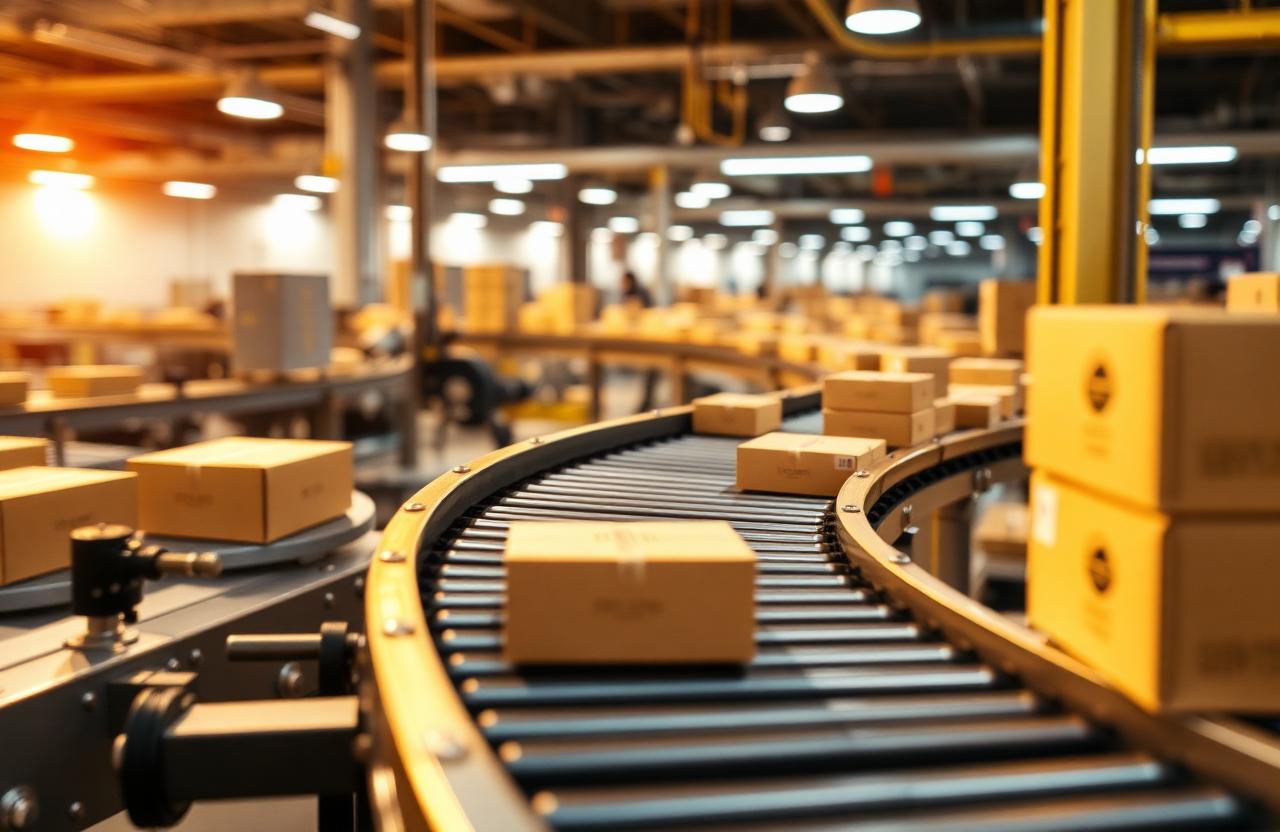
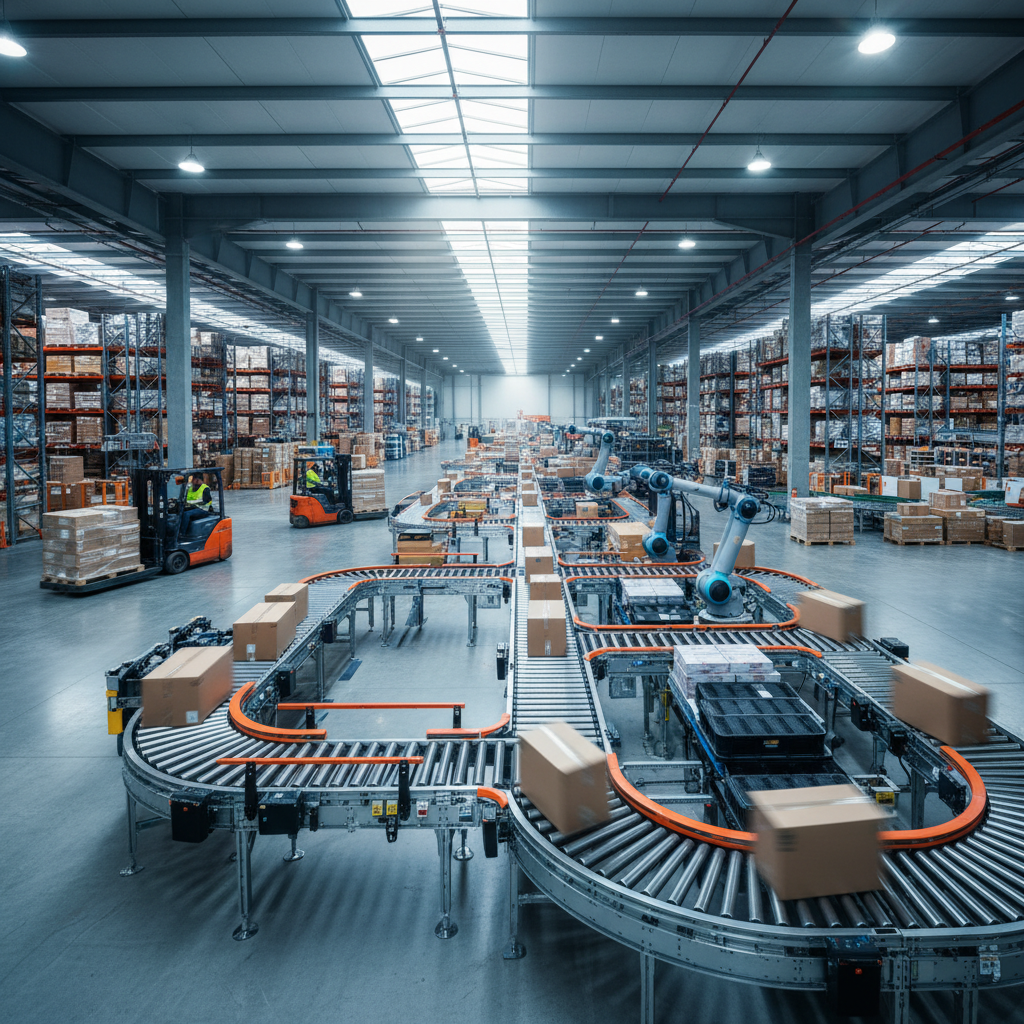
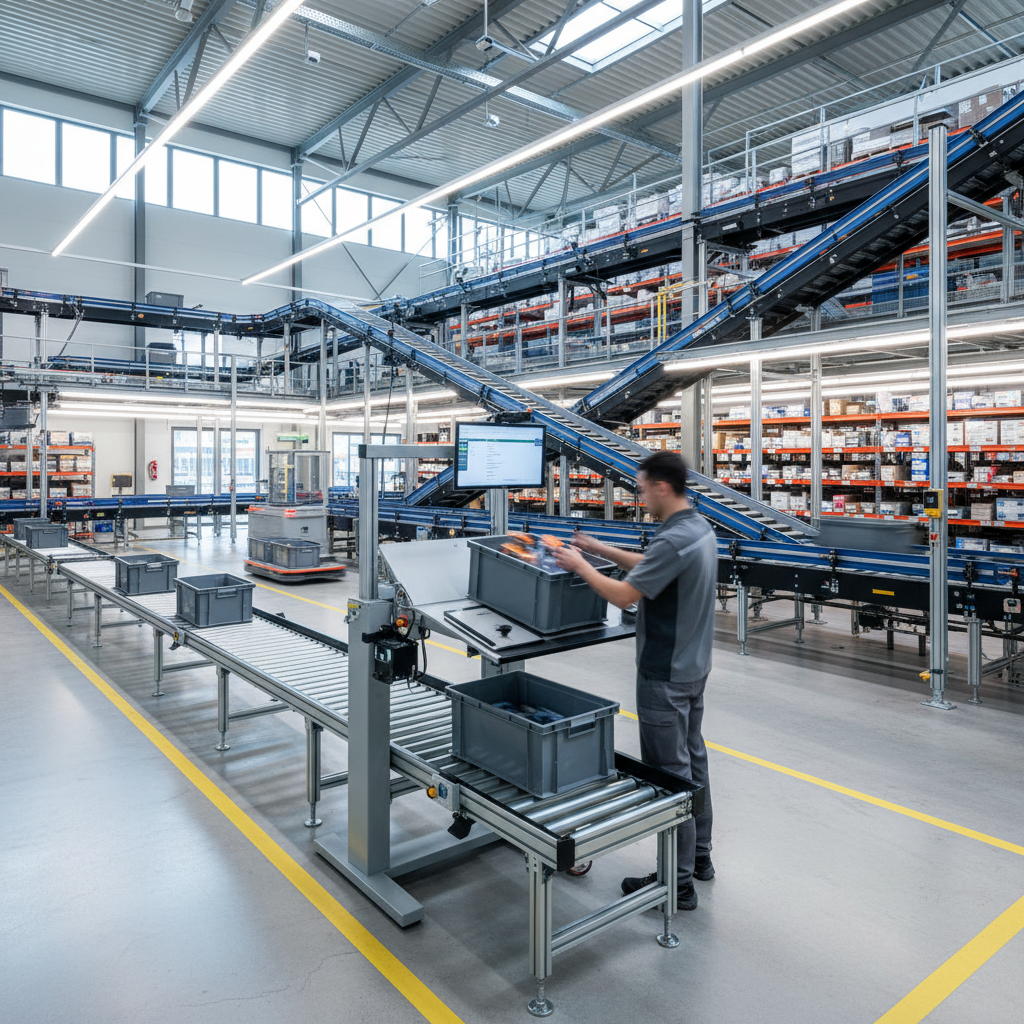
Quick Response Handling: Boosting Throughput in Benelux
Quick Response (QR) Handling is crucial for meeting modern e-commerce demands. This article explores how modular conveyor systems are pivotal in increasing order processing speed and throughput for distribution centers in Belgium, the Netherlands, and Luxembourg.
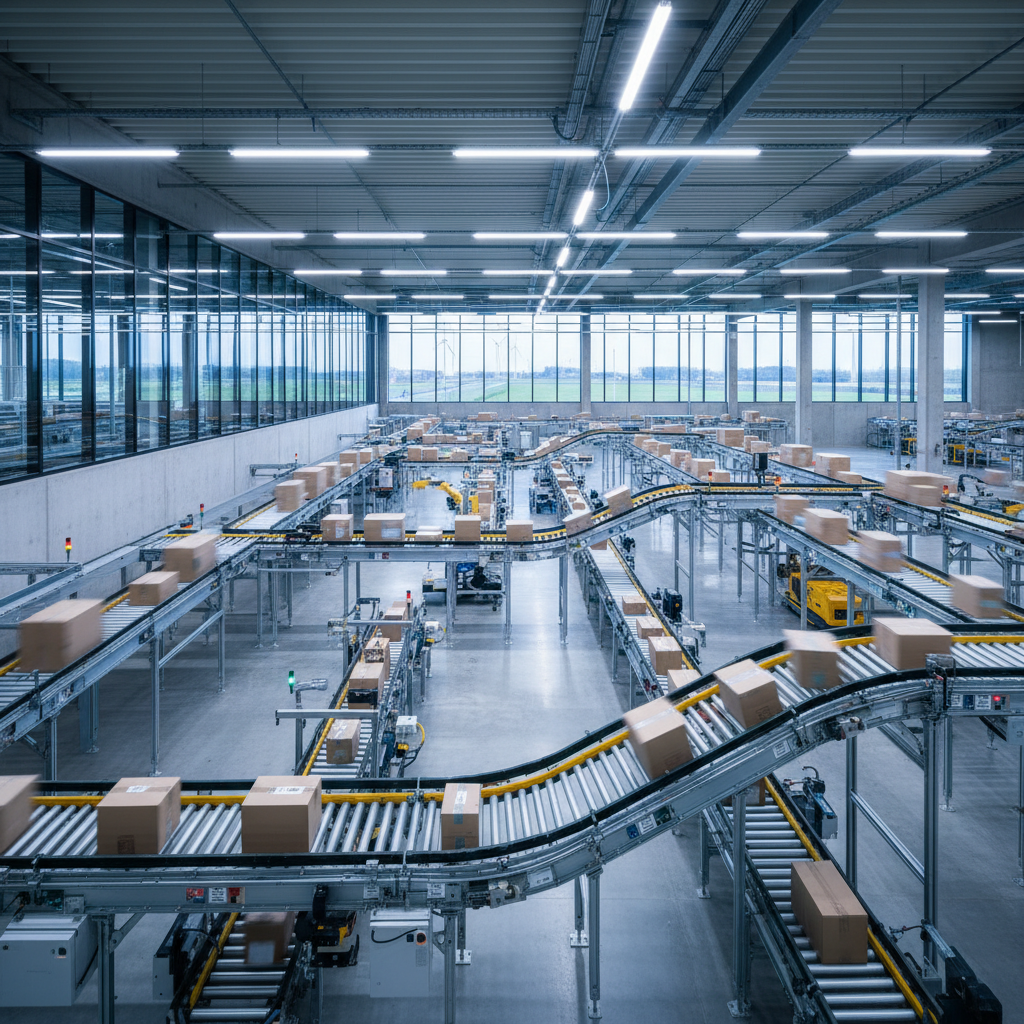
The explosive growth of e-commerce in the Benelux has created a fiercely competitive landscape where speed and reliability are paramount. Consumers now expect next-day, or even same-day, delivery, putting immense pressure on distribution centers (DCs). Meeting these expectations requires more than just manpower; it demands intelligent automation. Quick Response (QR) Handling, powered by modular conveyor systems, has emerged as the definitive strategy for warehouses in the Netherlands, Belgium, and Luxembourg to gain a critical competitive edge.
Definition
Quick Response (QR) Handling is a logistics methodology focused on minimizing the time between order receipt and dispatch by employing highly agile and scalable automated systems. It contrasts with traditional, rigid material handling setups by using modular components to create a fluid, adaptable, and high-speed workflow tailored to fluctuating e-commerce demands.
The Challenge: E-commerce Demands in the Benelux
The Benelux region, with its high population density and sophisticated consumer base, is a unique logistical challenge. An order placed in Maastricht might need to be delivered in Groningen the next morning. This requires incredible efficiency. Traditional conveyor systems, often built as monolithic, single-purpose installations, lack the flexibility to cope with:
- Seasonal Peaks: Demand can triple during holidays like Christmas, Sinterklaas, or sales events like Black Friday.
- SKU Proliferation: The number and variety of products handled by e-commerce retailers are constantly expanding.
- Dynamic Order Profiles: Orders can range from a single small item to a large, multi-item consolidation.
Rigid systems lead to bottlenecks, increased cost per order, and an inability to scale. A DC designed for 5,000 orders per hour cannot easily be adapted to handle 10,000. This is where a modular approach becomes transformative.
Modular Conveyors: The Engine of Quick Response
Unlike their traditional counterparts, modular conveyors are built from a set of standardized, pre-engineered components or modules. Think of them as industrial-grade LEGOs. These modules can include straight sections, curves, mergers, sorters, and inclines. The primary advantage is the ability to design, install, and—most importantly—reconfigure systems with unprecedented speed.
Types of Modular Conveyors for QR Handling
Several types of conveyors form the backbone of a QR--capable system:
- Modular Belt Conveyors: Composed of interconnected plastic segments, these are incredibly versatile for handling a wide range of product sizes and shapes, from small polybags to cardboard boxes up to 50 kg.
- Motorized Roller Conveyors (MDR): These use 24V DC motors within the rollers, creating zero-pressure accumulation (ZPA) zones. Parcels move independently and only when needed, preventing collisions and damage while saving energy.
- High-Speed Sorters: Modules like pop-up wheel or belt sorters are integrated into the line to divert parcels to specific packing stations, shipping lanes, or storage zones at speeds up to 2.5 m/s.
Comparative Analysis: Modular vs. Traditional Conveyor Systems
The decision to adopt a modular system becomes clear when comparing key operational and financial metrics against traditional setups often found in older European warehouses.
| Metric | Modular Conveyor System (QR) | Traditional Conveyor System |
|---|---|---|
| Throughput Speed | 1.5 - 2.5 m/s | 0.5 - 1.2 m/s |
| Scalability (Peak Season) | High (modules can be added/reconfigured in days) | Low (requires major engineering & weeks/months of downtime) |
| Average Order Cycle Time | Under 2 hours from pick to dispatch | 4 - 8 hours |
| Initial Investment (Medium DC) | €150,000 - €750,000 | €200,000 - €1,000,000 (often higher due to custom engineering) |
| Energy Consumption | Lower (run-on-demand MDR technology) | Higher (continuous AC motor operation) |
| Footprint Flexibility | Excellent (can be built around existing columns/mezzanines) | Poor (requires clear, open floor space) |
Quantifiable Impact on Benelux E-commerce Operations
Implementing a modular conveyor system for Quick Response Handling delivers tangible results. A mid-sized e-commerce DC in the Antwerp-Breda-Tilburg logistics corridor, for example, can see its order processing capacity increase from 4,000 to 6,000 parcels per hour without increasing its physical footprint. This is achieved by creating a more direct and faster path from the picking area to the shipping dock.
The use of Zero Pressure Accumulation (ZPA) MDR conveyors alone can reduce energy costs by up to 50% compared to continuously running AC-powered belt conveyors. For a DC operating 16 hours a day, this translates into annual savings of tens of thousands of Euros. Furthermore, the reduced wear-and-tear from on-demand operation extends the lifespan of components, lowering maintenance budgets.
Future-Proofing Your Warehouse
The pace of change in e-commerce is not slowing down. What works today may be obsolete in five years. A key tenet of Quick Response Handling is adaptability. A modular system installed today can be easily modified tomorrow. If your company decides to shift from pre-packaged goods to a fresh-food delivery model, you don't need to rip out the entire system. Instead, you can swap certain modules—for instance, replacing standard belt sections with food-grade-approved stainless steel versions—or re-route flows to accommodate new refrigeration zones.
This agility is essential for long-term survival and growth. As leading European logistics providers have shown, investing in flexible automation is not just about short-term efficiency gains; it's about building a resilient operation. For businesses looking to design or upgrade their material handling capabilities, partnering with a specialist in modular systems is critical. At Easy Systems, we provide expert guidance and a comprehensive range of plug-and-play conveyor modules designed for the European market. Learn more about our approach a https://easy-systems.eu/nl/.
Positioning as a Trusted Partner: Easy Systems
In the fast-evolving world of e-commerce logistics, choosing the right automation partner is as crucial as choosing the right technology. Easy Systems, with its deep roots in the European market, is more than just a supplier; we are a strategic partner in designing and implementing high-performance, modular conveyor solutions. Our systems are engineered for the specific demands of the Benelux region—high throughput, unparalleled reliability, and the flexibility to scale at a moment's notice. We understand that every DC is unique, and we pride ourselves on delivering tailor-made QR Handling solutions that drive down cost-per-order and maximize customer satisfaction. By focusing on plug-and-play modularity and robust, 24/7-capable engineering, we empower our clients to not only meet a today's challenges but to confidently embrace the opportunities of tomorrow.
This article is part of the Conveyor-Design knowledge hub, edited by Easy Systems engineers who design conveyor and warehouse automation systems across the Benelux every week.
Frequently asked questions
What is Quick Response (QR) Handling?+
Quick Response (QR) Handling is a logistics strategy that uses modular, automated conveyor systems to minimize the time between receiving an order and shipping it, crucial for meeting fast e-commerce delivery expectations.
How do modular conveyors increase throughput in a warehouse?+
Modular conveyors increase throughput by creating faster, more direct routes for parcels, using high-speed sorters (up to 2.5 m/s), and enabling dynamic, on-demand movement with Motorized Roller Conveyors, which prevents bottlenecks common in traditional systems.
What is the typical cost of a modular conveyor system in the Benelux?+
The cost varies widely with scale and complexity, but a system for a small to medium-sized distribution center can range from €50,000 to €750,000. The ROI is often realized through increased efficiency and lower operational costs.
Are modular systems suitable for handling grocery or fresh food deliveries?+
Yes, absolutely. Modular systems are highly adaptable. Specific modules made from stainless steel and using food-grade belts can be integrated into the system to handle temperature-sensitive and perishable goods safely and efficiently.