Dynamic Conveyors: E-commerce Fulfillment in the Benelux
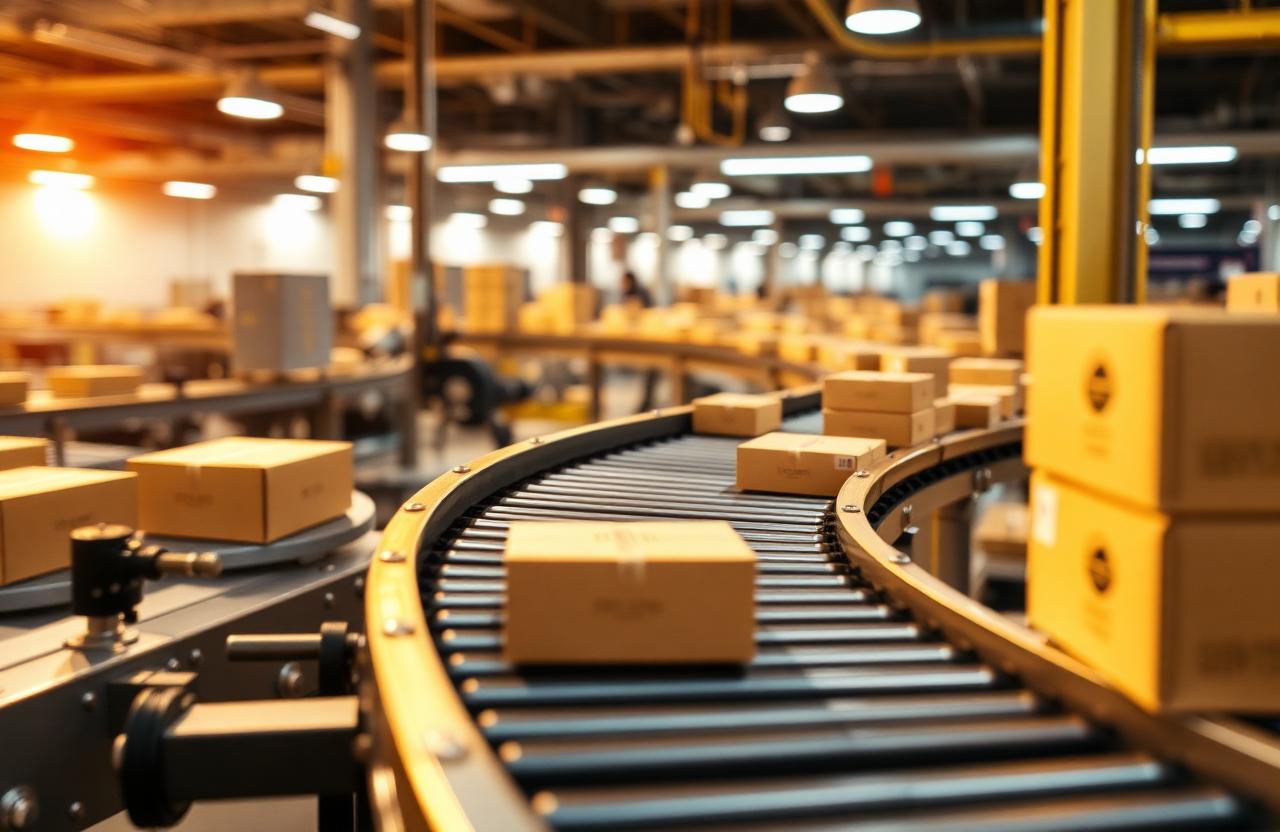
Dynamic conveyor systems are revolutionizing e-commerce fulfillment in the Benelux, offering unmatched flexibility and efficiency to handle fluctuating order volumes, reduce labor costs, and accelerate delivery times from warehouse to doorstep.
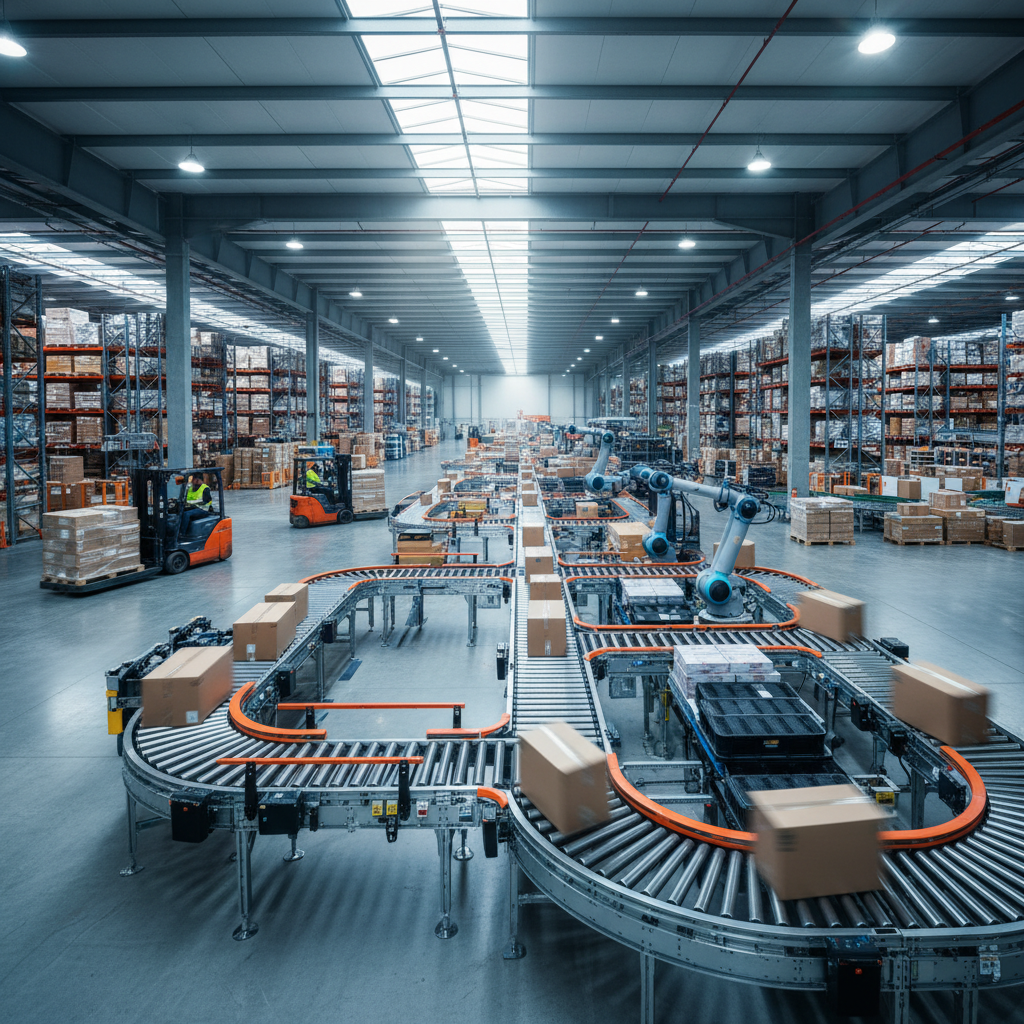
The Benelux region, with its world-class ports in Rotterdam and Antwerp, stands as the central nervous system of European logistics. For e-commerce fulfillment centers in this bustling corridor, success is a game of speed, accuracy, and efficiency. As consumer expectations for next-day—or even same-day—delivery intensify and seasonal peaks become more dramatic, traditional, static warehouse infrastructure is cracking under the pressure. The solution lies in embracing adaptable, intelligent automation: dynamic conveyor systems.
Definition
A dynamic conveyor system is a modular, intelligent material handling solution that uses sensors and a warehouse control system (WCS) to automatically adjust its path, speed, and sorting logic in real-time. Unlike static systems with fixed routes, dynamic conveyors can reroute packages, manage buffer zones, and adapt to the immediate demands of order flow, from picking to packing and shipping.
The E-commerce Challenge in the Benelux: Speed, Peaks, and Costs
Operating an e-commerce warehouse in Belgium, the Netherlands, or Luxembourg presents a unique set of challenges. Proximity to major European markets is a significant advantage, but it also creates immense pressure. Customers demand rapid delivery, order volumes can multiply overnight during events like Black Friday or Sinterklaas, and skilled labor costs are among the highest in Europe. A warehouse worker in the Netherlands or Belgium can cost an employer between €25 and €40 per hour, including social charges. Relying solely on manual labor to scale for these peaks is financially unsustainable and operationally risky. This economic reality is a primary driver for investment in smart automation that directly optimizes labor efficiency.
Core Components of a Dynamic Fulfillment System
A truly dynamic system is more than just moving belts. It's an integrated ecosystem of hardware and software working in concert. The primary components include:
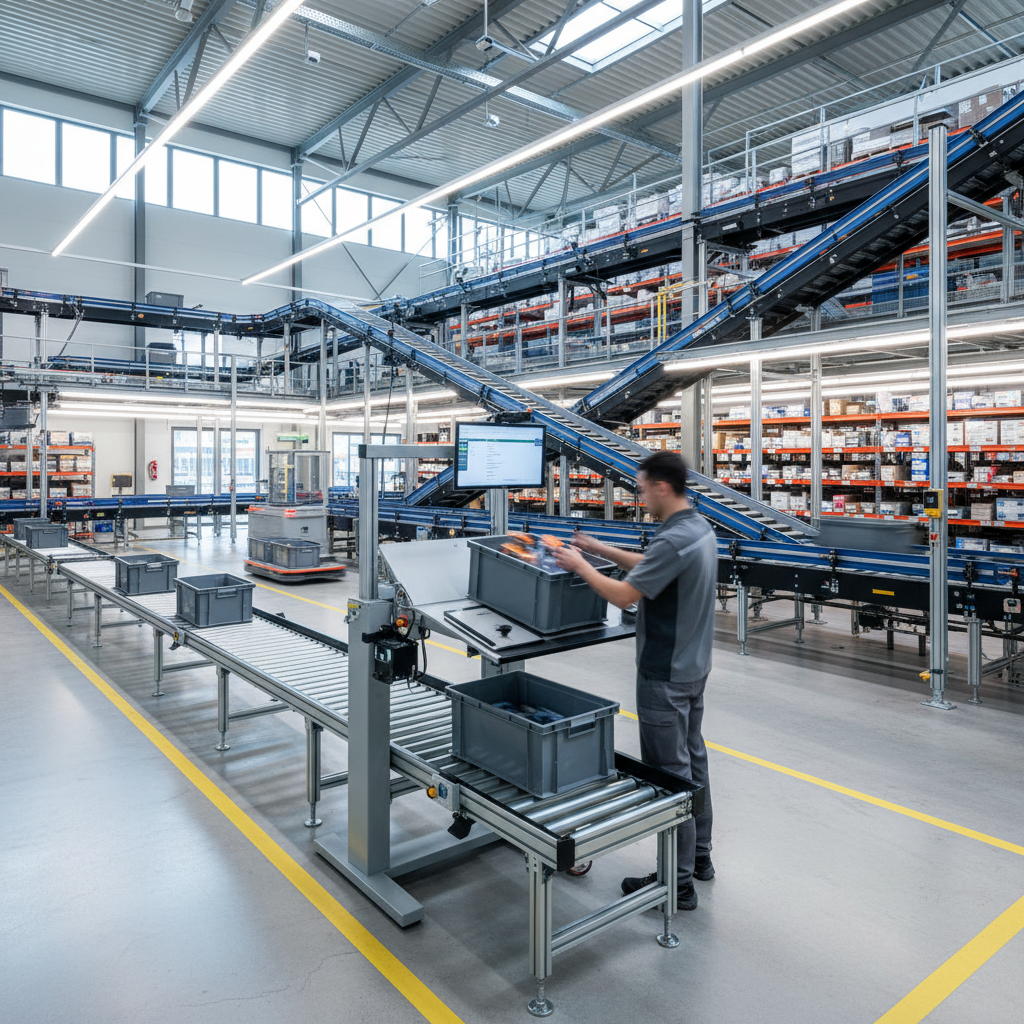
- Modular Conveyor Sections: These are pre-engineered, plug-and-play modules (e.g., straight sections, curves, mergers, diverters) that can be reconfigured or expanded with minimal downtime. A warehouse might start with a 50-meter line and expand it to 200 meters as volume grows.
- Sensors and Scanners: Barcode scanners, RFID readers, and volumetric scanners identify each package, providing the system with the data needed to make routing decisions. This ensures a package destined for Ghent is not accidentally sent to a truck heading for Groningen.
- Warehouse Control System (WCS): The "brain" of the operation. The WCS interfaces with the Warehouse Management System (WMS) and directs the physical hardware. It manages flow control, tells diverters when to activate, and adjusts belt speeds—from 0.5 m/s to 2.5 m/s—to prevent bottlenecks.
- Automated Sortation Technology: High-speed diverters, pop-up wheel sorters, or cross-belt sorters that physically route packages to the correct shipping lane, packing station, or value-added service area.
Static vs. Dynamic Conveyors: A Comparative Analysis
Choosing between a static and a dynamic system is a critical investment decision. While static systems have a lower initial cost, their limitations can quickly become a bottleneck in a growing e-commerce environment. A dynamic system offers a far superior total cost of ownership (TCO) for businesses focused on scalability and long-term efficiency.
| Feature | Static Conveyor System | Dynamic Conveyor System |
|---|---|---|
| Scalability & Flexibility | Low. Fixed path and design. Expansion is costly and disruptive. | High. Modular design allows for easy reconfiguration and expansion. |
| Peak Season Handling | Poor. Easily overwhelmed, leading to bottlenecks and manual intervention. | Excellent. WCS manages flow, utilizes buffer zones, and optimizes throughput automatically. |
| Initial Investment | Lower (e.g., €50,000 - €150,000 for a simple line). | Higher (e.g., €150,000 - €500,000+ for a medium-sized sorting system). |
| Operational Labor Cost | High. Requires significant manual sortation, supervision, and intervention. | Low. Reduces manual package handling and decision-making by up to 70%. |
| Order Accuracy | Lower. Prone to human error, with typical error rates around 1-2%. | Very High. Automated scanning and sorting reduce error rates to less than 0.1%. |
Key Benefits for Benelux E-commerce Hubs
Implementing dynamic conveyors delivers tangible, measurable results for fulfillment centers across the Benelux.
Boosting Throughput and Speed
By automating sortation and optimizing flow, dynamic systems dramatically increase the number of packages processed per hour. A mid-sized fulfillment center can see its order processing capacity double, going from 1,000 to over 2,000 units per hour (UPH) without a proportional increase in headcount. This speed is crucial for meeting late cut-off times for next-day delivery carriers like PostNL, bpost, and DHL.
Achieving Scalability for Peak Demand
The modularity of dynamic systems is their greatest strength. A business can start with a basic system and add modules, sorters, or packing lanes as they grow. This "pay-as-you-grow" model is far more capital-efficient than investing in a massive, static system from day one. During the November-December peak season, a dynamic system allows a Benelux warehouse to handle a 3x or 5x increase in volume with only a marginal increase in staff, primarily for packing.
Slashing Operational Costs
The primary cost saving is in labor. By automating the repetitive tasks of moving and sorting parcels, fulfillment centers can reallocate their staff to more complex, value-added tasks like quality control, returns processing, or customer service. A reduction of just 3-4 workers per shift through automation can translate into annual savings exceeding €200,000, providing a rapid return on investment (ROI) often within 18-36 months.
Implementation Strategy: A Phased Approach
Adopting a dynamic conveyor system does not require a complete warehouse overhaul overnight. A strategic, phased approach is most effective:
- Phase 1: Outbound Sortation. Start by automating the outbound process. Implement a conveyor line that moves packed orders from a consolidation point to a sorter that diverts them into lanes for different carriers. This provides the most immediate impact on shipping speed and accuracy.
- Phase 2: Connecting Processes. Extend the conveyor network to connect the picking zones with the packing stations. This reduces walking time for pickers and creates a steady, predictable flow of goods to the packers.
- Phase 3: Advanced Intelligence. Integrate the WCS more deeply with the WMS for dynamic routing. This can include routing items for gift-wrapping, quality checks, or creating optimized batches for picking.
Easy Systems: Your Trusted Partner for Dynamic Fulfillment
Successfully implementing a dynamic conveyor system requires more than just hardware; it demands deep expertise in logistics processes and warehouse software integration. The goal is not simply to install a conveyor, but to engineer a solution that solves specific operational bottlenecks and delivers a clear ROI. A trusted partner will analyze your unique order profile, facility layout, and growth projections to design a system that is both powerful and future-proof.
With extensive experience in the Benelux market, Easy Systems specializes in designing and deploying modular, intelligent conveyor solutions tailored for e-commerce fulfillment. We understand the local challenges and opportunities, from labor costs to carrier cut-off times. Our approach focuses on creating scalable systems that grow with your business. If you are looking to enhance your warehouse efficiency and prepare for future growth, explore the possibilities with a proven European expert. Learn more about our modular conveyor solutions and engineering approach at Easy Systems and see how intelligent automation can transform your fulfillment operations.
This article is part of the Conveyor-Design knowledge hub, edited by Easy Systems engineers who design conveyor and warehouse automation systems across the Benelux every week.
Frequently asked questions
What is the typical ROI for a dynamic conveyor system in the Benelux?+
The return on investment (ROI) for a dynamic conveyor system in the Benelux typically ranges from 18 to 36 months. This is driven by significant labor cost savings (often €25-€40 per hour per worker), increased throughput, and a dramatic reduction in shipping errors.
Can dynamic conveyors handle reverse logistics (returns)?+
Yes, they are exceptionally well-suited for reverse logistics. Their intelligent routing capabilities allow them to efficiently sort incoming returns, directing them to specific stations for inspection, refurbishment, restocking, or disposal, which streamlines a traditionally labor-intensive process.
Are these systems suitable for small to medium-sized e-commerce businesses (SMEs)?+
Absolutely. The modular nature of modern dynamic conveyors makes them ideal for SMEs. A business can start with a smaller, more affordable initial setup (e.g., for €50,000 - €150,000) and then easily add more modules and capabilities as their order volume and complexity grow.