Cold Chain Conveyors for Temperature-Controlled Benelux Hubs
Specialised conveyor systems are crucial for maintaining temperature integrity in Benelux food and pharmaceutical cold chains. Discover the materials, technologies, and designs that ensure safety and efficiency from -30°C and up.
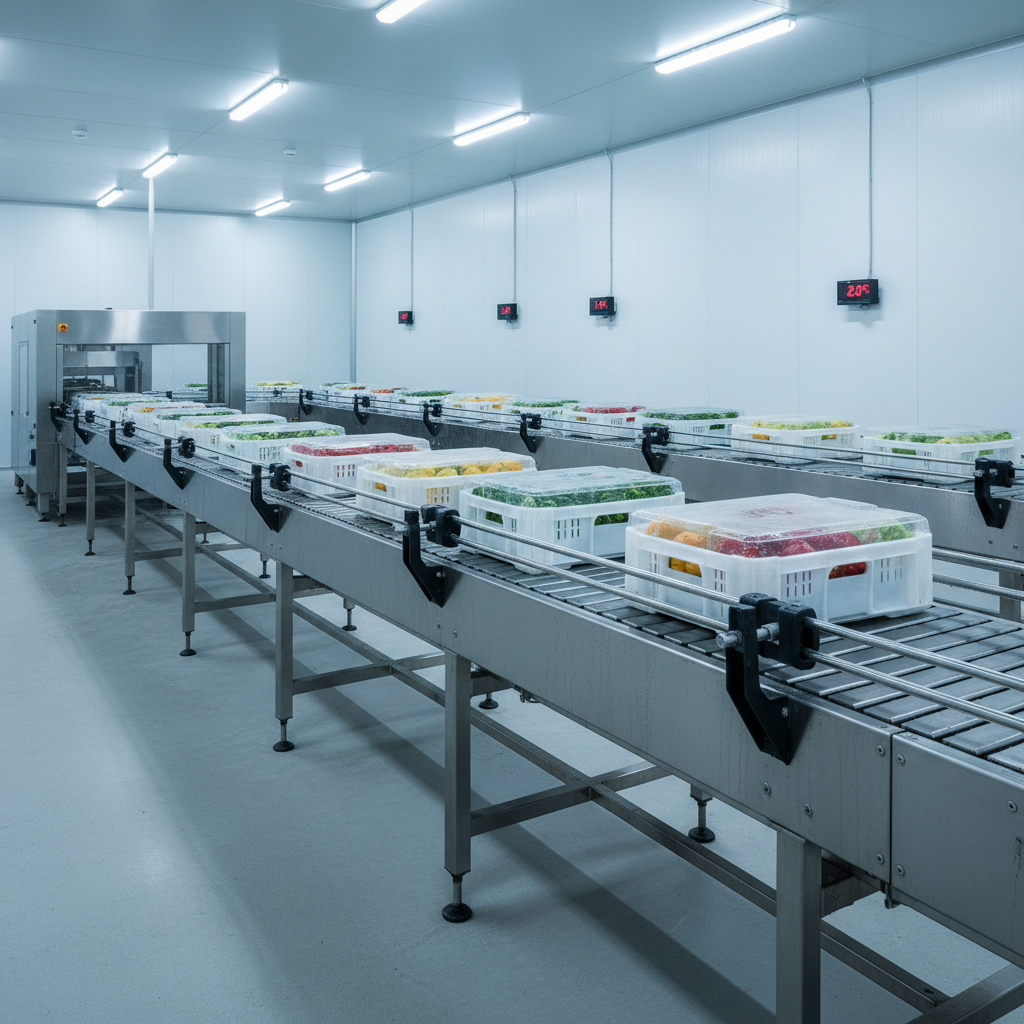
The Benelux region, a major European logistics hub, sees a massive volume of temperature-sensitive goods pass through its warehouses daily. From Dutch flowers to Belgian chocolates and vital pharmaceuticals, maintaining the cold chain is non-negotiable. Standard conveyor systems falter in these refrigerated environments. This article explores the specialised conveyor solutions engineered to perform flawlessly in the demanding conditions of cold chain logistics.
Definition
Cold chain conveyors are specialised material handling systems designed to transport goods reliably and hygienically within temperature-controlled environments, typically ranging from -30°C to +4°C. They are constructed with materials and components that withstand low temperatures, humidity, and stringent cleaning protocols to prevent product contamination and system failure.
Why Standard Conveyors Fail in Cold Environments
Deploying a standard conveyor system in a cold storage facility is a recipe for operational disruption. Several factors contribute to their rapid failure:
- Material Brittleness: Standard carbon steel and certain plastics become brittle at low temperatures, increasing the risk of cracks and complete mechanical failure.
- Lubrication Issues: Conventional lubricants thicken and freeze, leading to increased friction, motor strain, and component seizure. Specialised, food-grade synthetic lubricants are required.
- Condensation and Icing: Fluctuations in temperature and humidity cause condensation, which can freeze on the conveyor surface and within its components, obstructing movement and damaging electronics.
- Motor & Electronics Failure: Standard electric motors and sensors are not sealed or rated for the persistent humidity and low temperatures, leading to short circuits and malfunctions.
Key Features of Cold Chain Conveyors
To counter these challenges, conveyors for refrigerated environments are engineered with specific features. The choice of material is paramount, with different grades of stainless steel being the most common solution. Each offers a different balance of cost and corrosion resistance, essential in wash-down environments common in food and pharma logistics.
H3: Material Selection and Design
The frame and components are built to resist both cold and moisture. Stainless steel is the industry standard for its durability and hygienic properties. Furthermore, designs often feature an open construction and welded seams to facilitate easy cleaning and prevent the harbouring of bacteria, a critical aspect of HACCP compliance.
| Material | Temperature Range | Corrosion Resistance | Average Cost Index | Common Use Case |
|---|---|---|---|---|
| Galvanized Steel | 0°C to +50°C | Moderate | 1.0 | Dry goods, packaging areas |
| Stainless Steel (AISI 304) | -30°C to +100°C | High | 2.5 | Food processing, most cold storage |
| Stainless Steel (AISI 316) | -40°C to +100°C | Very High | 3.5 | Pharmaceutical, saline/corrosive environments |
Types of Conveyors for Benelux Cold Chains
Not all conveyor types are equally suited for the cold. In the Benelux, with its high density of food and pharmaceutical distribution, three types dominate:
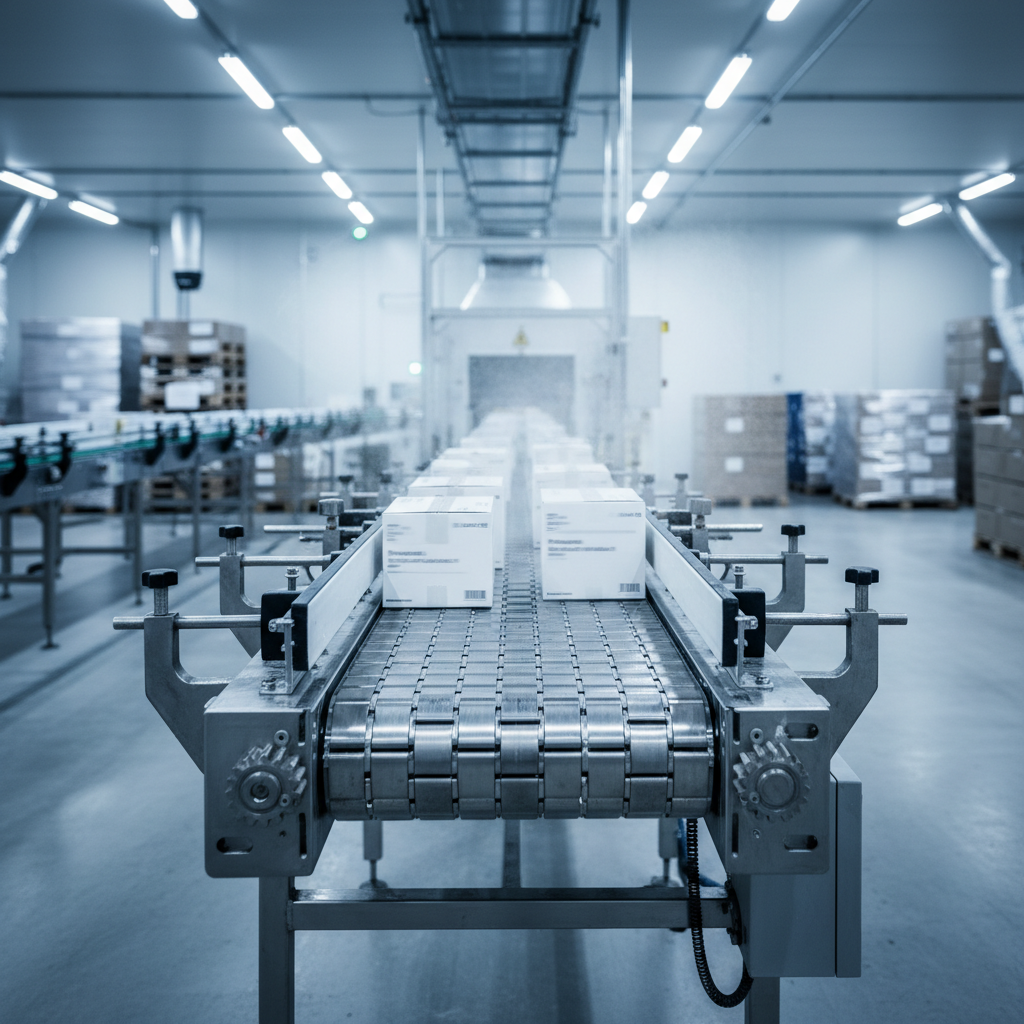
- Modular Belt Conveyor: Using plastic belts made from materials like Polyethylene (PE) or Polyoxymethylene (POM), these are highly versatile. The modular design is easy to clean, drains well, and damaged sections can be replaced quickly. They can handle various product sizes, from small vials to large boxes of frozen fish.
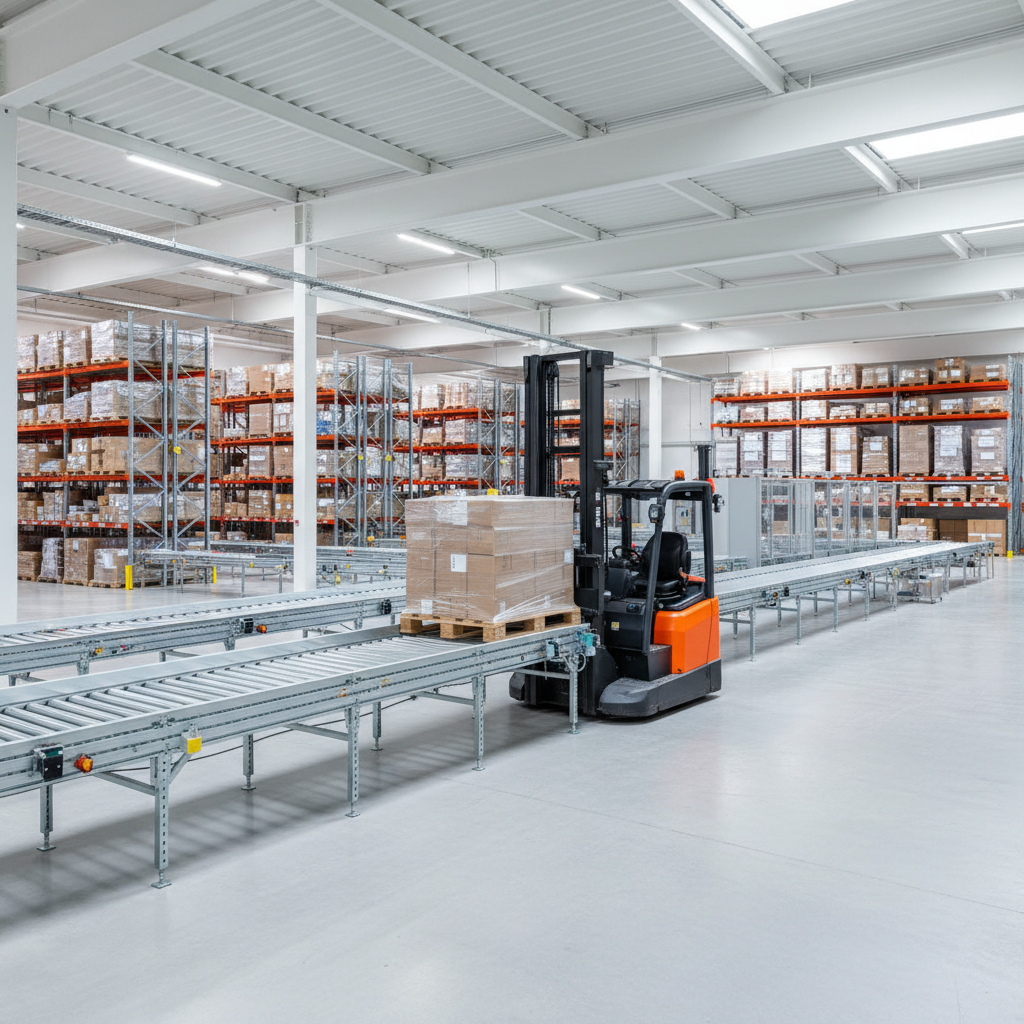
- Stainless Steel Roller Conveyor: For heavier items like pallets and large containers, roller conveyors are ideal. In cold applications, they use stainless steel rollers and frames, with specialized low-temperature bearings and often motorized rollers (MDR) that are IP66-rated or higher to protect against moisture ingress during wash-downs. For detailed specifications, our Roller Conveyor guide offers in-depth information.
- Spiral Conveyor: When vertical transport is needed in a small footprint, such as moving goods between temperature zones, spiral conveyors are indispensable. They provide continuous vertical flow and are designed with low-friction materials to operate efficiently at speeds up to 1.0 m/s, even in freezing conditions.
Regulatory Compliance in the European Union
Operating in the Benelux means adhering to strict EU food and pharmaceutical safety regulations. Key frameworks include HACCP (Hazard Analysis and Critical Control Points) and Good Manufacturing Practice (GMP). A properly designed cold chain conveyor is a critical asset for compliance. Features like easy-to-clean surfaces, minimal horizontal ledges where water could pool, and food-grade materials directly support these requirements. All data on temperature and transit time, often tracked by sensors integrated into the conveyor system and managed by a WMS, provides an essential audit trail for regulators.
Cost-Benefit Analysis for Benelux Operations
The initial investment in specialised cold chain conveyors is higher than for standard systems. A stainless steel modular belt conveyor for a chilled environment might cost between €2,500 and €4,500 per meter, while a system designed for a deep-freeze (-30°C) environment can rise to between €5,000 and €8,000 per meter. However, this investment must be weighed against the significant costs of failure.
A single hour of conveyor downtime can halt an entire distribution line, leading to tens of thousands of euros in lost productivity and potentially millions in spoiled goods. The higher upfront cost ensures reliability, reduces maintenance, and guarantees product safety, providing a clear and rapid return on investment. As written in our post "Companies grow, but their processes don't always keep up", scaling operations with the right equipment is fundamental to sustainable growth.
Maintenance in Low-Temperature Environments
Maintenance for cold chain conveyors requires a specific approach. Key considerations include:
- Scheduled Inspections: Regularly check for ice build-up, belt tension (as materials contract in the cold), and bearing wear.
- Appropriate Lubrication: Use only manufacturer-approved, low-temperature, food-grade lubricants. A typical relubrication schedule might be every 500 operating hours, depending on the load and environment.
- Cleaning Protocols: Cleaning must be done with solutions that are effective at low temperatures and won't corrode materials. The system should be allowed to dry thoroughly to prevent icing.
Easy Systems: Your Partner for Cold Chain Conveyor Solutions
Navigating the complexities of cold chain automation requires expertise. At Easy Systems, we have a proven track record of designing and implementing robust conveyor solutions for temperature-controlled environments across the Benelux and Europe. We understand the unique material, engineering, and regulatory challenges involved. Our modular approach ensures that you get a system perfectly tailored to your product, facility, and operational goals, from initial concept to installation and long-term support. We deliver systems built for reliability, safety, and efficiency, ensuring your cold chain remains unbroken.
This article is part of the Conveyor-Design knowledge hub, edited by Easy Systems engineers who design conveyor and warehouse automation systems across the Benelux every week.
Frequently asked questions
What is the typical lifespan of a stainless steel conveyor in a cold chain environment?+
A well-maintained stainless steel conveyor system designed for cold chain applications has a typical lifespan of 15 to 20 years. Lifespan is influenced by factors like operating hours, cleaning protocols, and the corrosiveness of the environment (e.g., saline products).
Can existing conveyor systems be retrofitted for cold storage?+
Retrofitting a standard conveyor for cold storage is generally not recommended or feasible. Key components like the frame, belt material, motor, and lubricants are not designed for low temperatures and will fail. A purpose-built system is the only reliable solution.
How does a cold chain conveyor handle condensation?+
Cold chain conveyors are designed with materials like stainless steel that resist corrosion from condensation. More importantly, they feature open-frame designs, sloped surfaces, and perforations in belts to prevent water from pooling and freezing, ensuring good drainage during operation and cleaning cyclists.
What motor specifications are required for conveyors in a -25°C environment?+
Motors for a -25°C environment must be specifically rated for low-temperature operation. They typically feature special synthetic lubricants, sealed housings (IP66 or higher) to prevent moisture ingress, and sometimes internal heaters to prevent condensation from freezing during downtime.