Conveyor Systems
Roller, belt, modular and pallet conveyor technology explained.
Conveyor systems are the circulatory system of every modern warehouse and production facility. From gravity roller lanes at the dock to 24 V motor-driven roller (MDR) zones feeding pick stations, the right conveyor choice decides throughput, ergonomics and energy use for the next 10–15 years.
This hub collects guides on roller, belt, modular plastic and pallet conveyors — when to use each, how to size frames and rollers, and how to integrate them with WMS and WCS layers. The articles target engineers, operations managers and consultants who specify, compare and approve conveyor projects in Benelux and wider European distribution centers.
Easy Systems engineers, who design and install conveyor lines across Belgium, the Netherlands and Luxembourg, review every piece for real-world fit.
Articles in Conveyor Systems
 Conveyor Systems
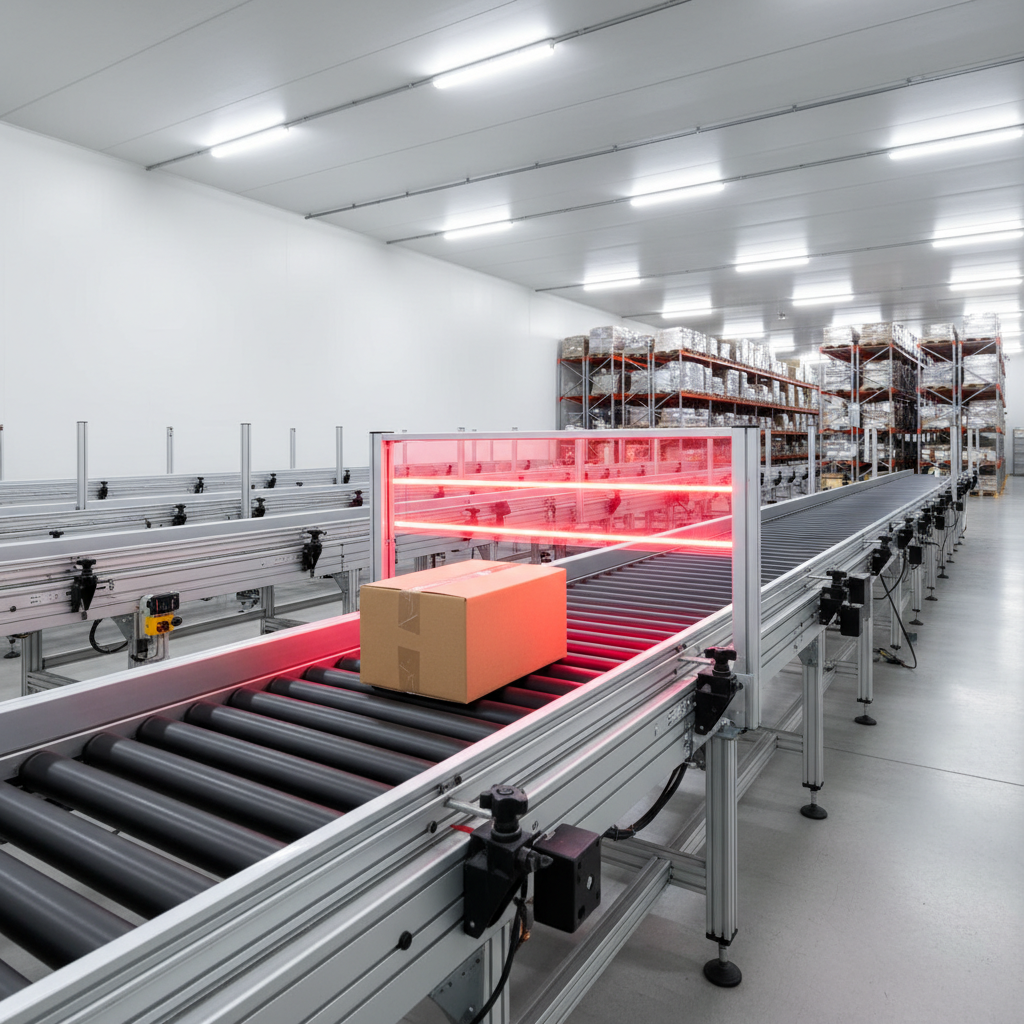
Safety First: Advanced Sensor Technology in Benelux Conveyors
Implementing advanced sensor technology is crucial for modern Benelux conveyor systems. This guide covers key sensors, their benefits for safety and efficiency, and how to comply with European regulat
 Conveyor Systems
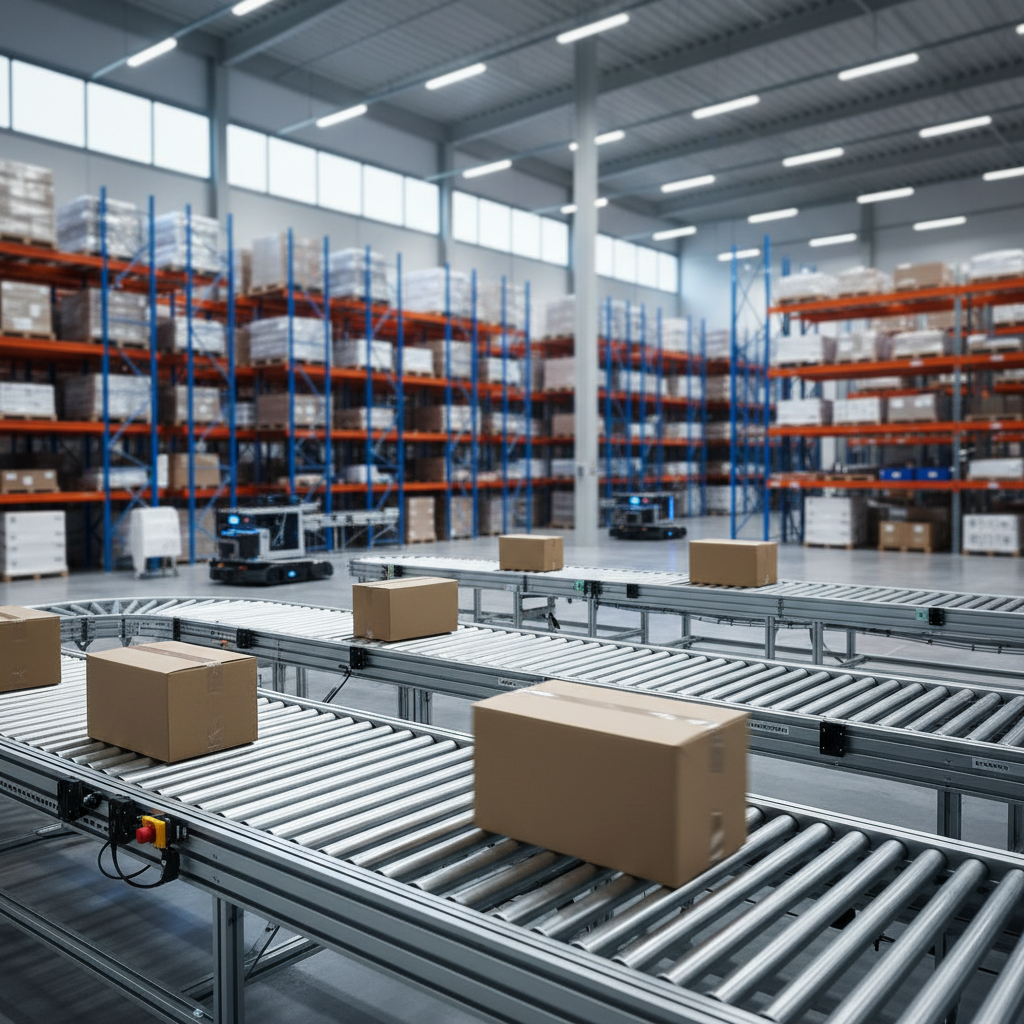
Modular Conveyors: Ultimate Flexibility for Benelux Logistics
In the fast-paced logistics landscape of the Benelux, modular conveyor systems offer unparalleled flexibility and scalability. Learn how these plug-and-play solutions help warehouses adapt, grow, and
About conveyor systems
Which conveyor type fits my warehouse?+
It depends on load (carton, tote, pallet), throughput, accumulation needs and integration. Gravity roller is cheapest for short manual lines; 24V MDR is standard for automated case handling; belt conveyors handle small/irregular items; chain or pallet conveyors handle heavy unit loads above ~30 kg.
What is the difference between a belt and a roller conveyor?+
A roller conveyor moves loads on rotating rollers — best for flat, rigid items. A belt conveyor uses a continuous belt — better for small, fragile or irregular items and inclines above ~5°.
How long do industrial conveyors typically last?+
Mechanically 15–20 years with preventive maintenance. Drive electronics and controls usually need refresh after 8–12 years; belts and rollers are wear parts replaced on condition.
Can I extend or reconfigure a conveyor later?+
Yes if you specify a modular 24V system from the start. Plug-and-play modules allow zones to be added, shortened or rerouted without rewiring the entire line.
Planning a new conveyor or automation project?
Easy Systems designs and installs internal transport, conveyor and warehouse automation systems across the Benelux. Tell them about your flow — they'll come back with a system that scales.