Warehouse Automation Trends 2026: What's Actually Working in Europe
From plug-and-play conveyors to AI-driven slotting and humanoid pickers, here are the warehouse automation trends moving from pilot to production this year.
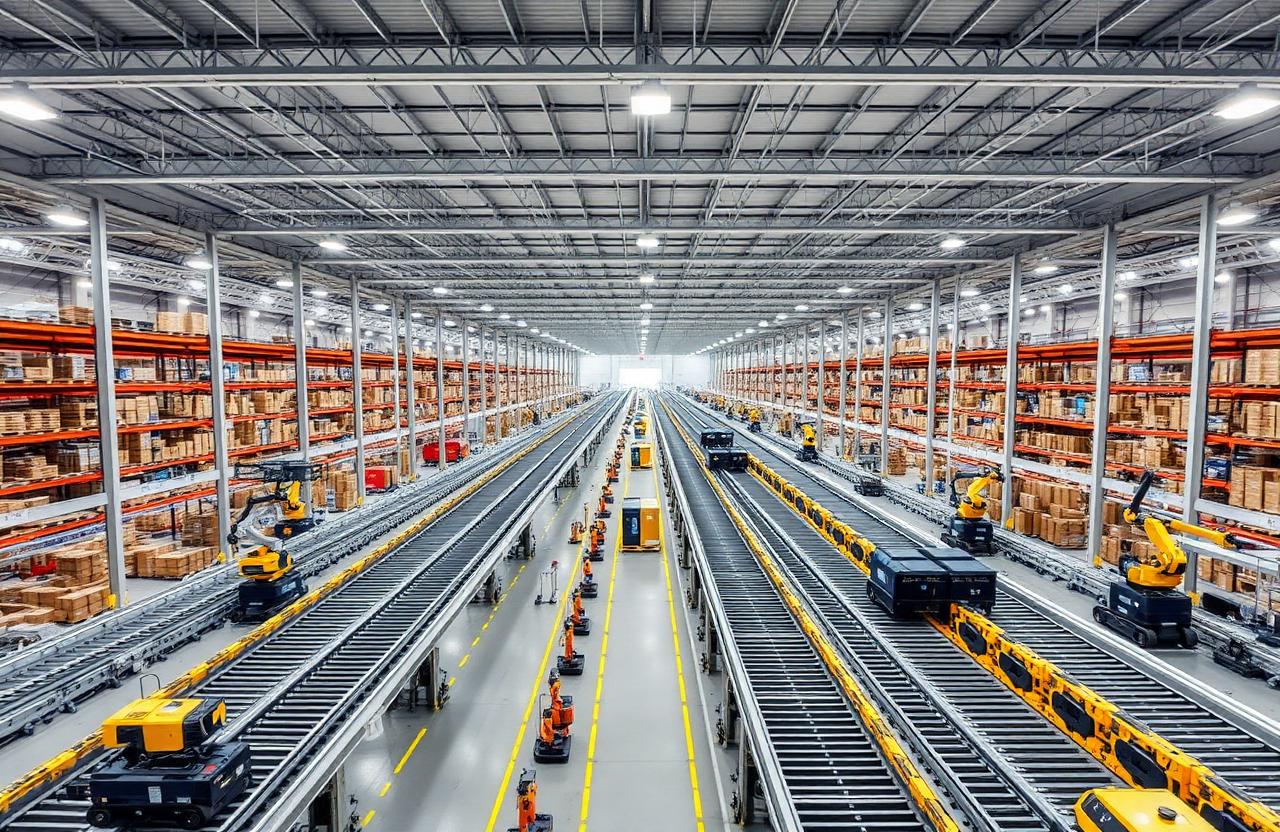
Warehouse automation in 2026 is less about science-fiction robots and more about modular systems that pay back inside three years. Here's what's actually moving from pilot to production across European distribution centers.
1. Plug-and-play conveyors are eating fixed installations
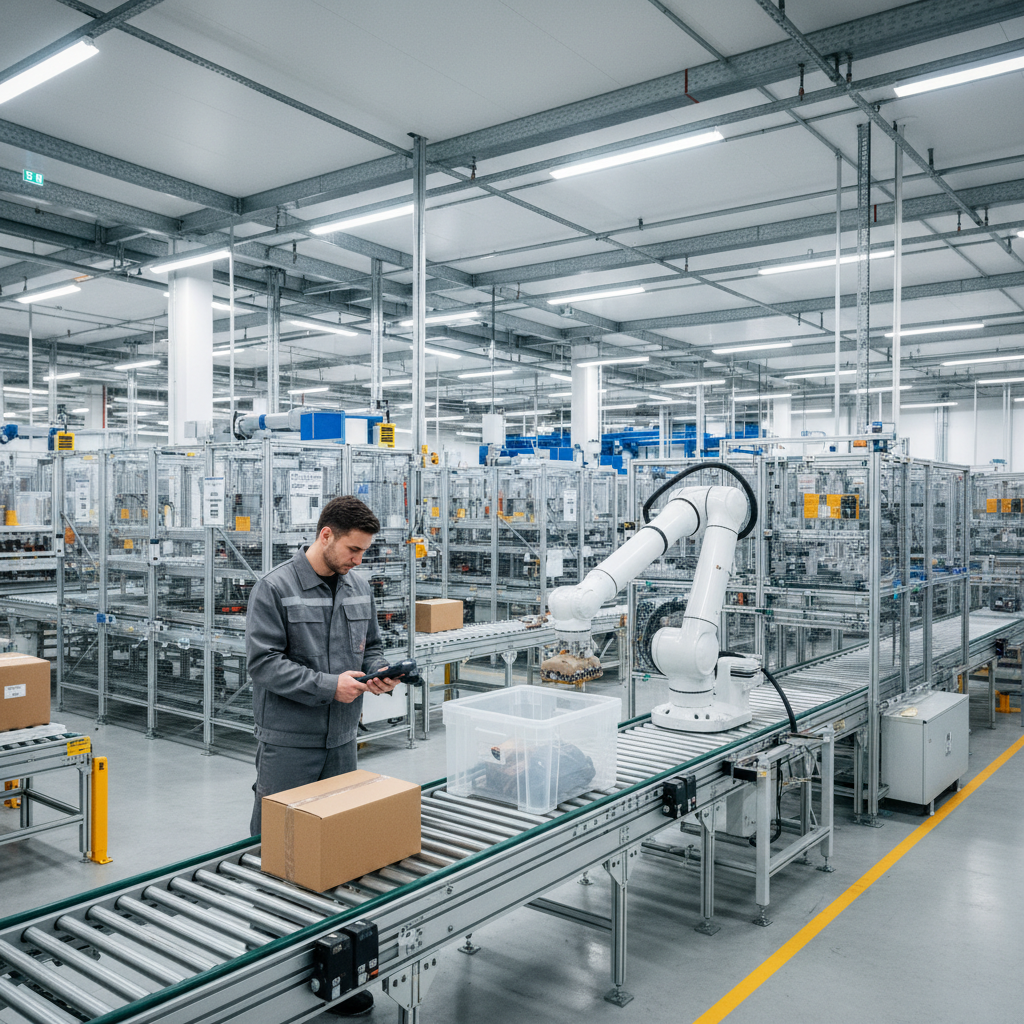
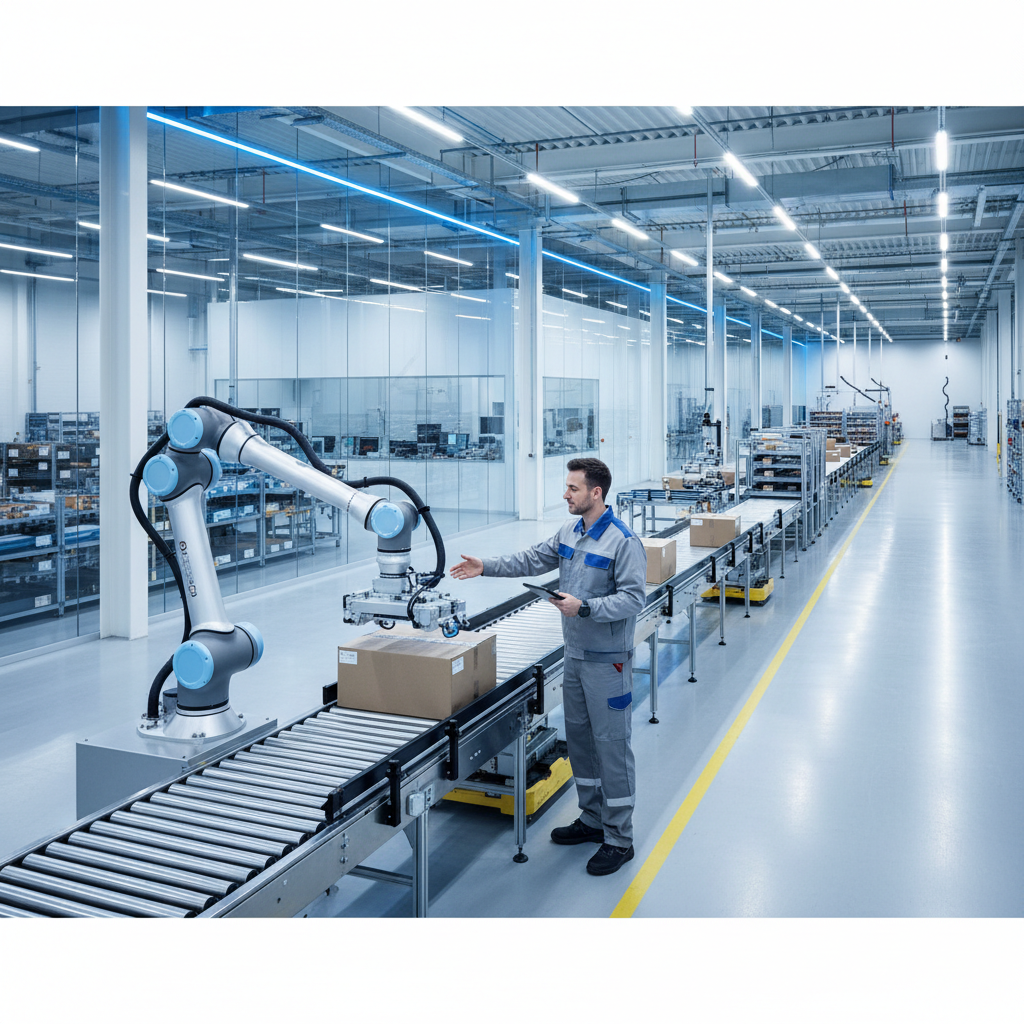
The biggest shift on the floor is the rise of modular 24V motorized driven roller (MDR) conveyors. Instead of a six-month commissioning project, operators install pre-engineered modules in days and reconfigure layouts as SKUs change.
2. Goods-to-person picking goes mainstream
AS/RS shuttles, AutoStore-style grids and mobile robots that bring totes to stationary pickers have moved from early adopters to standard practice in e-commerce fulfillment.
3. AI-driven slotting and routing
Modern WMS and WCS platforms use AI to slot SKUs by velocity, weight and shape, and to route conveyors and robots dynamically based on real-time congestion.
| Trend | Maturity | Typical ROI |
|---|---|---|
| 24V MDR conveyors | Production | 18–30 months |
| Goods-to-person AS/RS | Production | 24–48 months |
| AMRs for transport | Production | 18–36 months |
| AI slotting | Scaling | 6–12 months |
| Humanoid pickers | Pilot | Not proven |
4. Predictive maintenance becomes table stakes
Connected drives and sensors now feed maintenance platforms that flag bearing wear, motor heat and belt slippage before they cause downtime.
5. Energy efficiency is a board-level KPI
Rising energy costs make 24V conveyors, regenerative drives and zero-pressure accumulation easy wins — cutting consumption 30–60% versus legacy 400V lines.
Where to start
The operators winning in 2026 share one habit: they automate the bottleneck first. Easy Systems helps Benelux operators identify that bottleneck and design internal transport and conveyor solutions that scale with the business — not against it.

This article is part of the Conveyor-Design knowledge hub, edited by Easy Systems engineers who design conveyor and warehouse automation systems across the Benelux every week.
Frequently asked questions
What is the biggest warehouse automation trend in 2026?+
The shift from monolithic, multi-year automation projects to modular, plug-and-play systems — especially 24V conveyors, mobile robots and cloud-native WCS — that can be installed and scaled in weeks instead of years.
Is full warehouse automation worth it for mid-sized operators?+
For most mid-sized European operators, partial automation focused on the bottleneck (inbound, picking or shipping) delivers higher ROI than full automation. Payback under 36 months is realistic when the system is sized to actual flow, not peak forecasts.
How does AI change warehouse operations?+
AI now drives slotting, dynamic routing, predictive maintenance and labor planning. The biggest gains come from combining AI with real-time conveyor and robot telemetry, not from AI alone.