Retrofitting Legacy Conveyors: Boost Efficiency in Benelux
Is your legacy conveyor system struggling to keep pace with modern demands? Retrofitting offers a powerful, cost-effective solution for warehouses in the Benelux, boosting efficiency and extending the lifespan of your existing infrastructure without the high cost of a complete overhaul.
In the bustling logistics landscape of the Benelux, where distribution centers are the heart of European trade, the efficiency of your material handling systems is paramount. Many warehouses operate on conveyor systems installed decades ago. While reliable, these legacy systems can become bottlenecks, struggling to keep up with the speed and complexity of modern e-commerce and supply chain demands. This article explores a strategic alternative to a costly full replacement: retrofitting. By integrating modern technology into your existing conveyor infrastructure, you can significantly boost efficiency, extend operational lifespan, and achieve a rapid return on investment.
The Challenge with Legacy Conveyor Systems in the Benelux
Legacy conveyor systems, often robustly built, are the workhorses of many warehouses in the Netherlands, Belgium, and Luxembourg. However, they increasingly present several challenges in today's fast-paced environment. Their fixed speeds, outdated controls, and lack of data-gathering capabilities can lead to inefficiencies, higher energy consumption, and increased maintenance costs. For instance, a typical 10-year-old system can consume up to 50% more energy than a modern equivalent. Furthermore, sourcing spare parts for obsolete components can be a significant operational risk, potentially leading to extended downtime.
Retrofitting vs. Full Replacement: A Strategic Cost-Benefit Analysis
When faced with an underperforming conveyor system, the immediate thought might be a complete overhaul. However, retrofitting offers a compelling, financially prudent alternative. A full replacement is a capital-intensive project involving high costs for new equipment, extensive downtime for installation, and significant disruption to warehouse operations. Retrofitting, on the other hand, focuses on targeted upgrades to critical components, delivering substantial performance improvements at a fraction of the cost—often between 30-60% of a new system.
| Aspect | Retrofitting | Full System Replacement |
|---|---|---|
| Initial Cost | Low to Moderate (30-60% of replacement) | Very High |
| Operational Downtime | Minimal, can be phased | Extensive, major disruption |
| Implementation Time | Weeks to a few months | Many months to over a year |
| Performance Uplift | Significant (e.g., 25-40% throughput increase) | Maximum potential |
| Sustainability | High (reuses existing assets) | Low (high resource consumption) |
| ROI | Rapid (typically under 24 months) | Long-term |
Key Areas for a High-Impact Conveyor Retrofit
A successful retrofit targets the components that yield the greatest return. Here are the most impactful upgrades for a legacy system:
- Motor & Drive Upgrades: Replacing older AC motors with modern, high-efficiency motorized rollers or permanent magnet motors can reduce energy consumption by up to 70%. These drives offer better speed control and require less maintenance.
- Controls & PLC Modernization: The brain of your conveyor system is the Programmable Logic Controller (PLC). Upgrading an outdated PLC to a modern equivalent allows for smarter routing, better system diagnostics, and integration with your Warehouse Management System (WMS).
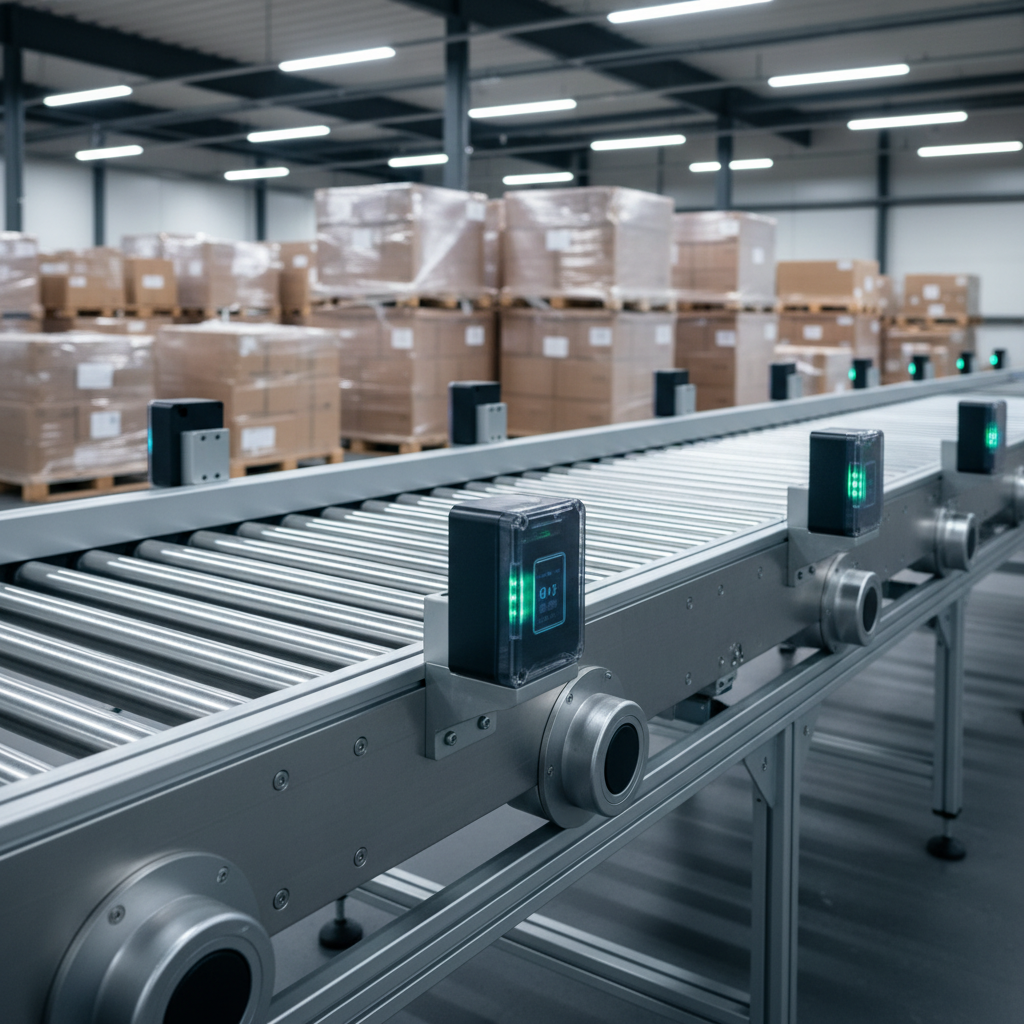
- Sensor & Scanning Technology: Integrating modern photo-eye sensors, barcode scanners, and RFID readers enables automated sorting, tracking, and data collection. This reduces manual errors and provides real-time visibility into your product flow.
- Sortation Technology: For warehouses dealing with high volumes of diverse SKUs, adding or upgrading sortation systems (like a shoe sorter or a belt-transfer unit) can dramatically increase throughput and accuracy.
The Retrofitting Process: A Step-by-Step Guide
A structured approach is crucial for a successful retrofit project. This ensures minimal disruption and maximum impact. A typical project follows these phases:
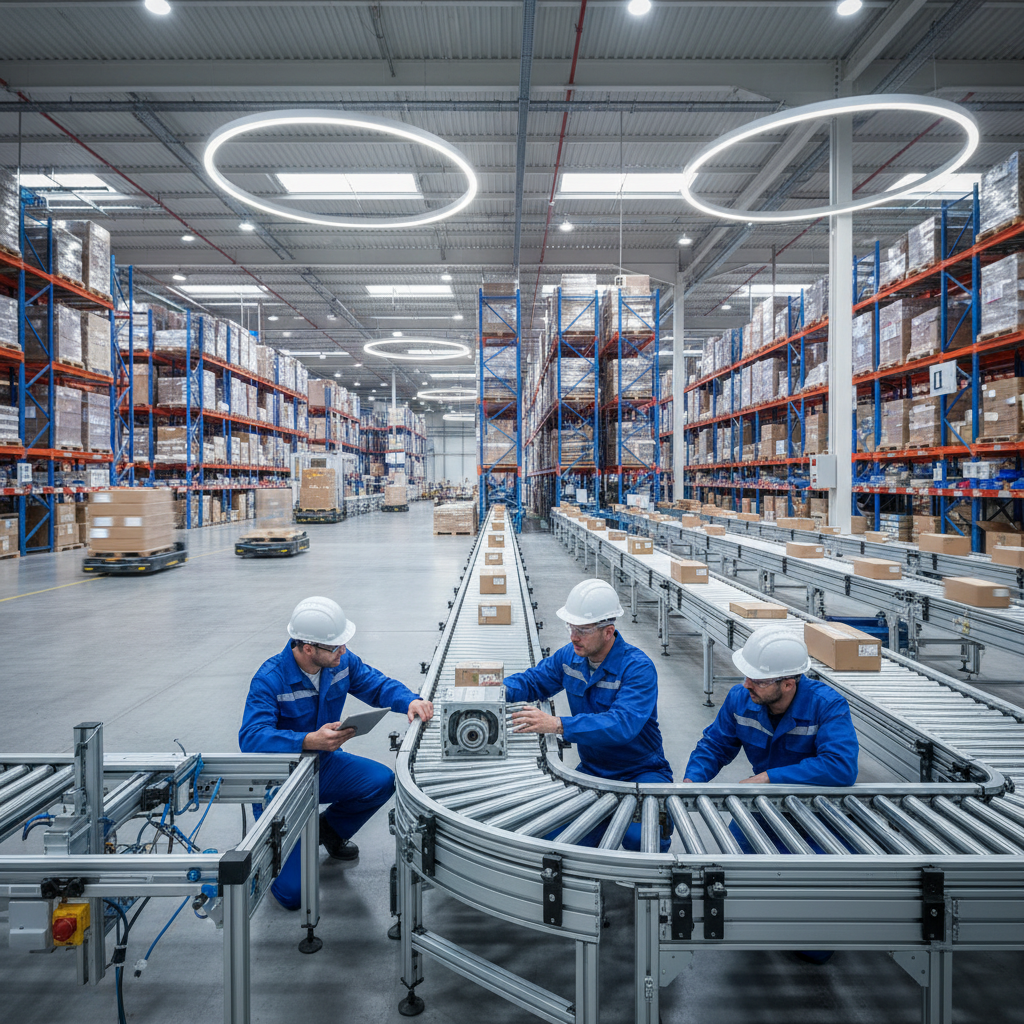
- System Audit & Performance Analysis: The first step is a comprehensive audit of your existing system. This involves assessing the mechanical state of the conveyor, analyzing current throughput data, and identifying key bottleneck areas.
- Defining Goals & KPIs: Based on the audit, you must define clear objectives. Do you need to increase throughput by 30%? Reduce energy costs? Improve sortation accuracy? These goals will guide the entire project.
- Solution Design & Phased Implementation Plan: An experienced integrator will design a tailored solution. This plan should be modular and phased, allowing upgrades to be implemented during non-peak hours or scheduled maintenance windows to minimize operational disruption.
- Execution & Commissioning: This phase involves the physical installation of new components and the integration of new software. Rigorous testing is performed before the upgraded system goes live.
Real-World Example: Retrofitting a Benelux E-commerce Hub
Consider a large e-commerce fulfillment center in the Netherlands that was struggling with a 15-year-old conveyor system during peak season. The system had fixed-speed motors and a basic PLC, leading to package jams and an average throughput of 1,200 cartons per hour. A full replacement was quoted at €2.5 million with six weeks of downtime.
Instead, the company opted for a targeted retrofit. The project included:
- Upgrading key conveyor sections to 24V DC motorized rollers.
- A new PLC with a modern control software package.
- Integrated barcode scanners for automated sorting.
The total project cost was €850,000 and was implemented in phases over three weekends. The result? Throughput increased by 40% to nearly 1,700 cartons per hour, energy consumption dropped by 60%, and sortation accuracy reached 99.9%. The investment paid for itself in just 18 months.
Sustainability: The Green Advantage of Retrofitting
In a world increasingly focused on corporate social responsibility, retrofitting is a highly sustainable choice. It extends the life of existing steel and aluminum structures, significantly reducing the carbon footprint associated with manufacturing and transporting a complete new system. By reusing the bulk of the mechanical infrastructure, you are making a decision that is not only economically sound but also environmentally responsible—a key consideration for businesses in the eco-conscious Benelux market.
Positioning Your Warehouse for the Future
Retrofitting isn’t just about fixing current problems; it’s about future-proofing your operations. A modernized control system allows for seamless integration of future technologies, such as collaborative robots (cobots), advanced vision systems, and AI-powered analytics. This adaptability ensures your warehouse can evolve alongside the rapidly changing demands of the logistics industry.
Easy Systems: Your Trusted Partner for Conveyor Retrofitting in the Benelux
Choosing the right partner is critical to the success of your retrofitting project. With deep expertise in the European logistics landscape, Easy Systems provides tailor-made conveyor solutions that breathe new life into legacy systems. Our approach is collaborative and data-driven. We begin with a thorough analysis of your existing operations to design a high-impact retrofitting strategy that aligns with your budget and operational goals. Whether you are in the Netherlands, Belgium, or Luxembourg, we can help you unlock the hidden potential within your warehouse. For more information on our innovative conveyor and automation solutions, please visit our website at Easy Systems.
This article is part of the Conveyor-Design knowledge hub, edited by Easy Systems engineers who design conveyor and warehouse automation systems across the Benelux every week.
Frequently asked questions
What is the typical ROI for a conveyor retrofit project?+
The Return on Investment (ROI) for a conveyor retrofit is typically very rapid, often under 24 months. This is achieved through a combination of increased throughput, significant energy savings (up to 70%), lower maintenance costs, and improved labor efficiency.
How much downtime is required for a retrofit?+
One of the key advantages of retrofitting is minimal downtime. Projects are strategically planned and implemented in phases, often during nights, weekends, or scheduled maintenance periods, to ensure your warehouse operations continue with little to no disruption.
Can any conveyor system be retrofitted?+
Most legacy conveyor systems with a solid mechanical frame are excellent candidates for retrofitting. A thorough system audit by an experienced integrator will determine the feasibility and potential upgrades for your specific system, regardless of the original manufacturer.
What are the first steps to start a retrofitting project?+
The first step is to conduct a professional audit of your current system. This analysis will identify bottlenecks, assess the condition of mechanical and electrical components, and provide the data needed to create a business case and a clear roadmap for the upgrade.