Modular Conveyors: Ultimate Flexibility for Benelux Logistics
In the fast-paced logistics landscape of the Benelux, modular conveyor systems offer unparalleled flexibility and scalability. Learn how these plug-and-play solutions help warehouses adapt, grow, and thrive.
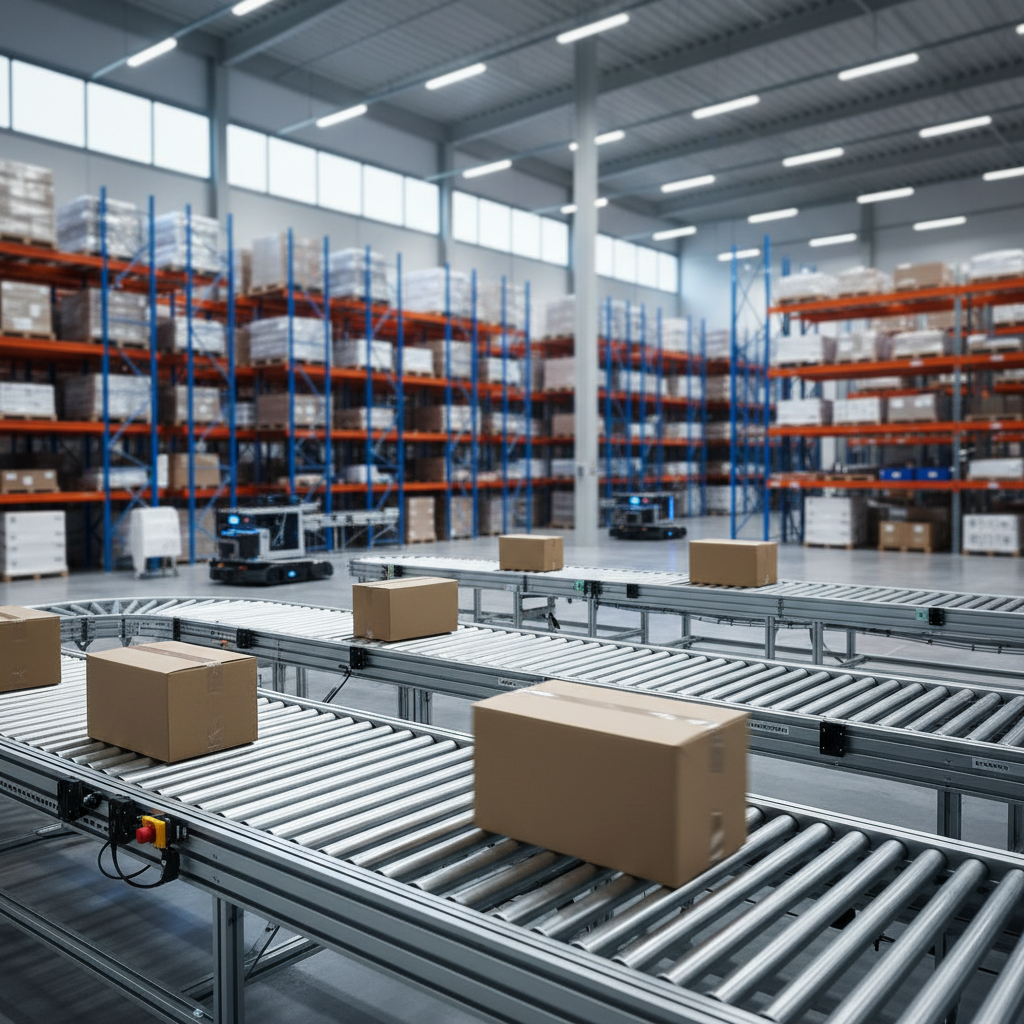
In the high-density, fast-paced logistics heart of Europe—the Benelux—the pressure to adapt has never been greater. Driven by booming e-commerce and its central location in the European market, distribution centers in Belgium, the Netherlands, and Luxembourg demand agility. Traditional, fixed conveyor systems struggle to keep up with fluctuating demand, diverse product mixes, and the constant need for process optimization. The solution lies in a paradigm shift: modular conveyor systems, the key to flexible, scalable, and future-proof logistics.
What Exactly Are Modular Conveyor Systems?
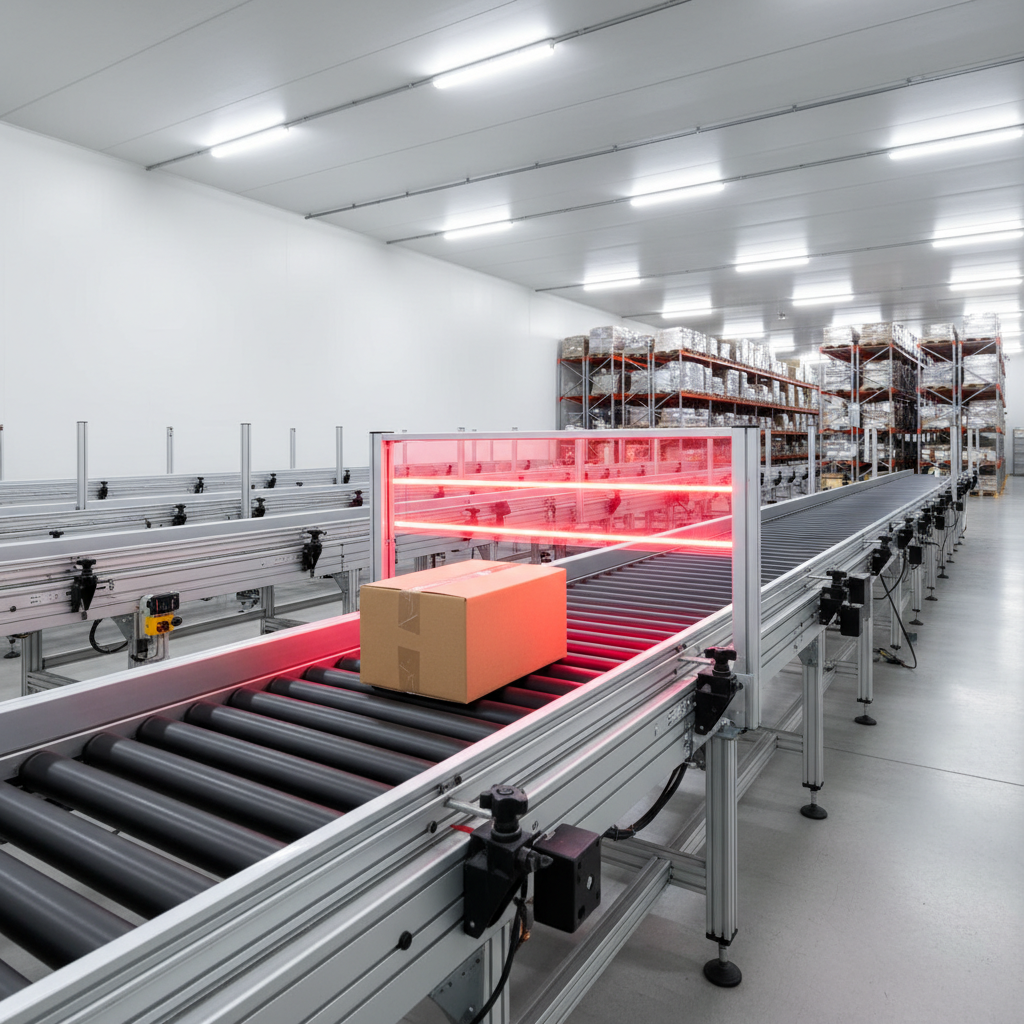
At its core, a modular conveyor system is an assembly of standardized, pre-engineered, and interchangeable components that connect to form a complete material handling solution. Think of them as industrial-grade building blocks. Unlike traditional conveyors, which are often custom-welded and built for a single, permanent layout, modular systems consist of various 'plug-and-play' sections:
- Straight roller or belt sections
- Curves and bends
- Inclines and declines
- Merge and divert modules
- Sorter integrations
These modules are designed to fit together seamlessly, with standardized electrical connectors and mechanical fixings. This design philosophy eliminates the need for extensive on-site welding, cutting, and custom fabrication, drastically reducing installation and reconfiguration time. An operator can, with minimal training, re-route a conveyor line or insert a new workstation over a weekend, a task that would take weeks and significant cost with a conventional system.
The Core Advantages: Flexibility and Scalability Explained
The two defining benefits of modular systems are flexibility and scalability—two sides of the same coin. Flexibility is the ability to adapt the system to changing operational needs. For a Benelux 3PL provider, this could mean reconfiguring a line to accommodate a new client with different packaging dimensions. A change that once required a major engineering project can now be completed in hours or days. Imagine switching a line from handling small cosmetic boxes to larger electronics cartons; modularity allows you to adjust widths, add weighing stations, or change sorting destinations with minimal disruption.
Scalability is the ability to grow the system in tandem with your business. Many businesses in the Benelux start with a focused operation and expand as their market share increases. Modular conveyors support this perfectly. You can start with an initial investment covering your current throughput needs—for example, a system capable of handling 1,500 parcels per hour. As your volume grows to 2,500 parcels per hour, you can simply add more drive sections, another sorting lane, or an extended packing area without replacing the entire system. This phased investment approach preserves capital and aligns expenditure directly with revenue growth.
A Comparative Analysis: Modular vs. Traditional Conveyors
To understand the practical impact, a direct comparison is essential. The choice between a modular and a traditional system affects everything from initial cost to long-term operational efficiency.
| Feature | Modular Conveyor System | Traditional Conveyor System |
|---|---|---|
| Installation Time | Days to a few weeks | Weeks to several months |
| Scalability | Excellent; add modules as needed | Poor; requires significant rework or replacement |
| Reconfiguration | Fast and easy; minimal downtime | Slow and expensive; major downtime expected |
| Maintenance | Simplified; swap out faulty modules | Complex; often requires specialist repair on-site |
| Total Cost of Ownership (TCO) | Lower due to flexibility and phased investment | Higher due to inflexibility and large upfront cost |
Key Applications in the Benelux Warehouse Landscape
The strategic location of the Benelux makes it a hotspot for specific logistics activities where modular conveyors provide a distinct competitive advantage.
E-commerce Fulfillment
With major ports like Rotterdam and Antwerp and air cargo hubs like Liège and Amsterdam Schiphol, the Benelux is Europe's premier e-commerce gateway. Warehouses here face immense pressure from seasonal peaks (e.g., Black Friday, Sinterklaas, Christmas) and a vast diversity of SKUs. Modular systems allow fulfillment centers to quickly set up temporary packing lines, re-route flows for returns processing (reverse logistics), and adapt sorting logic as product popularity changes, ensuring they can meet tight delivery windows across Europe.
Third-Party Logistics (3PL)
The Netherlands and Belgium have a high concentration of 3PL providers who serve a portfolio of clients. A 3PL’s success depends on its ability to onboard new customers quickly and efficiently. Modular conveyors are a game-changer, enabling a 3PL to re-tool a section of their warehouse for a new client’s specific needs—from fashion to pharmaceuticals—in a fraction of the time, turning a potential 6-month integration project into a 6-week one.
Manufacturing & Assembly
The region’s advanced manufacturing sector relies on just-in-time (JIT) and just-in-sequence (JIS) principles. Modular conveyors provide the agility to change assembly lines in response to new product models or custom orders without halting production for extended periods. This is crucial for automotive suppliers and high-tech electronics manufacturers.
The Financial Equation: A Lower Total Cost of Ownership
While the initial purchase price might be comparable to some traditional systems, the long-term financial benefits of modularity are significant. The true cost is not the purchase price but the Total Cost of Ownership (TCO). A modular approach reduces TCO by:
- Phased Investment: Avoids a single, massive capital expenditure. Instead of a €2M upfront investment for a system built for 5-year peak projections, you can invest €750k now and add modules as you hit growth milestones.
- Reduced Installation Costs: Less time on-site for engineers and technicians means lower labor costs and faster time-to-value. A 2-week installation instead of a 6-week one can save over €50,000 in direct costs and lost productivity.
- Minimized Downtime: The cost of a stopped line in a high-volume DC can be thousands of euros per hour. Quick reconfigurations over a weekend instead of a week can mean the difference between profit and loss during peak season.
- Higher Asset Value: Because modules are standardized and reusable, they retain a much higher residual value than a custom-welded system designed for a single purpose.
Implementation Best Practices
To maximize the benefits of modularity, a strategic approach is necessary. First, conduct a thorough analysis of your current and anticipated material flows. Identify bottlenecks and areas where future flexibility will be most needed. Second, collaborate with a partner who can help you design a layout that is not only efficient today but also considers future expansion points—where will you add a new packing line or a sorter in two years? Third, leverage simulation software to model different scenarios and validate throughput capacity before a single piece of hardware is ordered. Finally, ensure your team is trained not just to operate the system, but to understand its modular potential for basic maintenance and reconfiguration.
Why Easy Systems is Your Trusted Partner for Modular Conveyors in the Benelux
Choosing the right system is only half the battle; choosing the right partner is critical. Easy Systems (BOA Concept) is a premier European designer and manufacturer of advanced modular conveyor systems. With a deep understanding of the specific challenges and opportunities within the Benelux market—from the space constraints of urban warehouses to the high-throughput demands of major distribution hubs—we provide more than just hardware. We deliver future-proof logistics solutions. Our plug-and-play systems are designed for reliability, efficiency, and ultimate flexibility. By partnering with us, you gain a team of experts dedicated to helping you design, implement, and scale a conveyor system that grows with your business. For a closer look at our innovative solutions tailored for the European market, visit us at Easy Systems. We are your partner in building the agile, scalable, and profitable logistics operation of tomorrow.
This article is part of the Conveyor-Design knowledge hub, edited by Easy Systems engineers who design conveyor and warehouse automation systems across the Benelux every week.
Frequently asked questions
What is the main difference between a modular and a traditional conveyor?+
The main difference is flexibility. A modular conveyor uses standardized, interchangeable parts that can be easily reconfigured or expanded, whereas a traditional conveyor is typically custom-built and welded for a single, fixed purpose.
How long does it take to install a modular conveyor system?+
Installation time is significantly shorter. While a traditional system can take weeks or months, a small-to-medium modular system can often be installed and commissioned in a matter of days, thanks to its plug-and-play design.
Are modular conveyors more expensive?+
The initial purchase price can be comparable, but the Total Cost of Ownership (TCO) of a modular system is often lower. This is due to faster installation, less downtime, and the ability to scale your investment as your business grows, avoiding a large upfront cost.