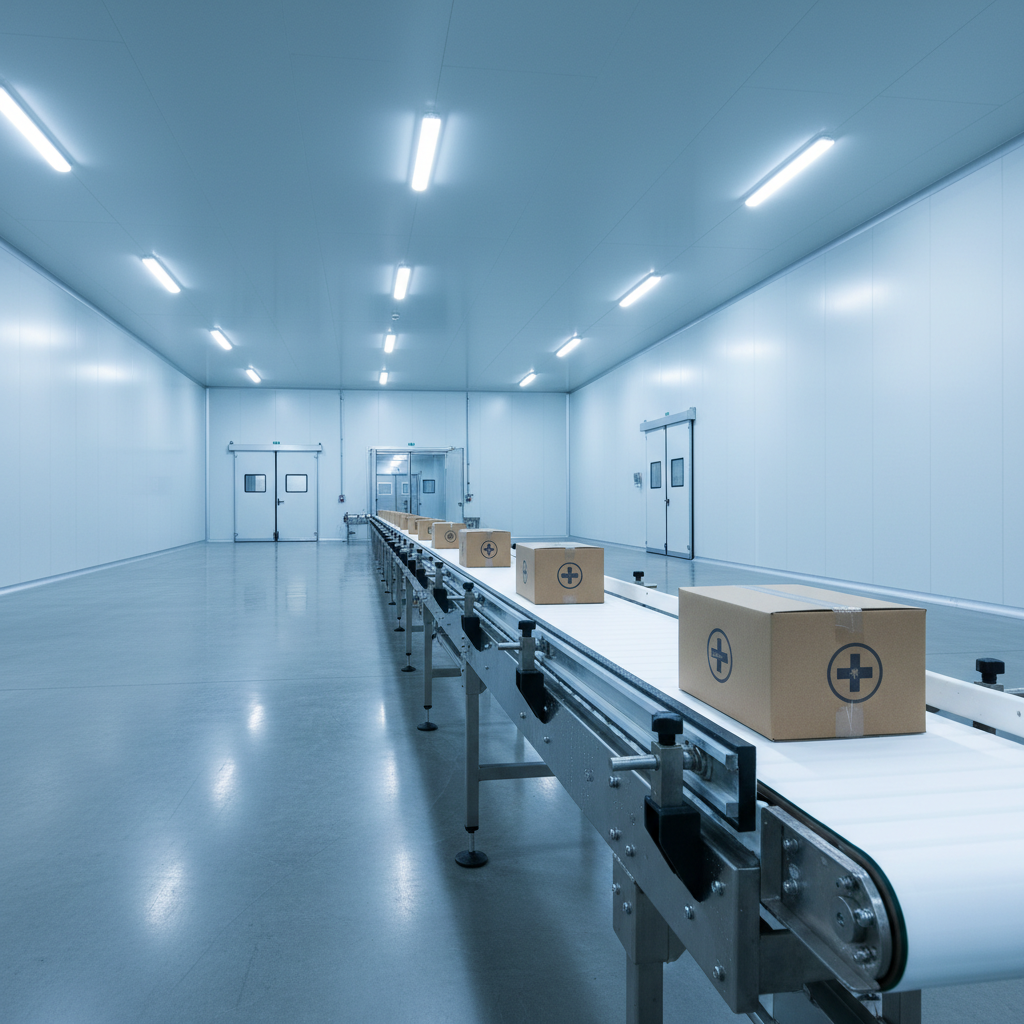
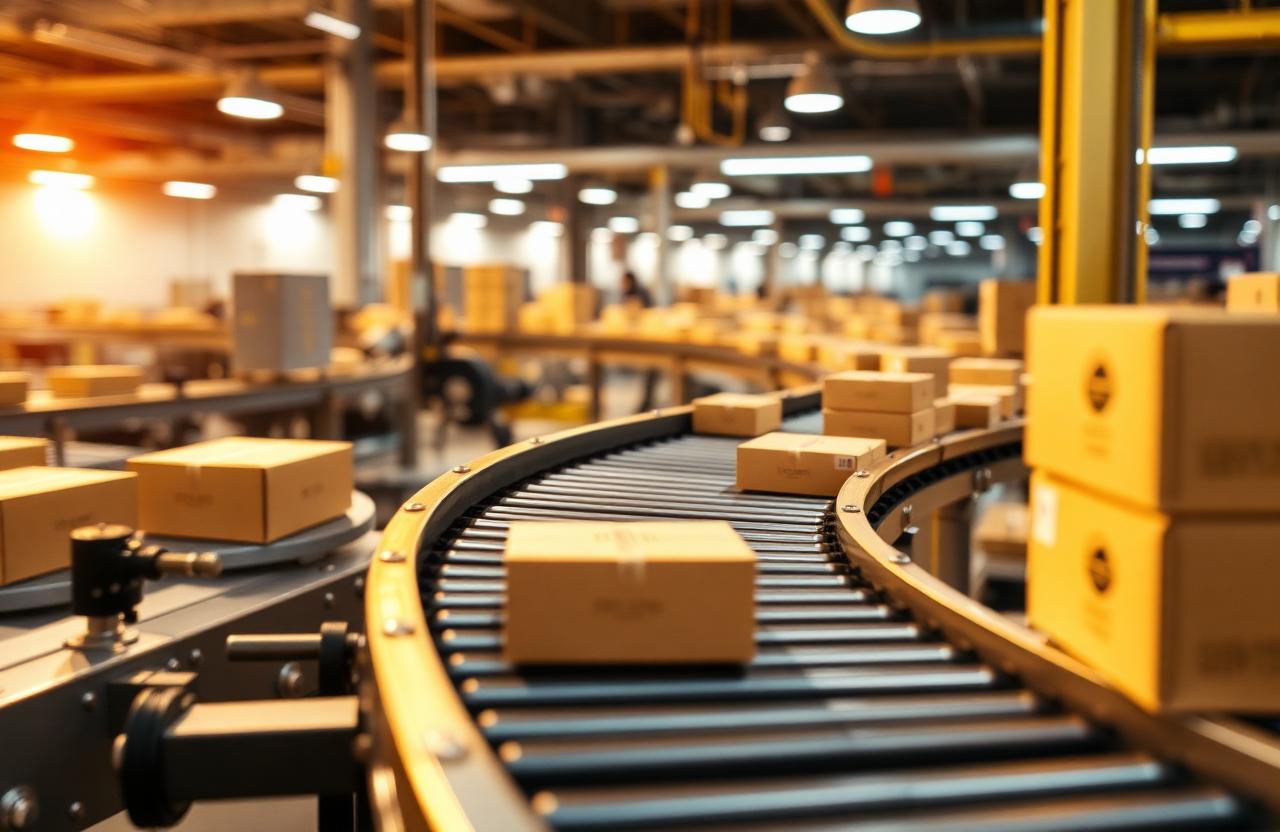
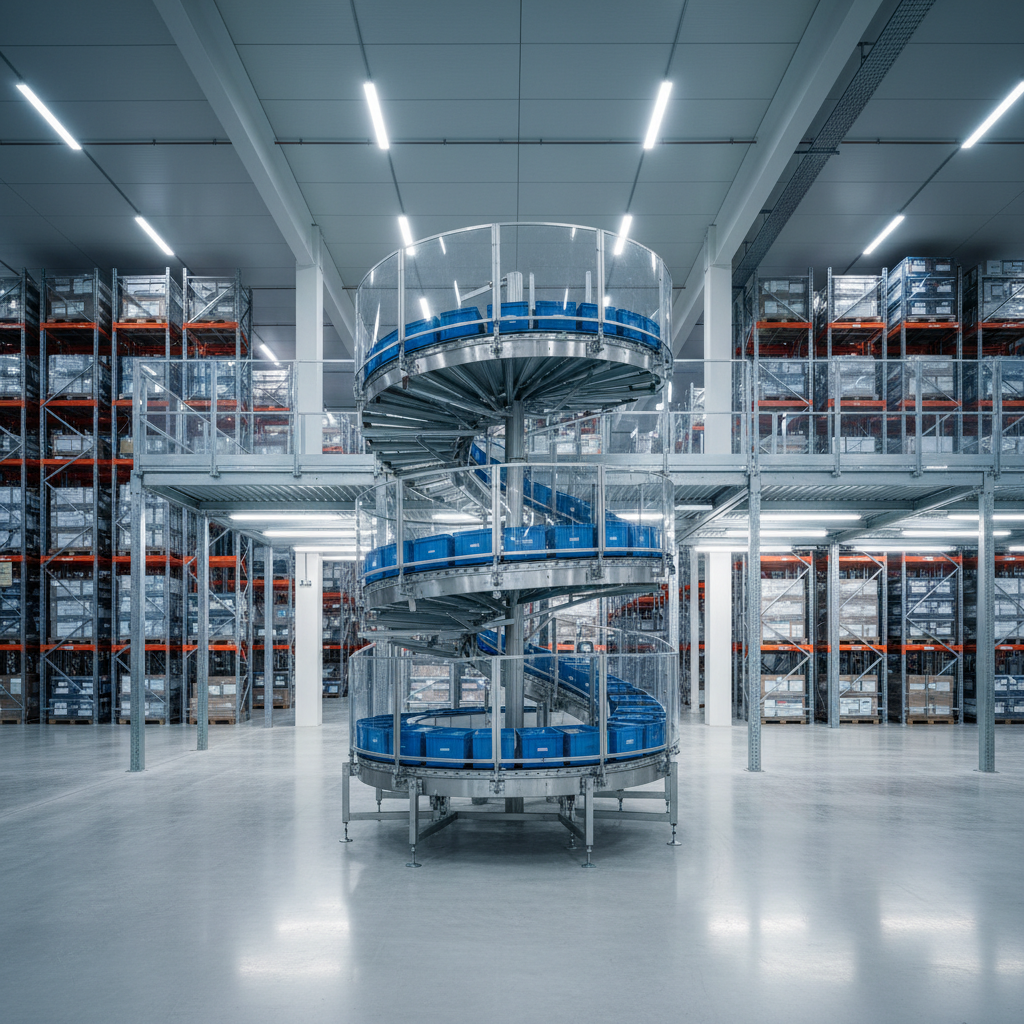
Cold Chain Logistics Benelux: Conveyors for Controlled Environments
Discover how specialized conveyor systems are essential for efficient and safe cold chain logistics in the Benelux. This guide covers the right technology for handling temperature-sensitive goods from -30°C to +4°C, ensuring compliance and quality.

The Benelux region, a pulsating heart of European logistics, faces a unique and growing challenge: the seamless handling of temperature-sensitive goods. From fresh tulips in the Netherlands to vital pharmaceuticals transiting through Belgium, maintaining the cold chain is paramount. This intricate process relies not just on refrigerated trucks and warehouses, but on a critical, often overlooked component: the conveyor systems that operate within these frigid environments.
Definition
Cold Chain Conveyors are specialized material handling systems designed to transport goods reliably and hygienically within temperature-controlled environments, such as refrigerated or frozen storage areas, without compromising their own structural integrity or the product's quality.
The Critical Role of the Benelux in European Cold Chain Logistics
The Netherlands, Belgium, and Luxembourg are more than just dots on a map; they are a strategic gateway to Europe. With the ports of Rotterdam and Antwerp serving as two of the continent's largest import/export hubs and Schiphol Airport as a major air cargo center, the Benelux is a linchpin for global trade. A significant portion of this trade consists of perishable items:
- Food & Produce: The Netherlands is the world's second-largest exporter of agricultural products. Transporting fruits, vegetables, dairy, and meat requires an unbroken cold chain.
- Pharmaceuticals: Belgium, in particular, is a major hub for the pharmaceutical industry, including the global distribution of vaccines and other biologics that demand precise temperature control.
- Floriculture: A billion-euro industry that relies on a constant cool environment to ensure flowers arrive fresh at their destination.
Efficiently moving these goods from container to warehouse, through sorting, and onto outbound trucks at speed requires robust automation. This is where specialized conveyor technology becomes not a luxury, but a core operational necessity.
Challenges of Conveyors in Temperature-Controlled Environments
Operating machinery in the cold is not as simple as installing a standard conveyor in a chilled room. Engineers must overcome several significant challenges that are unique to sub-zero and refrigerated conditions.
Material Brittleness and Condensation
Standard plastics and metals behave differently at low temperatures. Many common plastics can become brittle and fracture below 0°C, leading to catastrophic belt failure and production downtime. Furthermore, when systems cycle between different temperature zones, condensation and subsequent ice formation are constant threats. Ice can jam rollers, cause belts to slip, and interfere with critical sensors, bringing the entire line to a halt.
Hygiene and Regulatory Compliance (HACCP & GMP)
The food and pharmaceutical industries are governed by strict European regulations. Hazard Analysis and Critical Control Points (HACCP) for food and Good Manufacturing Practice (GMP) for pharma dictate that all equipment must be designed for easy and thorough cleaning to prevent bacterial growth and cross-contamination. This means conveyors must have minimal crevices, be made of non-porous, non-corrosive materials, and withstand aggressive cleaning agents.
Energy Efficiency and Operational Costs
Running a refrigerated warehouse is energy-intensive. Conveyor systems can add to this load. Motors have to work harder in the cold, and lubricants can thicken, reducing efficiency. Inefficient systems not only drive up electricity bills—a major concern with fluctuating European energy prices—but also generate excess heat, forcing the main cooling plant to work even harder in a costly feedback loop.
Types of Conveyors for Cold Chain Applications
Not all conveyors are created equal. The choice of system depends heavily on the product, the required temperature, and hygiene standards.
Stainless Steel Conveyors (Belt, Roller)
The gold standard for hygiene, stainless steel (typically grades 304 or 316) is the preferred material for applications involving direct contact with unwrapped food or sterile pharmaceutical products. It is non-corrosive, easy to sterilize, and performs well in a wide temperature range. Stainless steel frames can be paired with solid polyurethane belts or stainless steel rollers for a robust, cleanable solution.
Modular Plastic Belt Conveyors
These conveyors are highly versatile and are constructed from interlocking plastic modules. For cold chain applications, these modules are made from special low-temperature polyethylene (PE) or polyoxymethylene (POM) that remains ductile and impact-resistant even at -30°C. Their open-hinge design can facilitate drainage and cleaning, and damaged sections can be replaced easily, reducing maintenance time.
Roller Conveyors (Gravity and Powered)
Used for moving boxes, crates, and pallets, roller conveyors in cold environments must be specified correctly. This means using stainless steel rollers and, crucially, sealed bearings packed with a special low-temperature grease. Unsealed bearings will fail quickly as condensation freezes and destroys the internal mechanism. For powered systems (lineshaft or motorized roller), ensuring the drives are rated for cold operation is essential.
Comparison of Cold Chain Conveyor Systems
Choosing the right system involves balancing performance, hygiene, and cost. The table below provides a a practical comparison for a typical Benelux warehouse setting.
| Feature | Stainless Steel Belt Conveyor | Modular Plastic Belt Conveyor | Stainless Steel Roller Conveyor |
|---|---|---|---|
| Ideal Temperature Range | -30°C to +40°C | -25°C to +40°C (with specific material) | -30°C to +40°C |
| Typical Speed | 0.2 m/s to 1.0 m/s | 0.2 m/s to 1.5 m/s | 0.2 m/s to 0.8 m/s (powered) |
| Max Load (per meter) | 20 kg to 100 kg | 30 kg to 200 kg | 50 kg to 1,500 kg (per pallet) |
| Hygiene (HACCP/GMP) | Excellent (especially for direct food contact) | Very Good (some crevices in modules) | Good (for boxed/packed goods) |
| Initial Cost | €€€€ | €€€ | €€€ |
| Maintenance Complexity | Low to Medium | Low (easy to repair sections) | Low (but bearing failure is critical) |
Key Design Considerations for Your Benelux Warehouse
When planning an automated system for a new or existing cold storage facility, several design factors are crucial for success:
- Drive Technology: Drum motors are an excellent choice for cold environments. The motor and gearbox are hermetically sealed within a steel shell, protecting them from moisture and eliminating external moving parts. This improves hygiene and safety.
- Bearings and Lubrication: Always specify sealed bearings with low-temperature grease. This is one of the most common failure points and a non-negotiable requirement.
- Control Systems and Sensors: Use photoelectric or proximity sensors with an IP67 rating or higher to protect against moisture ingress. Defogging lenses or specialized sensors may be needed in high-humidity zones.
- Ease of Cleaning: The conveyor frame should be designed with an open construction, avoiding flat surfaces where water can pool. Stand-offs should be used to mount components, allowing for 360-degree cleaning access.
Integrating these specialized conveyors into a cohesive system that communicates seamlessly with your Warehouse Management System (WMS) is the final step. A well-designed system not only transports goods but also provides valuable data for tracking and tracing, which is vital for regulatory compliance. For businesses in the Benelux looking to optimize their cold chain operations, partnering with an experienced integrator is key. At Easy Systems, we specialize in creating modular and intelligent conveyor solutions tailored to the unique demands of the food and logistics industries. You can learn more about our approach astat https://easy-systems.eu/nl/.
The Future of Cold Chain Automation
The journey doesn't end with conveyors. The industry is rapidly evolving, with trends pointing towards even greater automation. We are seeing the rise of Autonomous Mobile Robots (AMRs) designed to operate in sub-zero temperatures, working alongside conveyor systems to provide greater flexibility. IoT sensors embedded within the conveyors themselves can monitor temperature and vibration in real-time, feeding data to AI-powered predictive maintenance platforms. These systems can preemptively flag a bearing that is about to fail or a motor that is drawing too much current, allowing for repairs before a costly breakdown occurs.
Why Easy Systems is Your Trusted Partner for Cold Chain Conveyors
In the high-stakes world of cold chain logistics, you cannot afford mistakes. Product spoilage, regulatory fines, and operational downtime can devastate your bottom line. You need a partner who understands the specific challenges of the Benelux market and the technical nuances of designing for cold environments.
Easy Systems, part of BOA Concept, is a leading European manufacturer of modular conveyor systems with a strong presence and deep expertise in the Benelux. We don't offer one-size-fits-all solutions. Instead, we work with you to design, engineer, and install a system tailored to your specific temperature, hygiene, and throughput requirements. Our stainless steel and modular conveyor platforms are proven in the most demanding food processing and pharmaceutical distribution centers across Europe. We understand HACCP and GMP and build our systems not just to comply, but to make your compliance validation easier. From our production facility, we deliver smart, robust, and efficient automation that ensures your cold chain remains unbroken.
This article is part of the Conveyor-Design knowledge hub, edited by Easy Systems engineers who design conveyor and warehouse automation systems across the Benelux every week.
Frequently asked questions
What is the best material for a conveyor in a freezer?+
Stainless steel (like 304 or 316) is excellent for hygiene and durability. For modular belts, specific polyethylene (PE) or polyoxymethylene (POM) grades rated for low temperatures are used, as standard plastics can become brittle.
How do you prevent ice buildup on cold room conveyors?+
Proper design is key. This includes using materials that reduce condensation, ensuring good airflow, and using sealed components like drum motors and bearings to prevent moisture ingress. Some systems may incorporate gentle heating elements in critical areas.
Are these conveyors suitable for both pharmaceutical and food products?+
Yes, but with specific considerations. Both require high levels of hygiene, often using stainless steel. Pharmaceutical applications may have stricter validation and documentation requirements (GMP), while food applications focus heavily on cleanability to prevent cross-contamination (HACCP).