Cold Chain Conveyors for Temperature-Controlled Benelux Logistics
Our expert guide covers specialized cold chain conveyor systems, crucial for maintaining temperature integrity in the Benelux food and pharmaceutical sectors. Learn about GMP-compliant design, materials, and automation.
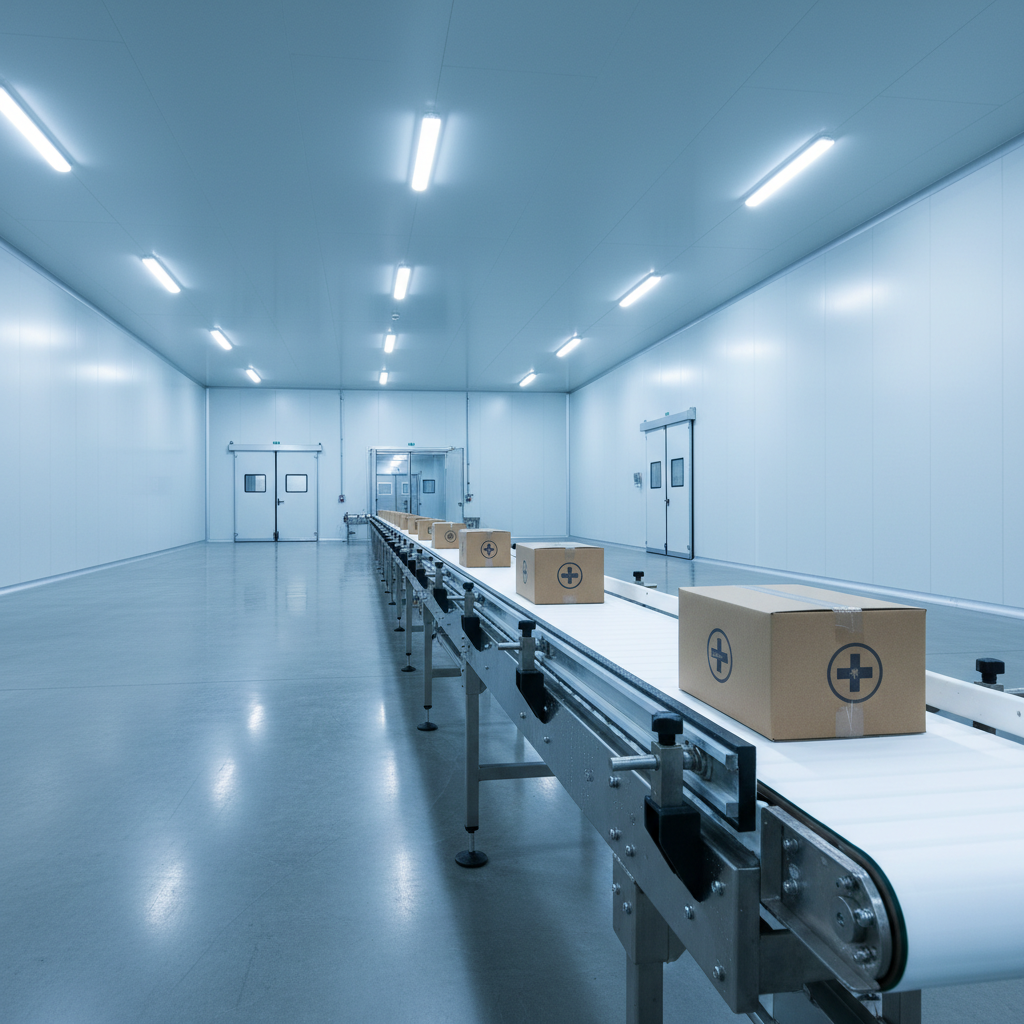
In the high-stakes world of temperature-controlled logistics, maintaining the integrity of the cold chain is not just a matter of quality, but of public health and regulatory compliance. For distribution centers in the Benelux—a critical European hub for food and pharmaceuticals—the conveyor system is a pivotal component in achieving this. This article explores the specialized solutions required for cold chain conveyors, from materials and design to integration and maintenance.
Definition
A cold chain conveyor is a material handling system specifically designed to transport goods within a consistently refrigerated or frozen environment, ensuring product temperature stability throughout the logistics process. These systems are engineered to operate reliably in low temperatures (typically -30°C to +4°C) and meet strict hygiene standards.
The Critical Role of Cold Chain in the Benelux
The Benelux region, with its major ports like Antwerp and Rotterdam, is a linchpin in the European food and pharmaceutical supply chain. The efficient movement of perishable goods, from Belgian chocolates and Dutch cheese to vital vaccines, depends on an unbroken cold chain. Any temperature deviation can lead to spoilage, microbial growth, or reduced efficacy of medicines, resulting in significant financial loss and potential health risks. A 1°C variance outside the specified range can decrease a product's shelf life by as much as 10-15%. Consequently, investing in robust and reliable automated handling systems is not a luxury but a necessity.
Regulatory Landscape: GMP and HACCP
Operating in the European Union means adhering to stringent regulations. For food, the Hazard Analysis and Critical Control Points (HACCP) system is paramount. For pharmaceuticals, Good Manufacturing Practice (GMP) guidelines are the standard. Both frameworks demand systems that are:
- Hygienic: Easy to clean and sanitize to prevent cross-contamination.
- Traceable: Able to track products accurately through the facility.
- Reliable: Capable of consistent operation in harsh, cold environments.
Types of Conveyors for Cold Environments
Not all conveyors are suited for the rigors of a cold chain environment. The choice depends on the product, temperature, and specific handling requirements. The most common and effective types are modular and belt conveyors constructed from specialized materials.
Modular Plastic Belt Conveyors
This is often the go-to solution for cold chain applications. The belts are made from materials like Polyethylene (PE) or Polyoxymethylene (POM), which remain ductile and impact-resistant even at temperatures down to -25°C. Their open-hinge design facilitates easy cleaning and drainage, which is critical in environments with condensation. Damaged sections can be replaced individually, minimizing downtime and maintenance costs—a crucial factor where every hour of system stoppage can cost thousands of euros.
Stainless Steel Belt & Roller Conveyors
For applications requiring extreme durability and high sanitation levels, such as handling raw meat or pharmaceutical-grade materials, stainless steel is unparalleled. Grade 304 or, for higher corrosion resistance, 316 stainless steel is used for the frame, rollers, and sometimes the belt itself. These systems can operate in the deepest freeze zones (below -30°C) and withstand aggressive chemical cleaning agents. While the initial investment is higher, their longevity and compliance benefits often justify the cost.
Comparative Analysis of Cold Chain Conveyor Solutions
Choosing the right conveyor involves a trade-off between cost, hygiene, and product suitability. The table below compares common options for a typical food distribution center in Belgium or the Netherlands.
| Conveyor Type | Typical Temp. Range | Hygiene Level (HACCP/GMP) | Typical Speed | Initial Cost (€/meter) | Best For |
|---|---|---|---|---|---|
| Modular Plastic Belt (POM/PE) | -25°C to +40°C | High | 0.2 - 1.0 m/s | 450 - 900 | Packaged goods, frozen foods, direct food contact (FDA-grade) |
| Stainless Steel Roller Conveyor | -30°C to +5°C | Very High | 0.2 - 0.8 m/s | 600 - 1,200 | Totes, crates, heavy boxes, sanitary zones |
| PU/PVC Belt Conveyor | 0°C to +40°C | Medium | 0.5 - 1.5 m/s | 300 - 700 | Sealed packages, secondary packaging, less stringent hygiene zones |
Key Design & Material Considerations
Designing a conveyor for the cold requires specialized engineering to pre-empt common failure points.
H3: Mitigating Condensation and Ice Build-up
When moist ambient air meets cold conveyor surfaces, condensation and ice are inevitable. This can cause belts to slip, sensors to fail, and moving parts to seize. Key design features to combat this include:
- Elevated Frames: Raising the conveyor frame off the floor (e.g., by 150-200 mm) prevents ice from locking the supports to the ground and allows for easier cleaning underneath.
- Material Selection: Using plastics and stainless steel that do not become brittle in the cold.
- Sealed Bearings: Utilizing bearings with special low-temperature grease and robust seals to prevent moisture ingress.
H3: Motors, Drives, and Electronics
Standard motors and sensors often fail in refrigerated environments. Gearmotors must be specified for low-temperature operation, often with synthetic lubricants that don't thicken. Photo-electric sensors should have heaters or be specifically designed for cold use to prevent their lenses from frosting over. All enclosures for electronics should have a high Ingress Protection (IP) rating, typically IP65 or higher, to protect against moisture from cleaning cycles.
Integration with Warehouse Automation
Modern cold storage facilities in logistics hubs like Venlo or Liège are heavily automated. Cold chain conveyors are rarely standalone systems. They form the arteries of a larger organism, connecting automated storage and retrieval systems (AS/RS), robotic palletizers, and packing stations. Seamless integration with a Warehouse Control System (WCS) or Warehouse Management System (WMS) is essential for real-time tracking and control, ensuring that product residency time in non-optimal temperature zones (like loading docks) is minimized to a few minutes at most.
Achieving this level of integration and reliability requires a partner with deep expertise in both material handling and the specific challenges of cold environments. At Easy Systems, we leverage decades of experience in designing and implementing robust conveyor solutions. Our modular approach allows us to create custom-fit systems that adhere to the strictest European standards for hygiene and safety. For a closer look at our modular conveyor platforms that can be adapted for cold chain applications, visit us at our main site.
Maintenance in a Cold Environment
Maintenance is more challenging in the cold. Simple tasks take longer, and materials behave differently. A preventive maintenance strategy is critical. This includes regular inspection for ice build-up, checking belt tension (as materials contract in the cold), and ensuring lubrication points are serviced with the correct low-temperature grease. Empowering on-site technicians with training and providing systems designed for easy access and quick component replacement—like modular belts—can reduce Mean Time To Repair (MTTR) by up to 50%.
Easy Systems: Your Trusted Partner for Cold Chain Conveyors
Navigating the complexities of cold chain logistics requires more than just hardware; it demands expertise, precision engineering, and a deep understanding of the regulatory landscape in the Benelux and greater Europe. Easy Systems provides just that. As a senior content engineer at our parent company, BOA Concept, I can attest that our philosophy is built on delivering robust, modular, and efficient conveyor solutions tailored to the unique demands of each client. From GMP-compliant pharmaceutical lines to high-throughput food distribution centers, we offer a partnership that ensures your products remain safe, your operations remain efficient, and your business remains compliant. We design systems that are not only built to withstand the cold but are also easy to clean, maintain, and integrate, providing a future-proof investment for your critical logistics operations.
This article is part of the Conveyor-Design knowledge hub, edited by Easy Systems engineers who design conveyor and warehouse automation systems across the Benelux every week.
Frequently asked questions
What materials are best for cold chain conveyors?+
Stainless steel (grade 304 or 316) for frames and rollers, and modular belts made from Polyethylene (PE) or Polyoxymethylene (POM) are ideal. These materials resist corrosion, withstand low temperatures without becoming brittle, and are easy to sanitize.
How do you prevent ice build-up on a conveyor in a freezer?+
Key design strategies include using open-frame construction, elevating the conveyor off the floor, selecting materials that shed moisture, and using sealed components. In some cases, targeted low-voltage heating elements may be used on critical components like sensor lenses.
What is the typical cost of a cold chain conveyor?+
Costs vary by type and specification. A modular plastic belt conveyor for a cold environment might cost between €450 and €900 per meter, while a full stainless steel system for maximum hygiene could be €600 to €1,200 per meter or more.
Are cold chain conveyors compliant with HACCP and GMP?+
Yes, when designed correctly. Compliance involves using food-grade or pharmaceutical-grade materials, ensuring the design has no hidden niches where bacteria can grow, and making all surfaces smooth and easy to clean thoroughly.