Automatisation d'entrepôt
AGV, AS/RS, robotique et logiciels d'orchestration.
Warehouse automation has moved well beyond fixed conveyors. AGVs and AMRs, AutoStore and shuttle AS/RS, piece-picking robots and goods-to-person stations now appear in mid-size European DCs, not only flagship sites.
This category covers the trade-offs that decide whether automation pays back in 3 years or 8: order profile, SKU velocity, peak factor, building constraints and the WMS/WCS integration that ties hardware to business logic.
Expect comparative tables, ROI logic and integration patterns — written for the engineer who has to defend the business case, not the marketing brochure.
Articles dans Automatisation d'entrepôt
 Warehouse Automation
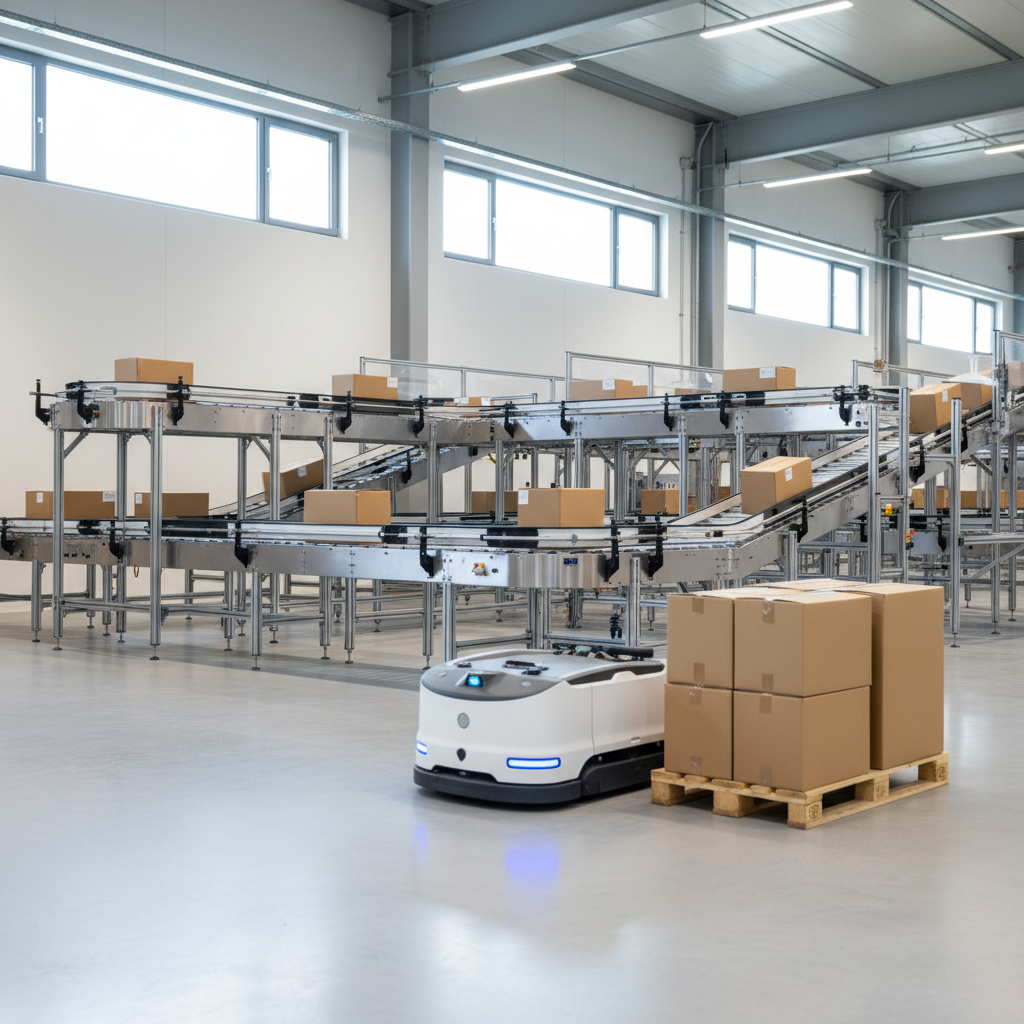
AGV et convoyeurs : La synergie pour un flux d'entrepôt sans faille
Découvrez comment l'intégration de véhicules à guidage automatique (AGV) et de systèmes de convoyeurs fixes crée une solution hybride qui optimise à la fois la flexibilité et l'efficacité à haut débit
 Warehouse Automation
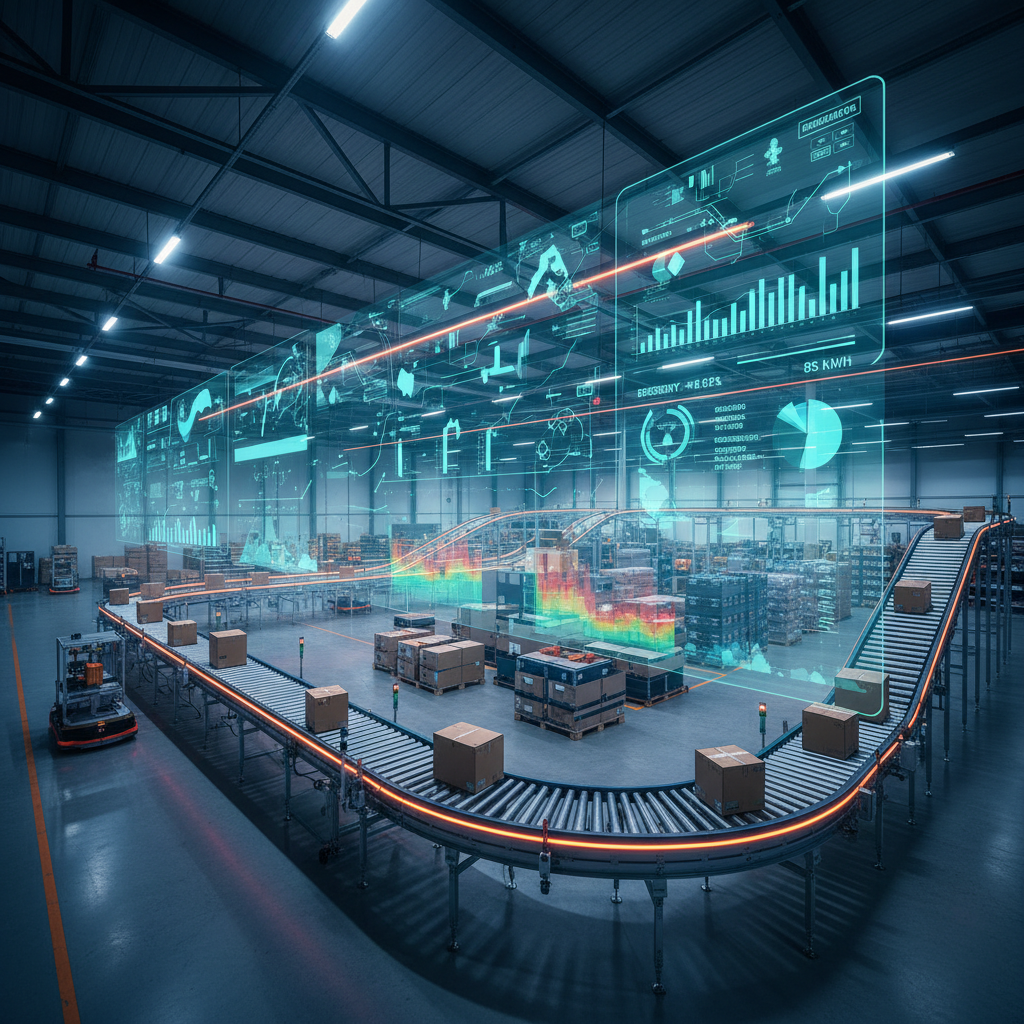
Optimiser les layouts de convoyeurs avec les jumeaux numériques au Benelux
Apprenez à tirer parti de la technologie du Jumeau Numérique pour l'optimisation des systèmes de convoyeurs dans votre installation au Benelux. Ce guide couvre les étapes pratiques, l'analyse coûts-av
 Warehouse Automation
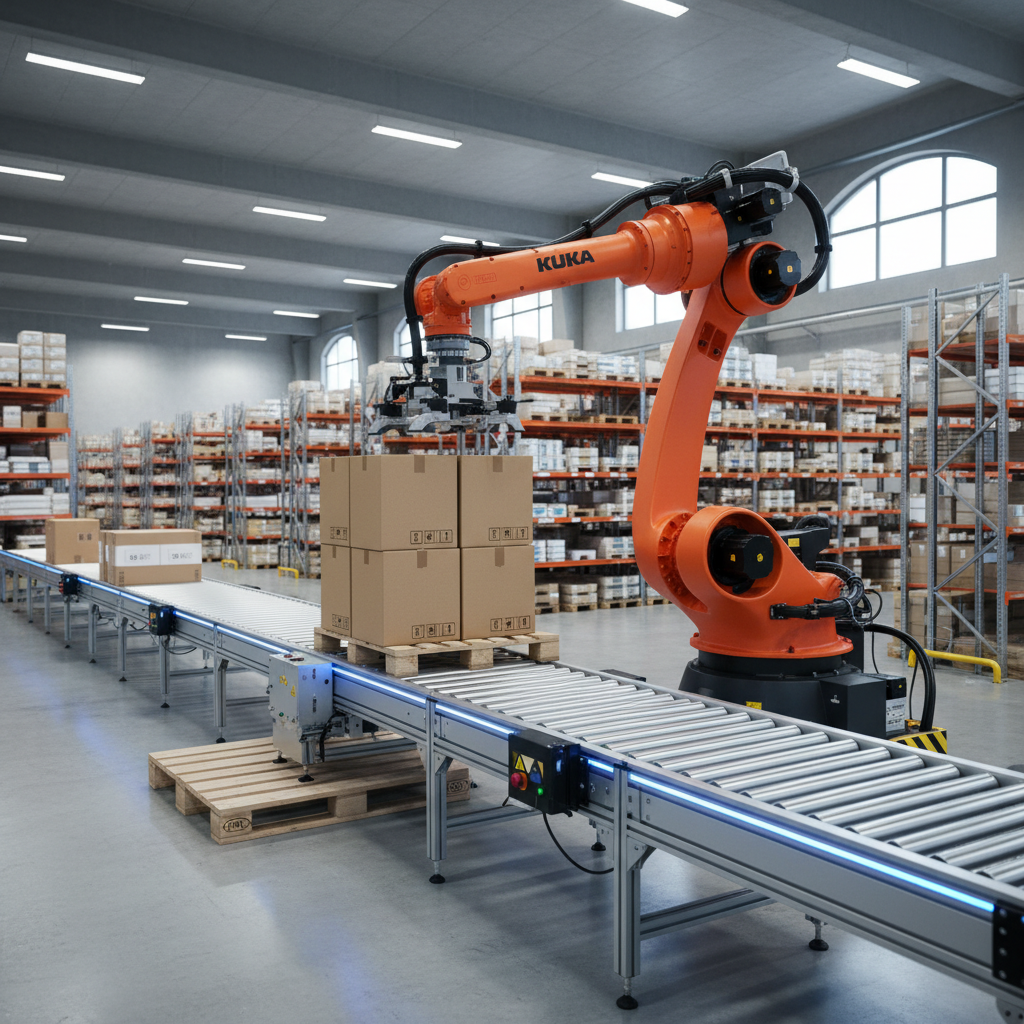
Le rôle de la robotique dans le chargement et le déchargement de convoyeurs pour les centres de distribution
L'automatisation robotique transforme la manière dont les centres de distribution gèrent le chargement et le déchargement des convoyeurs. Découvrez les technologies clés, les avantages et les stratégi
À propos de automatisation d'entrepôt
When is warehouse automation worth it?+
Typical triggers: throughput above 5 000 lines/day, labor shortage, peak ratios above 3×, or storage density gains worth more than €1 000/m²/year. A simple payback under 5 years on labour + space usually justifies investment.
What is the difference between AGV and AMR?+
AGVs follow fixed paths (magnetic tape, QR markers) and are cheaper per unit. AMRs use SLAM/laser navigation, share the floor with people and reroute dynamically — better for changing layouts but ~30-50% more expensive per robot.
What is a WCS and do I need one?+
A Warehouse Control System orchestrates conveyors, sorters, robots and AS/RS in real time. You need a WCS as soon as you have two or more automated subsystems that must hand work between each other reliably.
How long does a warehouse automation project take?+
From concept to go-live: 9–18 months for a single technology (e.g. AS/RS), 18–30 months for a multi-system greenfield DC. Detailed simulation and emulation reduce go-live risk significantly.
Planning a new conveyor or automation project?
Easy Systems designs and installs internal transport, conveyor and warehouse automation systems across the Benelux. Tell them about your flow — they'll come back with a system that scales.