WMS, WCS et WES — Comment les logiciels d'entrepôt s'articulent réellement
Frontières fonctionnelles, schémas d'intégration et comment éviter la dépendance fournisseur dans la pile logicielle d'entrepôt.
Trois acronymes — WMS, WCS, WES — recouvrent le cerveau de tout entrepôt automatisé. Les fournisseurs brouillent volontairement les frontières ; les exploitants en paient le prix plus tard. Ce guide trace les lignes clairement, puis présente les schémas d'intégration qui gardent votre pile indépendante des fournisseurs et vos convoyeurs occupés.
1. Les trois couches en une phrase chacune
- WMS (Warehouse Management System, système de gestion d'entrepôt) : stock, commandes, vagues, planification de la main-d'œuvre. Le système de référence.
- WCS (Warehouse Control System, système de contrôle d'entrepôt) : chorégraphie temps réel des convoyeurs, trieurs, transstockeurs et robots. Décisions en moins d'une seconde.
- WES (Warehouse Execution System, système d'exécution d'entrepôt) : couche d'optimisation entre les deux — libération des vagues, slotting dynamique, équilibrage des ressources.
2. Où tombent réellement les frontières
| Responsabilité | WMS | WES | WCS |
|---|---|---|---|
| Vérité des stocks | ✔ | ||
| Allocation des commandes | ✔ | ||
| Timing de libération des vagues | ✔ | ||
| Optimisation des chemins de prélèvement | ✔ | ||
| Logique de zone convoyeur | ✔ | ||
| Décisions de tri | ✔ | ||
| Routage de flotte de robots | ✔ | ||
| Analytique de slotting | ✔ |
3. Ai-je besoin des trois ?
Si vous exploitez une seule ligne de convoyage et un seul poste de préparation, votre WMS et le contrôleur intégré du fournisseur de convoyeurs suffisent. Dès que vous avez deux sous-systèmes automatisés ou plus qui doivent se passer du travail, il vous faut un WCS. Un WES distinct se justifie au-delà de ~30 000 lignes/jour ou lorsque vous exploitez plusieurs modèles de fulfilment en parallèle (B2B + e-com + retours).
4. Schémas d'intégration qui survivent aux changements de fournisseur
- REST + webhooks pour la communication WMS↔WES (commandes, vagues, statuts).
- OPC-UA ou MQTT pour le trafic WCS↔PLC.
- Bus d'événements (Kafka, RabbitMQ) quand plus de trois systèmes ont besoin de la même télémétrie.
- VDA 5050 pour les flottes de robots — obligatoire dans les nouveaux appels d'offres.
- Gardez les schémas de messages sous gestion de version et contract-testez à chaque release.
5. Les pièges de la dépendance fournisseur
- Les fournisseurs de convoyeurs qui offrent un WCS « gratuit » groupé avec le matériel — vous ne pourrez jamais remplacer l'un sans l'autre.
- Les protocoles fermés entre le gestionnaire de flotte de robots et le WCS.
- Les modules WMS qui prétendent être un WCS — acceptable pour un sous-système, douloureux pour deux.
6. Une architecture de référence
ERP → WMS → WES → WCS → PLC / Flotte de robots → Matériel
                ↘   ↑
                 Bus d'événements (Kafka)
Chaque flèche doit être un protocole ouvert avec un schéma versionné. Chaque couche doit être remplaçable.
7. Projets réels
Easy Systems intègre le convoyage et le matériel d'automatisation à la pile WMS/WCS/WES chez des exploitants du Benelux — y compris les rétrofits délicats où il faut défaire une dépendance fournisseur installée.
Tous les articles de ce guide.
 Logistics Optimization
Les Convoyeurs dans la Livraison Urbaine du Dernier Kilomètre : Focus sur le Benelux
Dans les centres urbains denses du Benelux, les systèmes de convoyeurs au sein des micro-hubs de distribution sont essentiels pour optimiser la livraison du dernier kilomètre. Ils accélèrent le traitement des commandes, réduisent les erreurs de tri et permettent des heures limites de commande plus tardives, impactant directement la vitesse de livraison et la rentabilité.
 Warehouse Automation
Préparation de commandes de colis automatisée : Le rôle des systèmes de convoyeurs coordonnés
Les systèmes de convoyeurs intelligemment coordonnés sont l'épine dorsale des opérations modernes de préparation de commandes de colis automatisée, permettant aux entrepôts du Benelux d'atteindre des cadences de plus de 500 colis par heure et une précision de commande supérieure à 99,9 %. Cet article explore les technologies clés, les avantages et les stratégies de mise en œuvre.
 Warehouse Automation
Collaboration Homme-Robot sur la Ligne de Convoyeur : Un Guide Benelux
Découvrez comment les robots collaboratifs (cobots) sont intégrés de manière sûre et efficace dans les lignes de convoyeurs des entrepôts du Benelux. Ce guide couvre les normes de sécurité, l'implémentation et le ROI pour des équipes homme-robot efficaces.
 Logistics Optimization
Gestion de l'énergie dans les systèmes de convoyeurs durables pour le Benelux
L'optimisation de la gestion de l'énergie dans les systèmes de convoyeurs peut réduire les coûts opérationnels jusqu'à 60 % et diminuer considérablement les émissions de CO₂. Ce guide explore les technologies durables comme le MDR et les commandes intelligentes pour les hubs logistiques du Benelux.
 Warehouse Automation
La robotique modulaire pour une logistique d'entrepôt flexible
La robotique modulaire révolutionne l'automatisation des entrepôts en utilisant des composants interchangeables pour une flexibilité ultime. Cette approche permet aux opérations logistiques de s'adapter rapidement aux changements du marché, réduisant considérablement les coûts et les temps d'arrêt.
 Logistics Optimization
Intralogistique Zéro Émission: Convoyeurs Électriques dans les Entrepôts du Benelux
Les systèmes de convoyeurs électriques sont essentiels pour atteindre l'intralogistique zéro émission au Benelux. Cet article explore les technologies, les avantages et les implications financières, montrant comment les entrepôts peuvent réduire leur empreinte carbone jusqu'à 30% tout en améliorant l'efficacité opérationnelle.
 Logistics Optimization
Convoyeurs pour l'Emballage & la Palettisation en Fin de Ligne au Benelux
Dans les entrepôts du Benelux, l'intégration des systèmes de convoyage dans l'emballage et la palettisation en fin de ligne est essentielle pour atteindre un débit élevé. Cet article couvre les systèmes clés, des scelleuses de cartons aux palettiseurs robotisés, qui améliorent l'efficacité.
 Warehouse Automation
Le rôle de l'IA dans les WCS pour les systèmes de convoyage du Benelux
Les systèmes de contrôle d'entrepôt alimentés par l'IA transforment les opérations de convoyage dans le Benelux, allant au-delà de l'automatisation simple vers un flux de matériaux prédictif et auto-optimisant. Cela débloque des gains importants en efficacité, en débit et en résilience pour les centres logistiques aux Pays-Bas, en Belgique et au Luxembourg.
 Warehouse Automation
Vision Industrielle dans les Systèmes de Convoyeurs pour le CQ et l'Optimisation
Les systèmes de vision industrielle sont essentiels pour l'automatisation moderne des entrepôts, utilisant des caméras et des logiciels pour inspecter les produits, vérifier les étiquettes et guider le tri sur les convoyeurs. Cela améliore le contrôle qualité et optimise le flux de matériaux dans les centres logistiques très fréquentés du Benelux.
 Logistics Optimization
Le rôle de l'IA dans l'optimisation des itinéraires et des horaires de convoyeurs
Les algorithmes basés sur l'IA transforment la logistique des convoyeurs, permettant des ajustements d'itinéraire en temps réel et une maintenance prédictive pour optimiser le flux de matériaux. Ce changement augmente le débit, réduit la consommation d'énergie et améliore considérablement l'efficacité opérationnelle dans les centres de distribution modernes.
 Logistics Optimization
La circularité dans les systèmes de convoyage : un guide Benelux pour une logistique plus verte
Découvrez comment passer des systèmes de convoyage linéaires aux systèmes circulaires dans votre entrepôt du Benelux. Ce guide couvre la conception modulaire, l'efficacité énergétique et le recyclage des matériaux pour une opération logistique plus durable et rentable.
 Logistics Optimization
Durabilité Logistique : Convoyeurs Verts & Réduction CO2
La mise en œuvre de systèmes de convoyeurs verts est une stratégie clé pour une intralogistique durable. En se concentrant sur les moteurs écoénergétiques, la conception modulaire et l'automatisation intelligente, les entrepôts peuvent réduire considérablement leur consommation d'énergie jusqu'à 70 % et diminuer leur empreinte carbone globale.
 Warehouse Automation
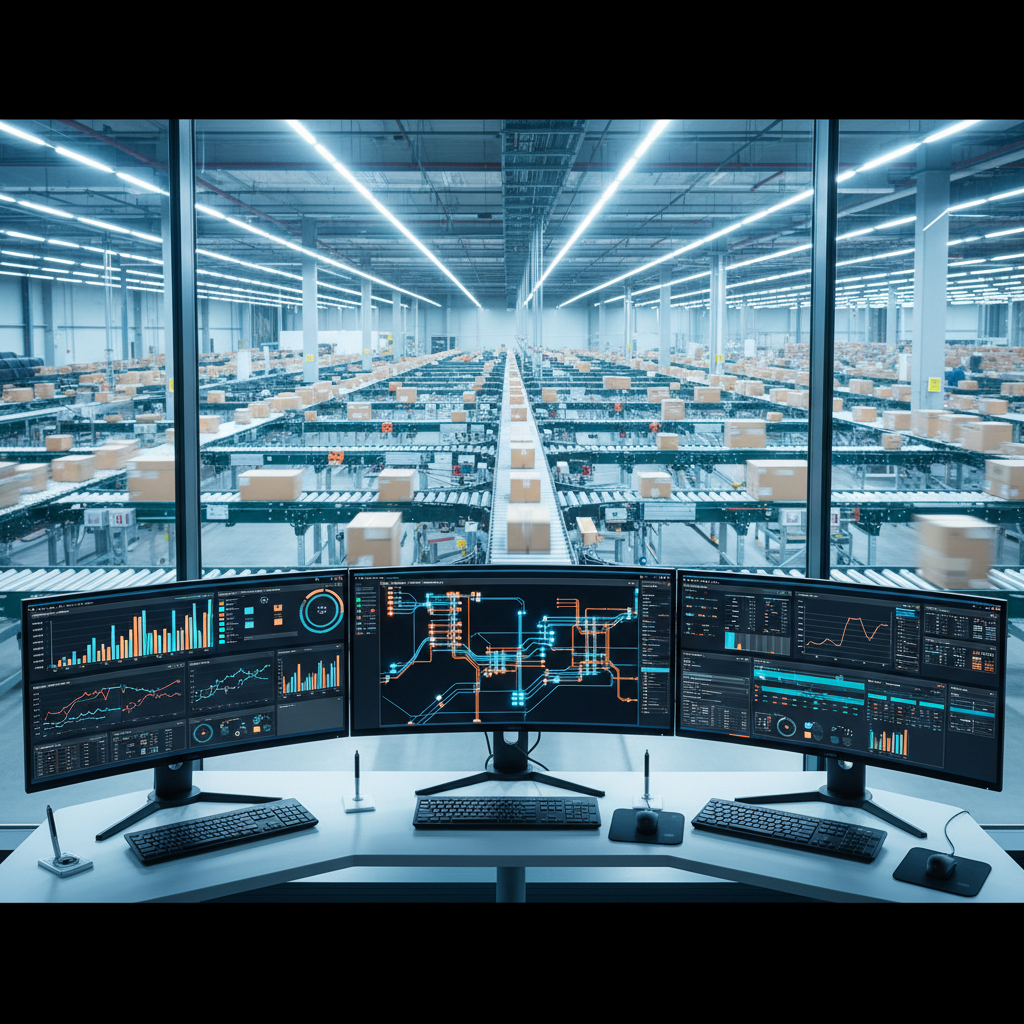
Optimisation des Performances des Convoyeurs avec un Logiciel de Gestion de Flotte : Une Approche Pratique pour les Entrepôts du Benelux
Le logiciel de gestion de flotte offre une solution centralisée pour la surveillance, l'analyse et l'optimisation des systèmes de convoyeurs. Cette approche va au-delà du contrôle de base pour débloquer des gains significatifs en débit, disponibilité et efficacité pour les entrepôts modernes du Benelux.
 Logistics Optimization
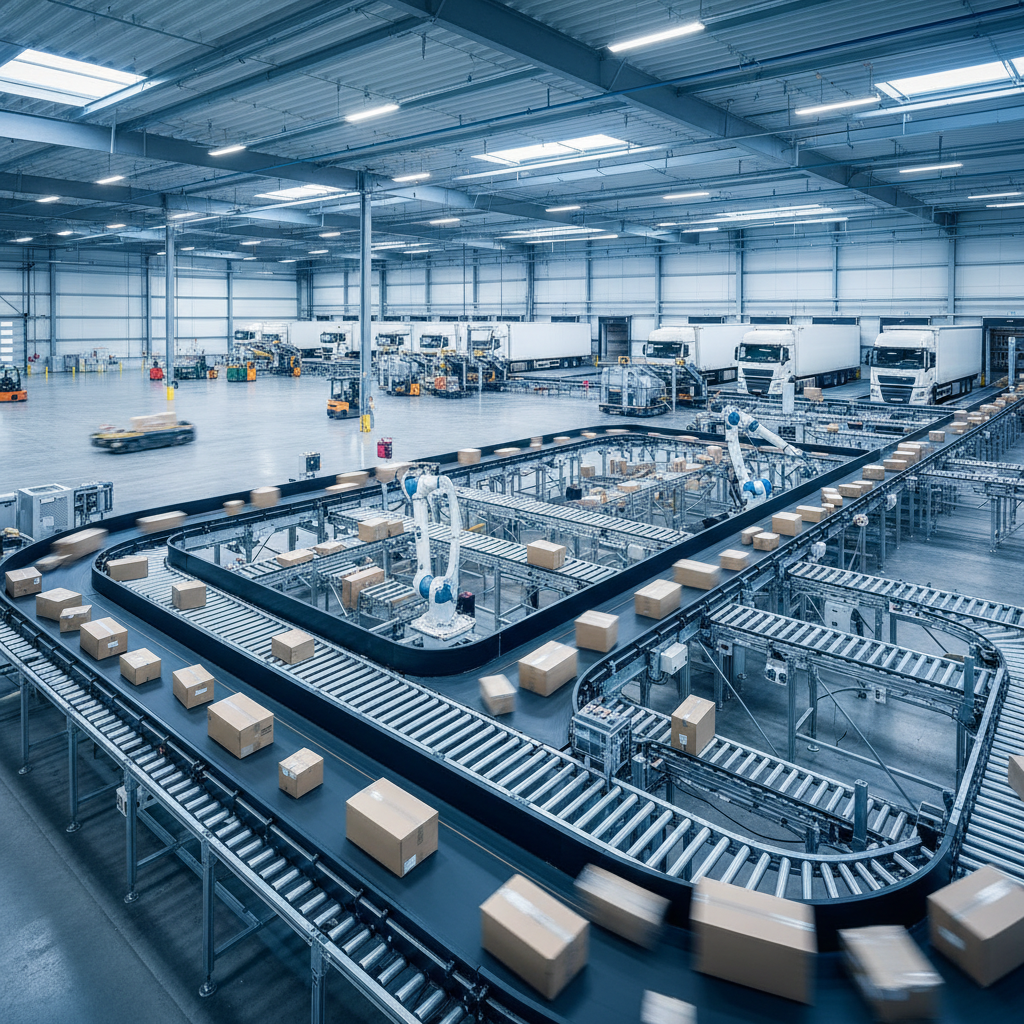
Optimisation de l'Intralogistique : Cross-docking & Convoyeurs au Benelux
Le cross-docking automatisé utilisant des systèmes de convoyeurs révolutionne la logistique du Benelux en minimisant le temps de stockage et en accélérant le débit. Cette stratégie utilise des technologies comme les convoyeurs à bande et à rouleaux pour déplacer les marchandises directement de l'entrée à la sortie, réduisant drastiquement les coûts de manutention et améliorant les vitesses de livraison.
 Warehouse Automation
Cybersécurité pour les Systèmes de Convoyeurs Automatisés : Risques & Prévention
Protégez votre automatisation d'entrepôt contre les cybermenaces. Ce guide couvre les risques clés pour les systèmes de convoyeurs au Benelux, des vulnérabilités PLC aux intrusions réseau, et fournit des stratégies de prévention concrètes pour assurer la continuité opérationnelle et l'intégrité des données.
 Logistics Optimization
Financement et ROI des Systèmes de Convoyeurs : Un Guide Benelux
Explorez les aspects financiers de l'investissement dans les systèmes de convoyeurs pour votre entrepôt du Benelux. Ce guide couvre tout, des coûts initiaux aux options de financement comme le leasing et les subventions, en passant par le calcul d'un retour sur investissement (ROI) réaliste et la compréhension de la valeur à long terme.
 Logistics Optimization
Quick Response Manufacturing (QRM) avec convoyeurs modulaires au Benelux
L'implémentation du Quick Response Manufacturing (QRM) avec des systèmes de convoyeurs modulaires permet aux entreprises du Benelux de réduire drastiquement les délais et d'améliorer la réactivité du marché. Ce guide explore la synergie entre la stratégie QRM et la technologie de convoyage flexible et évolutive pour une production à forte mixité et à faible volume.
 Warehouse Automation
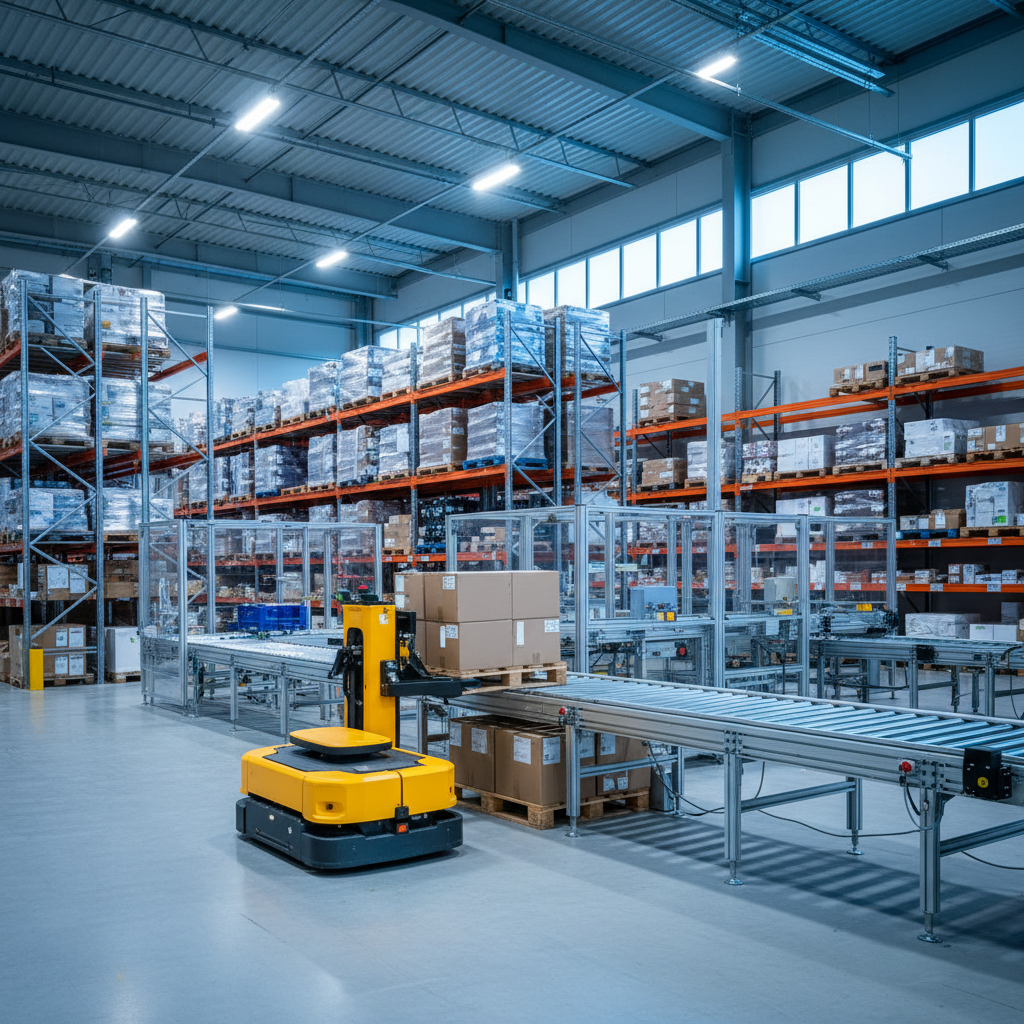
AGV et convoyeurs : Un guide pour une intégration d'entrepôt transparente
L'intégration des véhicules à guidage automatique (AGV) avec les systèmes de convoyage comble les lacunes d'automatisation, créant un flux de matériaux fluide et ininterrompu. Cette combinaison puissante améliore l'efficacité, la flexibilité et le débit dans les centres de distribution européens.
 Warehouse Automation
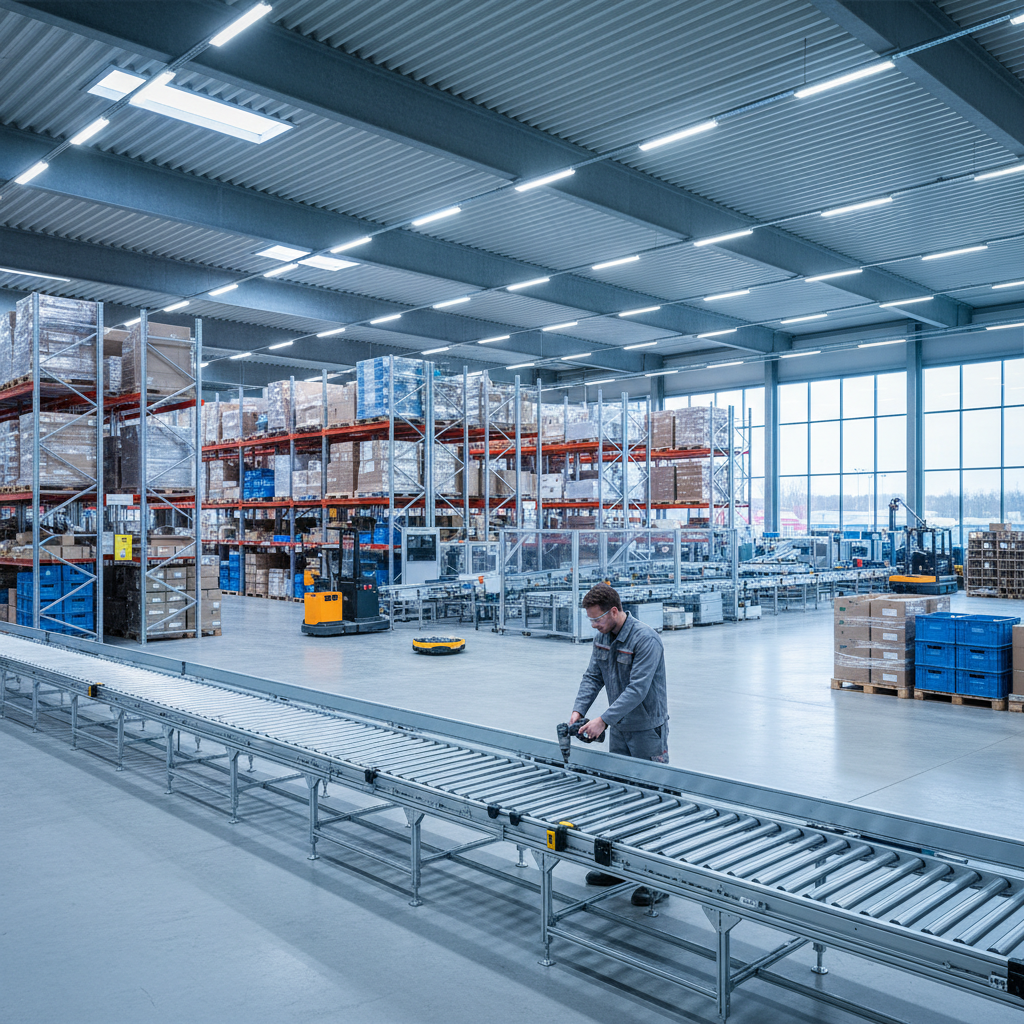
Préparer votre entrepôt pour l'avenir : Comment les systèmes de convoyage évolutifs s'adaptent à la croissance au Benelux
Les systèmes de convoyage évolutifs offrent la flexibilité dont les entrepôts du Benelux ont besoin pour gérer la croissance et les pics saisonniers. En investissant dans des conceptions modulaires, les entreprises peuvent étendre leur capacité, intégrer de nouvelles technologies et optimiser les flux de matériaux sans rénovations coûteuses.
 Logistics Optimization
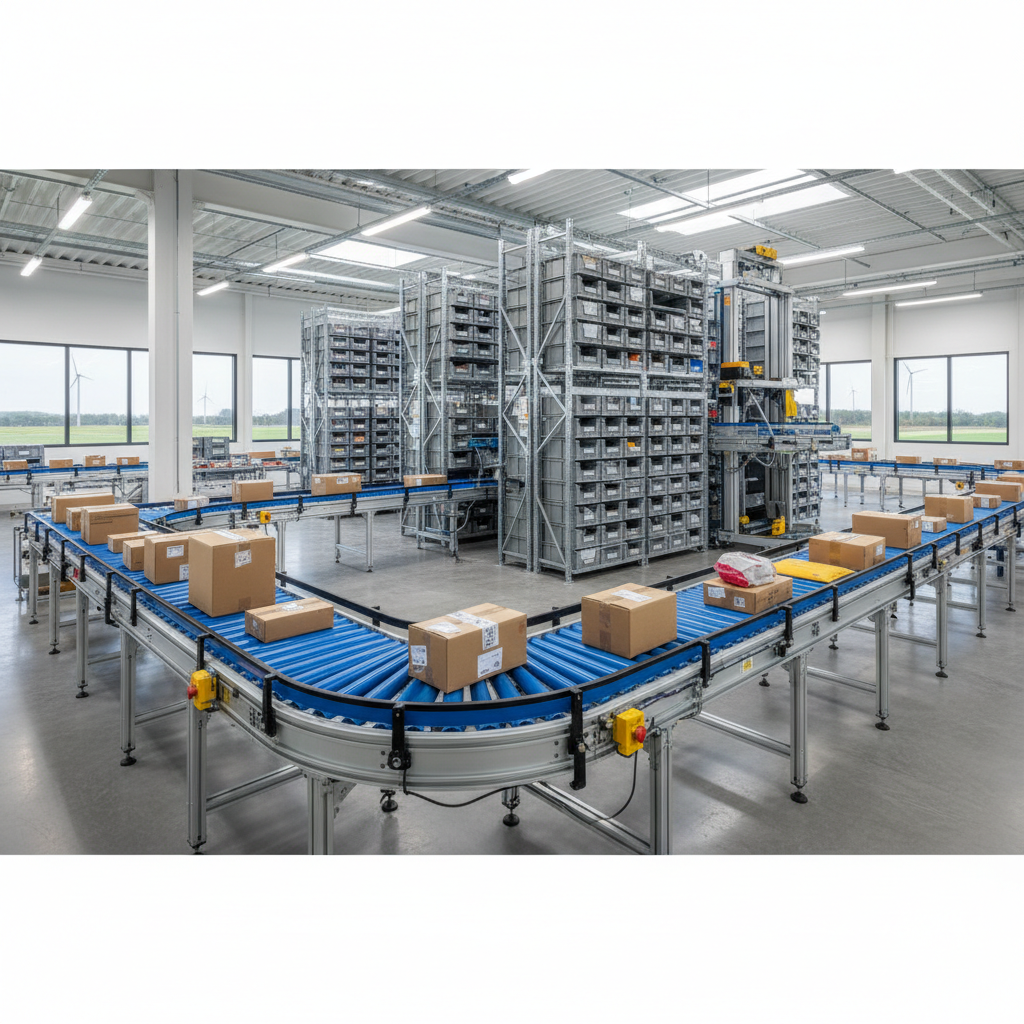
Système de Convoyeur à l'Épreuve du Temps : S'Adapter aux Demandes Évolutives des Consommateurs du Benelux
Avec des demandes des consommateurs du Benelux pour la vitesse et la flexibilité à un niveau record, un système de convoyeur statique est un désavantage. Ce guide explore les principes de la pérennisation de votre logistique avec des solutions de convoyeurs modulaires, évolutives et basées sur les données.
 Logistics Optimization
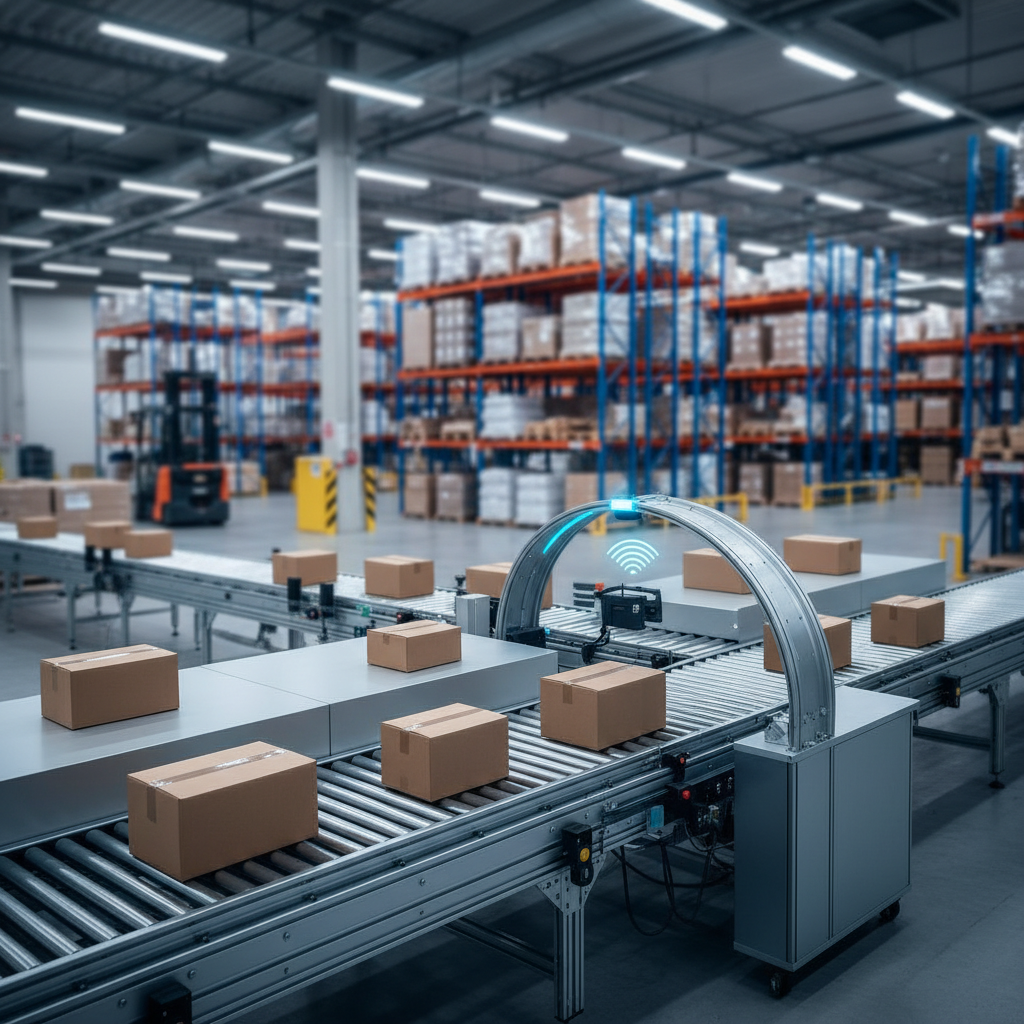
RFID sur convoyeurs : Suivi en temps réel pour les entrepôts du Benelux
L'intégration des lecteurs RFID avec les systèmes de convoyage automatise la capture de données, offrant une visibilité des stocks en temps réel et une précision de plus de 99 %. Ceci est crucial pour les centres logistiques à grand volume du Benelux, rationalisant les opérations de l'entrée à la sortie.
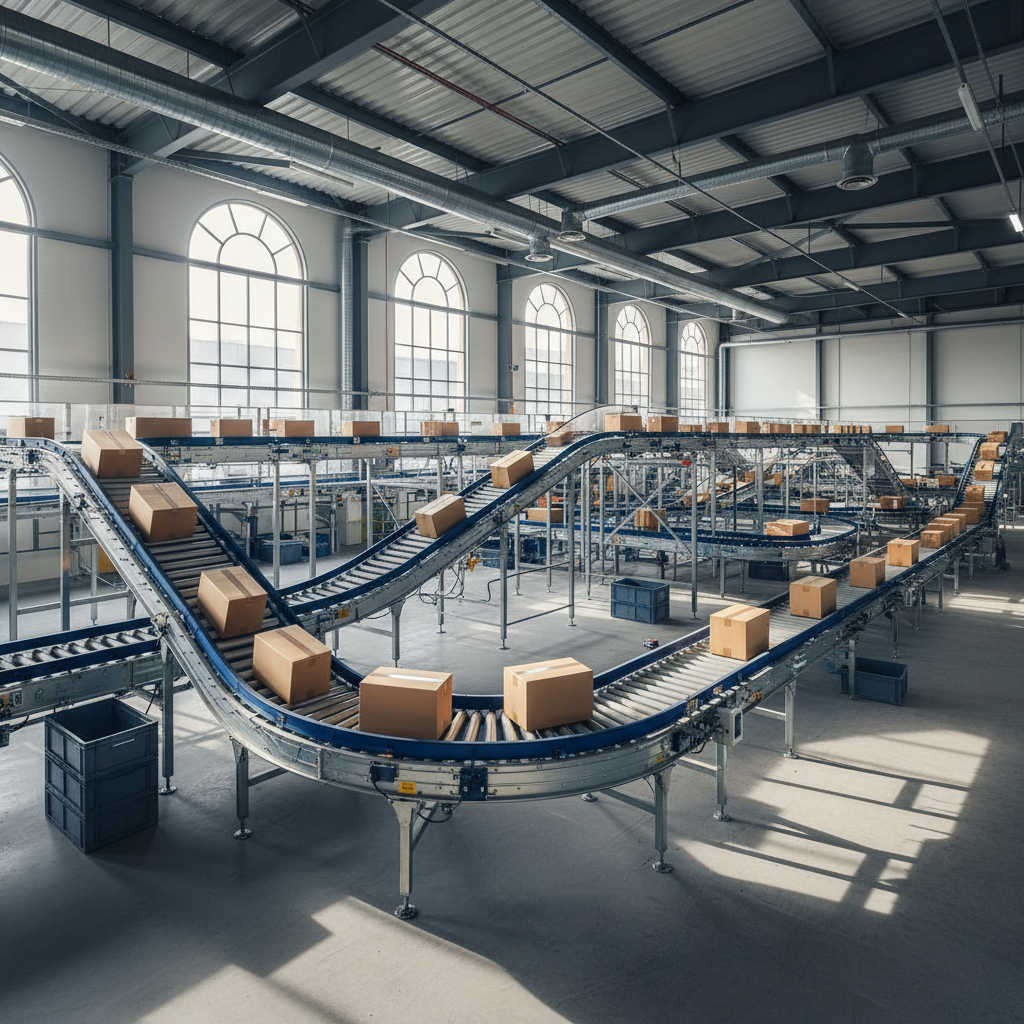 Logistics Optimization
Résilience de la Chaîne d'Approvisionnement : Comment les Convoyeurs Atténuent les Perturbations au Benelux
Dans le paysage logistique dense du Benelux, les systèmes de convoyeurs sont cruciaux pour la résilience de la chaîne d'approvisionnement. Ils offrent la flexibilité opérationnelle et l'automatisation nécessaires pour contrer les perturbations comme les pénuries de main-d'œuvre et les retards portuaires, assurant un débit constant.
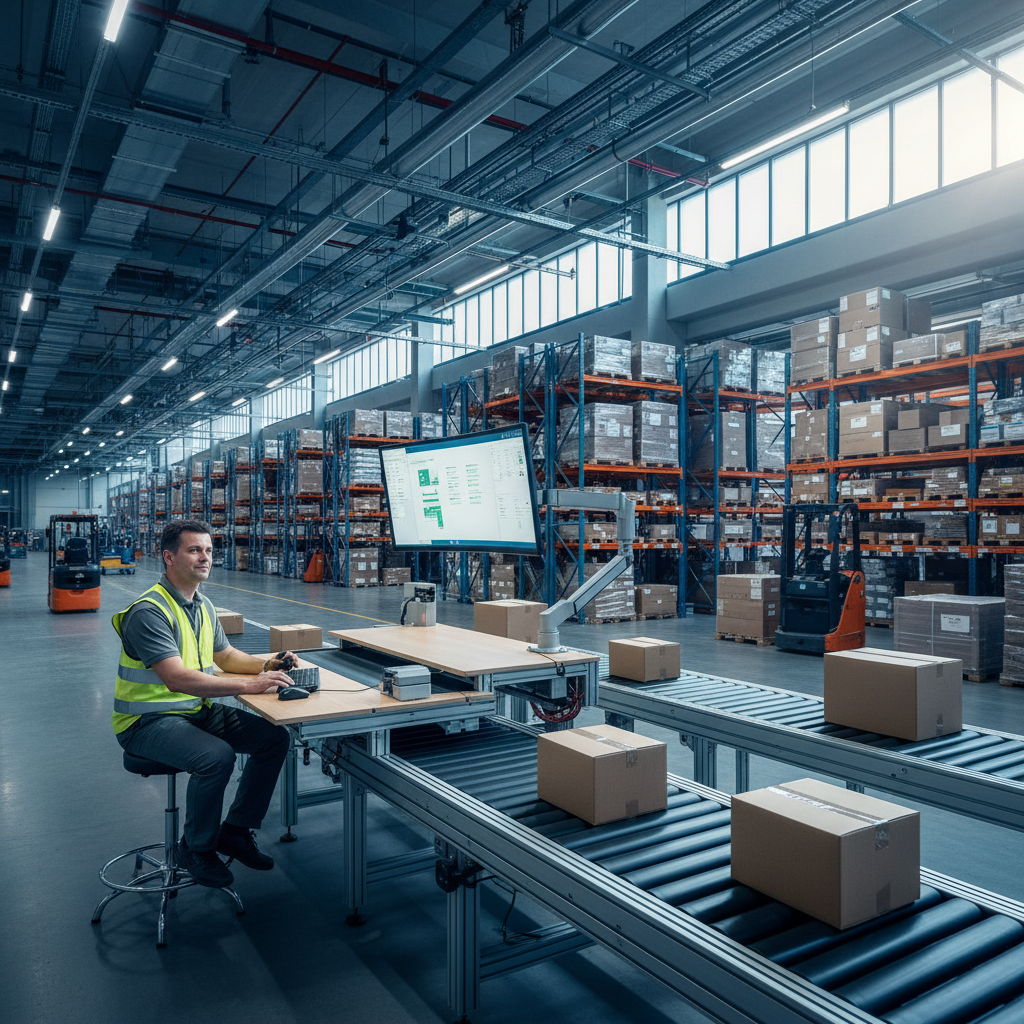 Logistics Optimization
Ergonomie dans la Conception des Systèmes de Convoyeurs : Réduire la Tension des Opérateurs dans les Entrepôts du Benelux
L'optimisation de l'ergonomie des systèmes de convoyeurs est cruciale pour réduire la charge physique des opérateurs d'entrepôt. Cet article explore les principes de conception clés, des hauteurs ajustables aux solutions automatisées, qui améliorent la sécurité et l'efficacité dans le secteur logistique du Benelux.
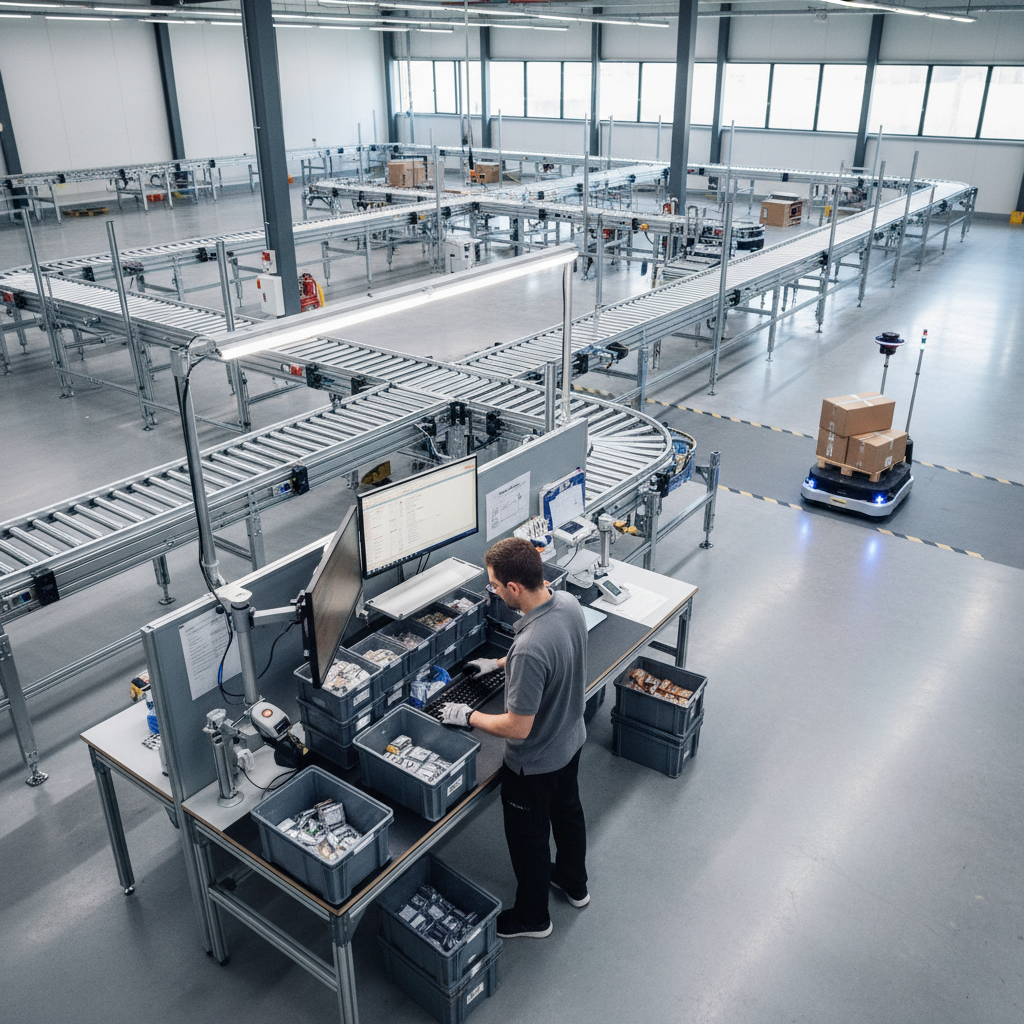 Warehouse Automation
Du manuel à l'automatisé : un guide étape par étape pour les entreprises du Benelux qui opèrent la transition de leur manutention
Ce guide fournit aux responsables logistiques du Benelux un cadre clair, étape par étape, pour passer de la manutention manuelle à la manutention automatisée. Découvrez comment analyser les opérations, définir les objectifs, sélectionner la technologie et assurer une mise en œuvre en douceur pour une efficacité et un retour sur investissement améliorés.
Planning a new conveyor or automation project?
Easy Systems designs and installs internal transport, conveyor and warehouse automation systems across the Benelux. Tell them about your flow — they'll come back with a system that scales.